


An IP65 LED wall washer should be specified as a complete optical, electrical, control and mounting system. Surface geometry, throw, spacing, cable routes, addressing and acceptance conditions determine the installed result.
Translate the Surface Into a Lighting Requirement
Document wall dimensions, material, texture, reflectance, ambient light, viewing direction and camera position before fixing quantity. The decision should be made from the actual application rather than a generic market label. Buyers should define the operating environment, interfaces, constraints and acceptance result before comparing quotations. This prevents a visually similar product from being treated as technically equivalent when its installation, control or service conditions are different.
Two walls with the same width can require different optics and spacing because height, setback, texture and brightness goals differ. The commercial risk is not limited to the initial unit price. Incorrect assumptions can create rework, extra accessories, inconsistent field behavior, warranty disputes and inventory that cannot be used across the intended project. Every claim that affects selection should therefore be tied to the exact model, configuration and documented test condition.
Use a dimensioned elevation, surface sample, site photographs and a written visual objective such as uniform wash or texture grazing. Evidence should be captured in a controlled record that identifies the sample, settings, environment, instruments or observations and the person responsible for approval. Photographs, drawings and measurements are most useful when they are repeatable. Subjective comments may supplement the record, but they should not replace defined pass and fail criteria.
Release a layout only after the supplier and designer agree on the target surface and observation points. Procurement, engineering, installation and service teams should use the same approved baseline. If a component, drawing, firmware, material, optical element, hardware item or packaging method changes, the affected checks should be repeated before the revised product is accepted. This change-control discipline protects repeat orders and reduces uncertainty during troubleshooting.
Select Beam Angle, Throw and Spacing Together
Beam angle, setback, tilt and fixture spacing form one optical decision and must be tested as a group. The decision should be made from the actual application rather than a generic market label. Buyers should define the operating environment, interfaces, constraints and acceptance result before comparing quotations. This prevents a visually similar product from being treated as technically equivalent when its installation, control or service conditions are different.
Narrow beams can produce scallops at short range, while wide beams can lose intensity or spill beyond the target. The commercial risk is not limited to the initial unit price. Incorrect assumptions can create rework, extra accessories, inconsistent field behavior, warranty disputes and inventory that cannot be used across the intended project. Every claim that affects selection should therefore be tied to the exact model, configuration and documented test condition.
Build a one- or two-fixture mock-up and record exposure-controlled photographs and measurements at repeatable grid points. Evidence should be captured in a controlled record that identifies the sample, settings, environment, instruments or observations and the person responsible for approval. Photographs, drawings and measurements are most useful when they are repeatable. Subjective comments may supplement the record, but they should not replace defined pass and fail criteria.
Calculate final quantity from the approved geometry instead of watts per meter or a generic catalog drawing. Procurement, engineering, installation and service teams should use the same approved baseline. If a component, drawing, firmware, material, optical element, hardware item or packaging method changes, the affected checks should be repeated before the revised product is accepted. This change-control discipline protects repeat orders and reduces uncertainty during troubleshooting.
Verify Color Mixing and Control Modes
RGBW output depends on emitter arrangement, optics, calibration, dimming and the exact channel mode selected for the project. The decision should be made from the actual application rather than a generic market label. Buyers should define the operating environment, interfaces, constraints and acceptance result before comparing quotations. This prevents a visually similar product from being treated as technically equivalent when its installation, control or service conditions are different.
Color separation, uneven whites, poor low-level fades or an incorrect console profile can undermine an otherwise suitable fixture. The commercial risk is not limited to the initial unit price. Incorrect assumptions can create rework, extra accessories, inconsistent field behavior, warranty disputes and inventory that cannot be used across the intended project. Every claim that affects selection should therefore be tied to the exact model, configuration and documented test condition.
Test single colors, mixed colors, white balance, dimming, transitions and reset behavior on the intended surface. Evidence should be captured in a controlled record that identifies the sample, settings, environment, instruments or observations and the person responsible for approval. Photographs, drawings and measurements are most useful when they are repeatable. Subjective comments may supplement the record, but they should not replace defined pass and fail criteria.
Record fixture model, operating mode, channel map and profile revision with the show file. Procurement, engineering, installation and service teams should use the same approved baseline. If a component, drawing, firmware, material, optical element, hardware item or packaging method changes, the affected checks should be repeated before the revised product is accepted. This change-control discipline protects repeat orders and reduces uncertainty during troubleshooting.
| Decision field | Required evidence | Release point |
|---|---|---|
| Surface geometry | Elevation and measured setback | Mock-up geometry approved |
| Beam and spacing | Grid photos or measurements | Uniformity accepted |
| Control mode | Verified channel map and profile | Test cue passes |
| Outdoor setup | Connector and enclosure inspection | No unresolved exposure issue |
Use the Verified Colorful Light Product
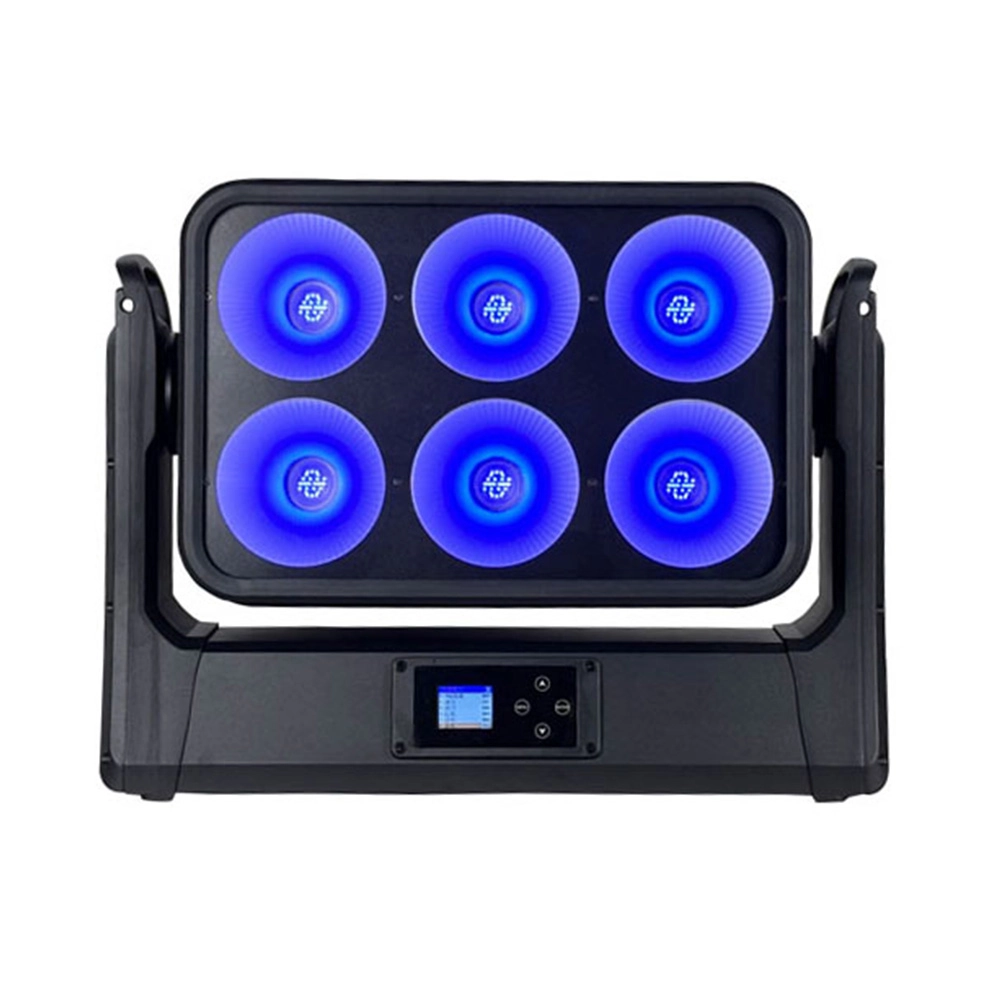
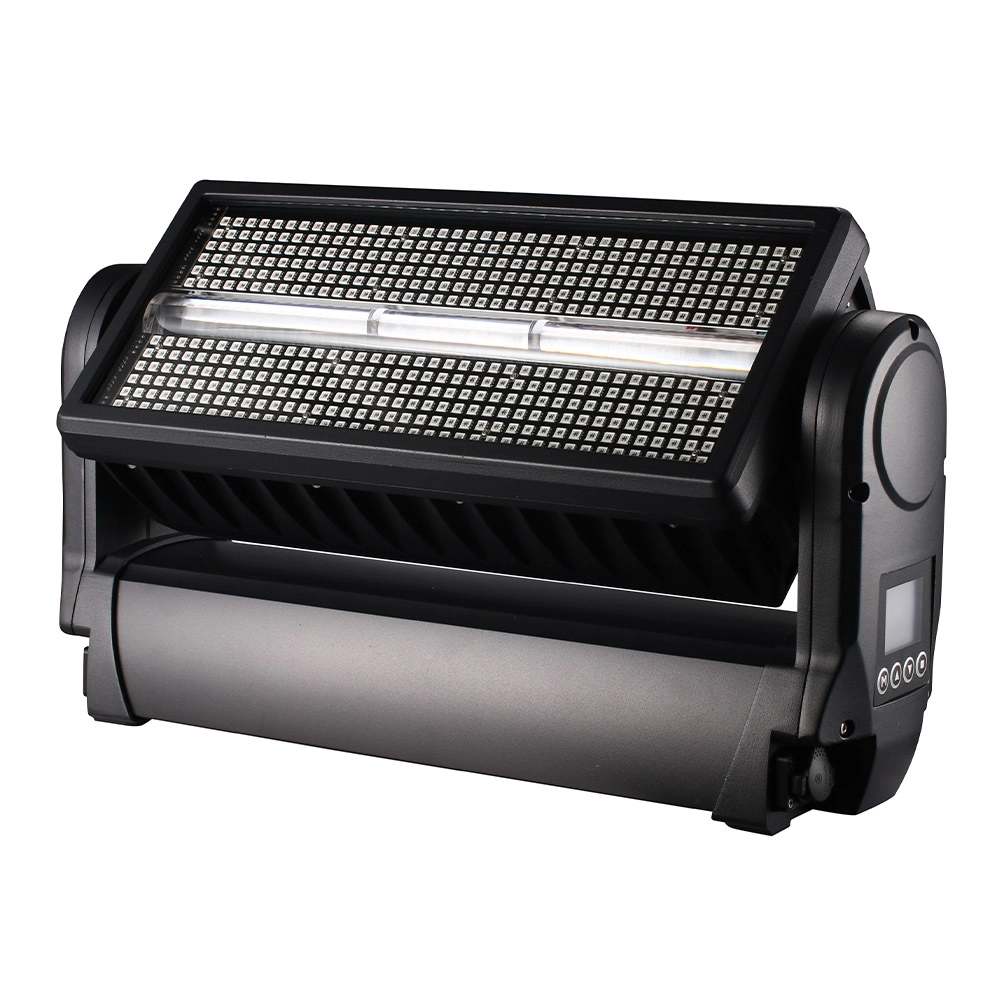
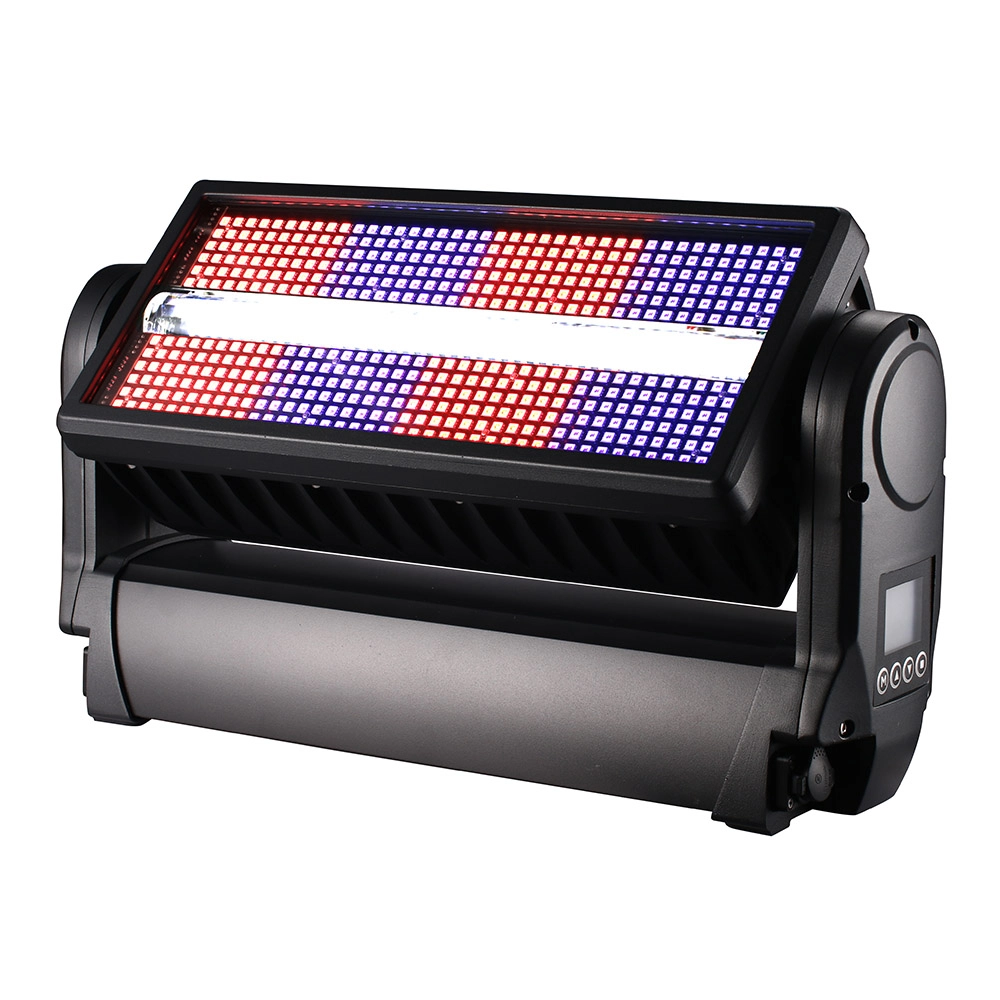
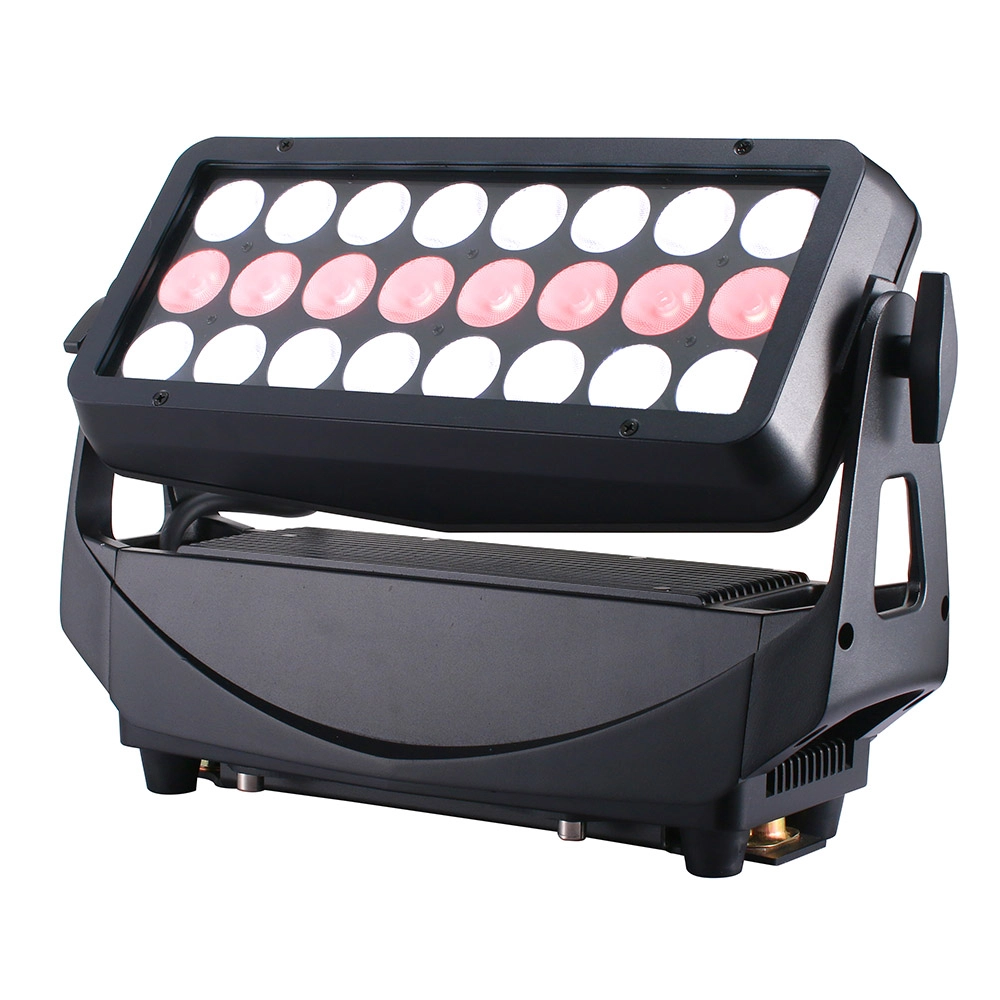
The current catalog includes an IP65 RGBW moving-head wall washer that can be used for project-specific mock-ups. The decision should be made from the actual application rather than a generic market label. Buyers should define the operating environment, interfaces, constraints and acceptance result before comparing quotations. This prevents a visually similar product from being treated as technically equivalent when its installation, control or service conditions are different.
The product name alone does not verify optics, channel behavior, installation orientation or accessories for every application. The commercial risk is not limited to the initial unit price. Incorrect assumptions can create rework, extra accessories, inconsistent field behavior, warranty disputes and inventory that cannot be used across the intended project. Every claim that affects selection should therefore be tied to the exact model, configuration and documented test condition.
Use the real product page, current documentation and a physical sample for the quoted configuration. Evidence should be captured in a controlled record that identifies the sample, settings, environment, instruments or observations and the person responsible for approval. Photographs, drawings and measurements are most useful when they are repeatable. Subjective comments may supplement the record, but they should not replace defined pass and fail criteria.
Keep the approved sample, settings and layout as the production baseline. Procurement, engineering, installation and service teams should use the same approved baseline. If a component, drawing, firmware, material, optical element, hardware item or packaging method changes, the affected checks should be repeated before the revised product is accepted. This change-control discipline protects repeat orders and reduces uncertainty during troubleshooting.
Plan Power Distribution and Cable Routes
Circuit loading, cable length, connectors, distribution points and data routes should be mapped before installation. The decision should be made from the actual application rather than a generic market label. Buyers should define the operating environment, interfaces, constraints and acceptance result before comparing quotations. This prevents a visually similar product from being treated as technically equivalent when its installation, control or service conditions are different.
Assumed daisy-chain limits, wet connector locations or unprotected crossings can create interruptions and unsafe site conditions. The commercial risk is not limited to the initial unit price. Incorrect assumptions can create rework, extra accessories, inconsistent field behavior, warranty disputes and inventory that cannot be used across the intended project. Every claim that affects selection should therefore be tied to the exact model, configuration and documented test condition.
Prepare a circuit schedule and route plan using verified input data and applicable local electrical requirements. Evidence should be captured in a controlled record that identifies the sample, settings, environment, instruments or observations and the person responsible for approval. Photographs, drawings and measurements are most useful when they are repeatable. Subjective comments may supplement the record, but they should not replace defined pass and fail criteria.
Inspect cables and connectors before energizing and after transport or weather events. Procurement, engineering, installation and service teams should use the same approved baseline. If a component, drawing, firmware, material, optical element, hardware item or packaging method changes, the affected checks should be repeated before the revised product is accepted. This change-control discipline protects repeat orders and reduces uncertainty during troubleshooting.
Interpret IP65 Within Its Tested Scope
IP65 is an enclosure protection classification under defined conditions and does not mean immersion or unlimited weather exposure. The decision should be made from the actual application rather than a generic market label. Buyers should define the operating environment, interfaces, constraints and acceptance result before comparing quotations. This prevents a visually similar product from being treated as technically equivalent when its installation, control or service conditions are different.
Damaged seals, incorrect orientation, open connectors or blocked drainage can invalidate assumptions made from the rating. The commercial risk is not limited to the initial unit price. Incorrect assumptions can create rework, extra accessories, inconsistent field behavior, warranty disputes and inventory that cannot be used across the intended project. Every claim that affects selection should therefore be tied to the exact model, configuration and documented test condition.
Inspect lenses, seals, fasteners, cable entries and covers and compare them with the current manufacturer instruction. Evidence should be captured in a controlled record that identifies the sample, settings, environment, instruments or observations and the person responsible for approval. Photographs, drawings and measurements are most useful when they are repeatable. Subjective comments may supplement the record, but they should not replace defined pass and fail criteria.
Quarantine equipment showing cracks, moisture, corrosion or unauthorized repairs until evaluated. Procurement, engineering, installation and service teams should use the same approved baseline. If a component, drawing, firmware, material, optical element, hardware item or packaging method changes, the affected checks should be repeated before the revised product is accepted. This change-control discipline protects repeat orders and reduces uncertainty during troubleshooting.
Coordinate Mounting, Aiming and Safety
Brackets, base stability, safety attachment, clearance and protection from audience or equipment traffic must suit the real location. The decision should be made from the actual application rather than a generic market label. Buyers should define the operating environment, interfaces, constraints and acceptance result before comparing quotations. This prevents a visually similar product from being treated as technically equivalent when its installation, control or service conditions are different.
Forced aiming, unstable placement or cables used as restraints can damage fixtures and create inconsistent coverage. The commercial risk is not limited to the initial unit price. Incorrect assumptions can create rework, extra accessories, inconsistent field behavior, warranty disputes and inventory that cannot be used across the intended project. Every claim that affects selection should therefore be tied to the exact model, configuration and documented test condition.
Record mounting hardware, aiming references, restraint method and final illuminated-surface check. Evidence should be captured in a controlled record that identifies the sample, settings, environment, instruments or observations and the person responsible for approval. Photographs, drawings and measurements are most useful when they are repeatable. Subjective comments may supplement the record, but they should not replace defined pass and fail criteria.
Include local rigging, electrical and venue procedures in the installation package. Procurement, engineering, installation and service teams should use the same approved baseline. If a component, drawing, firmware, material, optical element, hardware item or packaging method changes, the affected checks should be repeated before the revised product is accepted. This change-control discipline protects repeat orders and reduces uncertainty during troubleshooting.
Build Factory and Site Acceptance Tests
Receiving and commissioning should confirm model, labels, housings, connectors, control response, colors, dimming and the approved test cue. The decision should be made from the actual application rather than a generic market label. Buyers should define the operating environment, interfaces, constraints and acceptance result before comparing quotations. This prevents a visually similar product from being treated as technically equivalent when its installation, control or service conditions are different.
A shipment can be technically powered yet still contain mismatched modes, revisions, optics or visible output differences. The commercial risk is not limited to the initial unit price. Incorrect assumptions can create rework, extra accessories, inconsistent field behavior, warranty disputes and inventory that cannot be used across the intended project. Every claim that affects selection should therefore be tied to the exact model, configuration and documented test condition.
Use a sampling plan, standard console file, photographs and a final layout record from audience and camera positions. Evidence should be captured in a controlled record that identifies the sample, settings, environment, instruments or observations and the person responsible for approval. Photographs, drawings and measurements are most useful when they are repeatable. Subjective comments may supplement the record, but they should not replace defined pass and fail criteria.
Store patch, mode, firmware information where supplied, circuit assignment and exception records with the project. Procurement, engineering, installation and service teams should use the same approved baseline. If a component, drawing, firmware, material, optical element, hardware item or packaging method changes, the affected checks should be repeated before the revised product is accepted. This change-control discipline protects repeat orders and reduces uncertainty during troubleshooting.
| Control record | Minimum content | Release gate |
|---|---|---|
| Surface brief | Dimensions, material, setback and viewing | Before optical recommendation |
| Control package | Mode, channel map and console profile | Before show programming |
| Outdoor setup | Power, data, mounting and exposure plan | Before installation |
| Final acceptance | Test cue, layout and photographs | Before handover |
RFQ and Final Approval
Provide surface dimensions and finish, setback, mounting position, visual target, control system, supply and cable plan, outdoor exposure, packaging, destination and acceptance method.
- Dimensioned surface and viewing positions
- Required beam coverage and mock-up geometry
- Control mode, addressing and console profile
- Power, data, mounting and weather-exposure plan
- Packing, spares, delivery and commissioning responsibilities
The final purchase order should reference the approved product, revision, drawings, samples, test record, labels and packaging. Open technical fields should remain on a deviation list until closed by the responsible party. A commercial quotation alone is not a complete technical specification, and a previous order should not be used as evidence when the current configuration or application has changed.








Facebook
Instagram
LinkedIn
YouTube
Tik Tok