


Professional LED Follow Spot Lights: Selection for Theaters and Live Events
- Quick Answer
- Key Takeaways
- Convert venue geometry into a selection brief
- Define the performer-coverage task
- Evaluate beam control as an operator workflow
- Use wattage as one input, not the decision
- Respect the IP54 product boundary
- Confirm the exact ordered feature set
- Verified Product References
- 1200W IP54 LED Follow Spot Light
- Design the operator position
- Plan transport, setup and strike
- Create an acceptance test
- Issue a venue-specific RFQ
- Final RFQ and Handover Checklist
- Discuss Your Project with Colorful Light
- Professional LED Follow Spot FAQs
Quick Answer
Define the operator position, target area, expected throw, performer movement and venue exposure before evaluating a professional LED follow spot. Colorful Light currently lists a 1200W IP54 LED Follow Spot Light with iris adjustment, focusing, dimming and strobe functions; the product title also identifies gobo as optional. Those listed features still need to be checked against the exact order configuration, venue geometry and acceptance plan.
Key Takeaways
- Start from the project application and operating workflow.
- Use current product evidence and identify optional or unverified items.
- Approve representative samples before volume release.
- Keep a controlled specification, test record and change log.
Convert venue geometry into a selection brief
Map the operator and target positions instead of starting with wattage. In a professional follow-spot package, this decision should be made before price comparison because it changes the product configuration, supporting accessories and the work expected from the supplier. The project team should collect throw distance, elevation, sightlines, target size and movement area. Put these inputs in one controlled brief, name the person responsible for each item and mark anything that remains unknown. That discipline gives engineering, purchasing, installation and operations the same basis for discussion instead of allowing each team to work from a different assumption.
Verification should produce scaled plan, section and marked operator position. Review the result against the proposed production version, not a generic family description, marketing image or earlier sample. Record the model, configuration, date, reviewer and any deviation so a later order can be traced back to the approval decision. The main failure to avoid is using a generic maximum-distance claim. If the available evidence does not answer the project question, keep the item open, request clarification or run a representative test; do not convert an uncertainty into a product claim.
- Input: throw distance, elevation, sightlines, target size and movement area
- Evidence: scaled plan, section and marked operator position
- Release gate: update the approved venue follow-spot specification before purchase or deployment.
Define the performer-coverage task
State whether the light follows one performer, groups or entrances. In a professional follow-spot package, this decision should be made before price comparison because it changes the product configuration, supporting accessories and the work expected from the supplier. The project team should collect show cues, stage zones, costume reflectance and camera presence. Put these inputs in one controlled brief, name the person responsible for each item and mark anything that remains unknown. That discipline gives engineering, purchasing, installation and operations the same basis for discussion instead of allowing each team to work from a different assumption.
Verification should produce cue review and representative rehearsal test. Review the result against the proposed production version, not a generic family description, marketing image or earlier sample. Record the model, configuration, date, reviewer and any deviation so a later order can be traced back to the approval decision. The main failure to avoid is treating every event as the same tracking task. If the available evidence does not answer the project question, keep the item open, request clarification or run a representative test; do not convert an uncertainty into a product claim.
- Input: show cues, stage zones, costume reflectance and camera presence
- Evidence: cue review and representative rehearsal test
- Release gate: update the approved venue follow-spot specification before purchase or deployment.
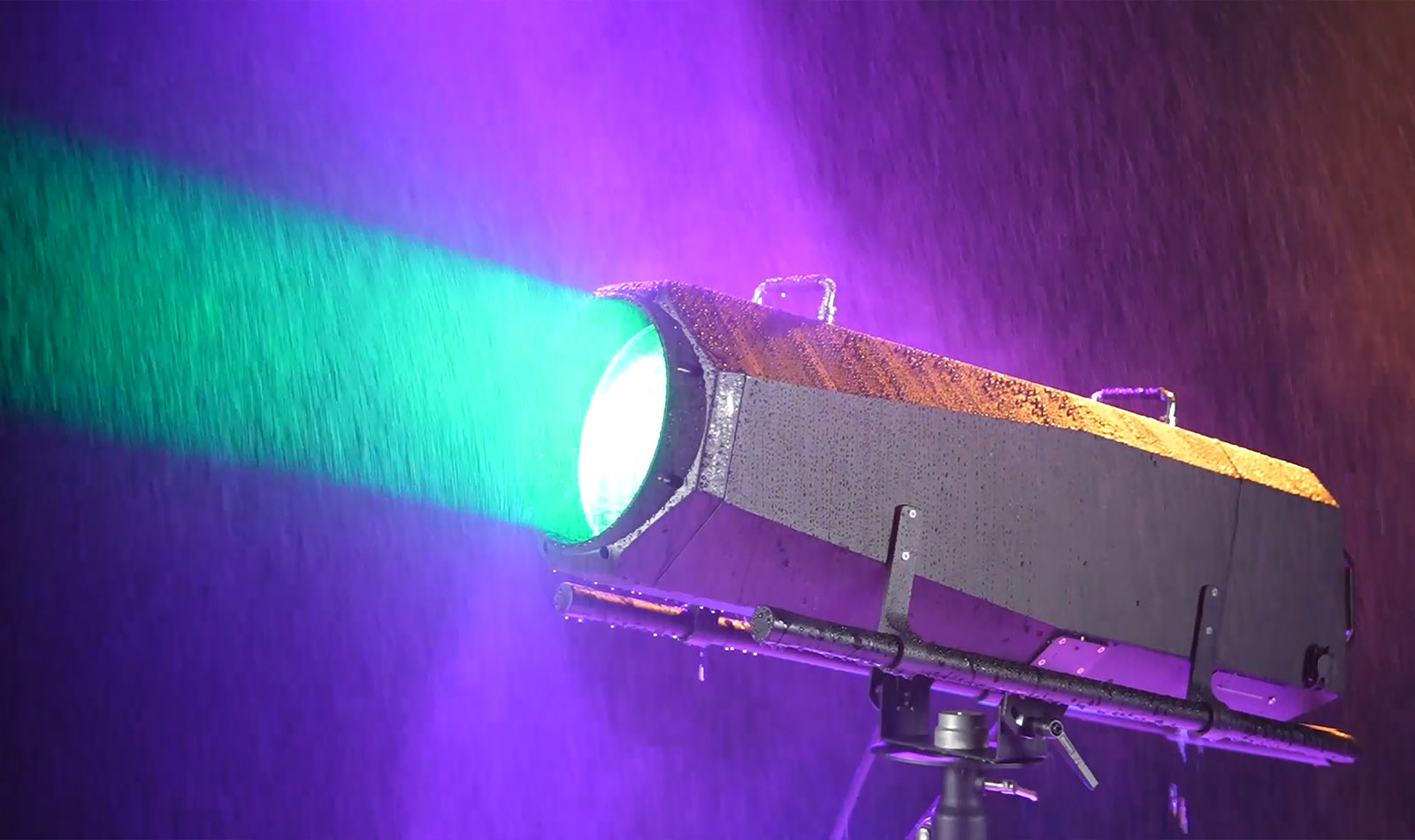
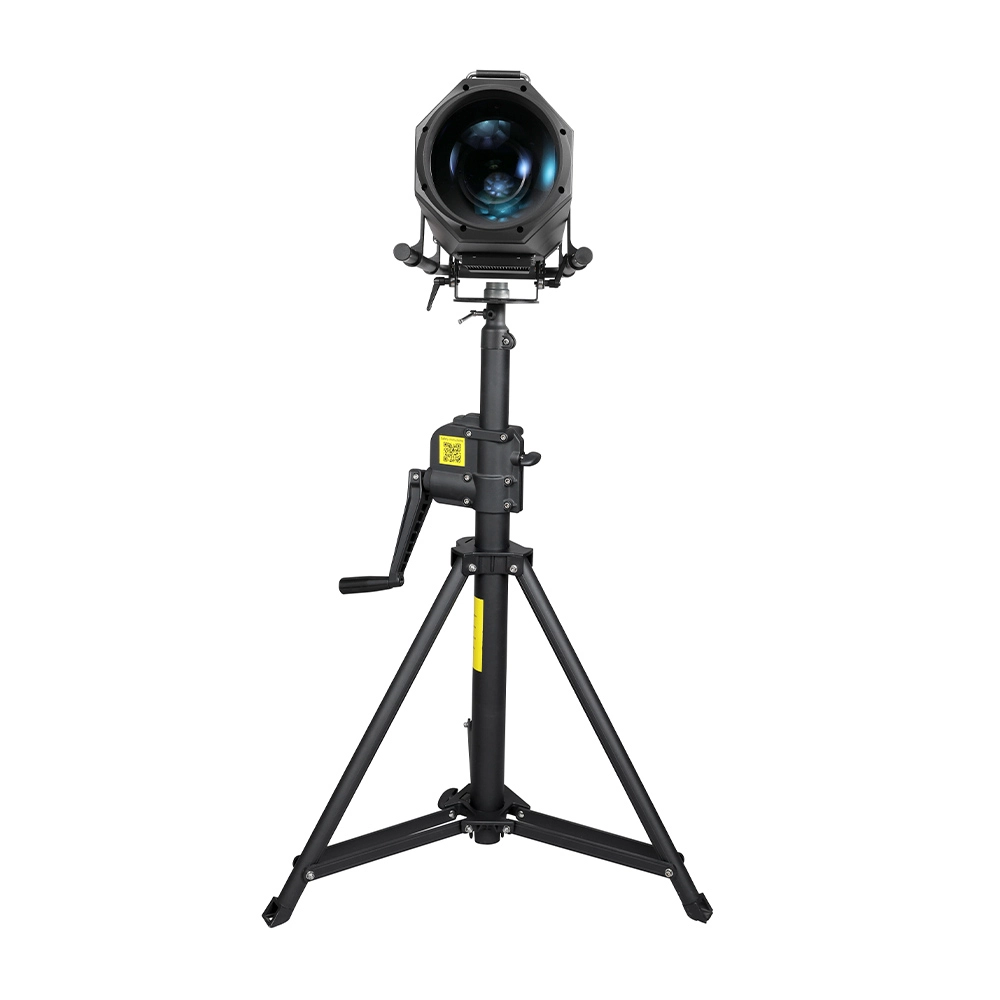
1200W IP54 LED follow spot fixture and tripod
Evaluate beam control as an operator workflow
Connect iris, focus, dimming and strobe needs to real cues. In a professional follow-spot package, this decision should be made before price comparison because it changes the product configuration, supporting accessories and the work expected from the supplier. The project team should collect required adjustments, transition speed and operator reach. Put these inputs in one controlled brief, name the person responsible for each item and mark anything that remains unknown. That discipline gives engineering, purchasing, installation and operations the same basis for discussion instead of allowing each team to work from a different assumption.
Verification should produce hands-on operator trial with cue sequence. Review the result against the proposed production version, not a generic family description, marketing image or earlier sample. Record the model, configuration, date, reviewer and any deviation so a later order can be traced back to the approval decision. The main failure to avoid is checking controls only while the fixture is idle. If the available evidence does not answer the project question, keep the item open, request clarification or run a representative test; do not convert an uncertainty into a product claim.
- Input: required adjustments, transition speed and operator reach
- Evidence: hands-on operator trial with cue sequence
- Release gate: update the approved venue follow-spot specification before purchase or deployment.
Use wattage as one input, not the decision
Judge usable beam and control at the actual throw. In a professional follow-spot package, this decision should be made before price comparison because it changes the product configuration, supporting accessories and the work expected from the supplier. The project team should collect ambient light, haze, surface reflectance and exposure settings. Put these inputs in one controlled brief, name the person responsible for each item and mark anything that remains unknown. That discipline gives engineering, purchasing, installation and operations the same basis for discussion instead of allowing each team to work from a different assumption.
Verification should produce venue mock-up or controlled distance test. Review the result against the proposed production version, not a generic family description, marketing image or earlier sample. Record the model, configuration, date, reviewer and any deviation so a later order can be traced back to the approval decision. The main failure to avoid is assuming the 1200W label alone proves visibility. If the available evidence does not answer the project question, keep the item open, request clarification or run a representative test; do not convert an uncertainty into a product claim.
- Input: ambient light, haze, surface reflectance and exposure settings
- Evidence: venue mock-up or controlled distance test
- Release gate: update the approved venue follow-spot specification before purchase or deployment.
Respect the IP54 product boundary
Separate limited ingress protection from unrestricted weather exposure. In a professional follow-spot package, this decision should be made before price comparison because it changes the product configuration, supporting accessories and the work expected from the supplier. The project team should collect operator shelter, rain direction, storage and connector protection. Put these inputs in one controlled brief, name the person responsible for each item and mark anything that remains unknown. That discipline gives engineering, purchasing, installation and operations the same basis for discussion instead of allowing each team to work from a different assumption.
Verification should produce documented installation method and weather contingency. Review the result against the proposed production version, not a generic family description, marketing image or earlier sample. Record the model, configuration, date, reviewer and any deviation so a later order can be traced back to the approval decision. The main failure to avoid is describing IP54 as fully waterproof. If the available evidence does not answer the project question, keep the item open, request clarification or run a representative test; do not convert an uncertainty into a product claim.
- Input: operator shelter, rain direction, storage and connector protection
- Evidence: documented installation method and weather contingency
- Release gate: update the approved venue follow-spot specification before purchase or deployment.
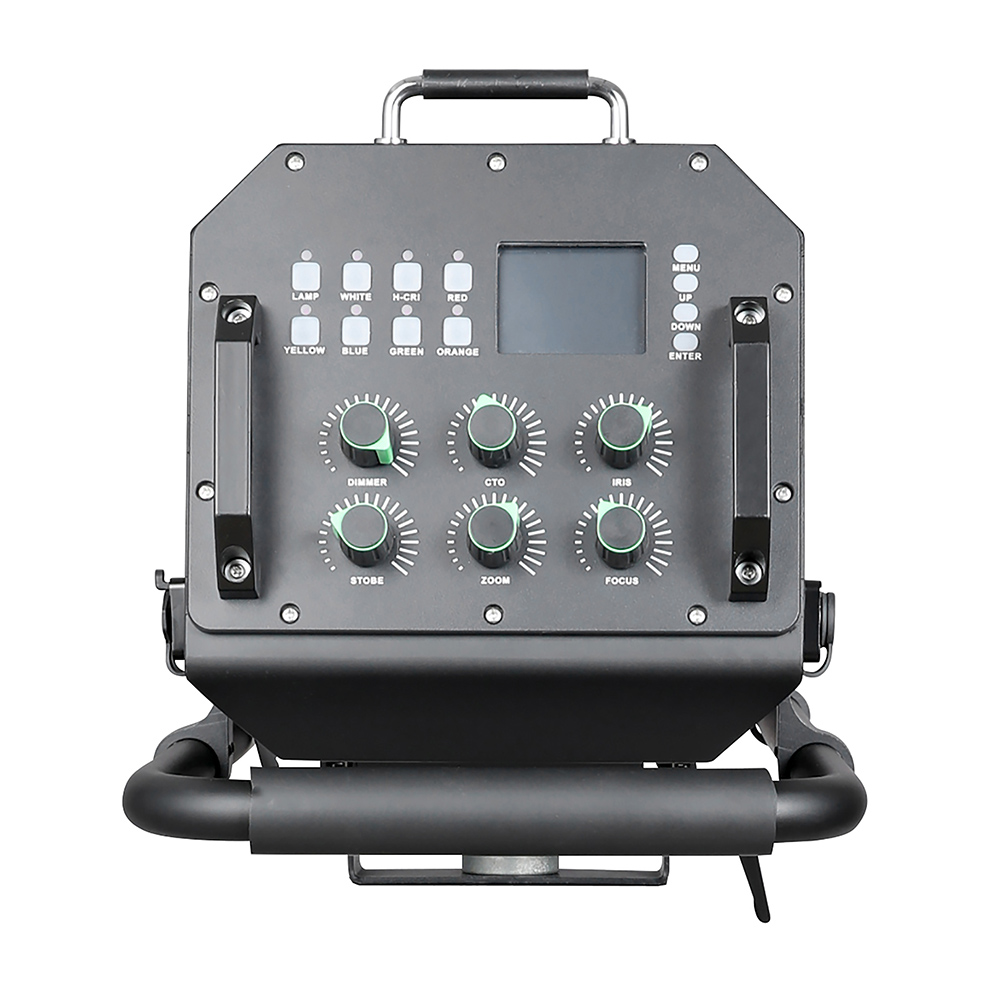
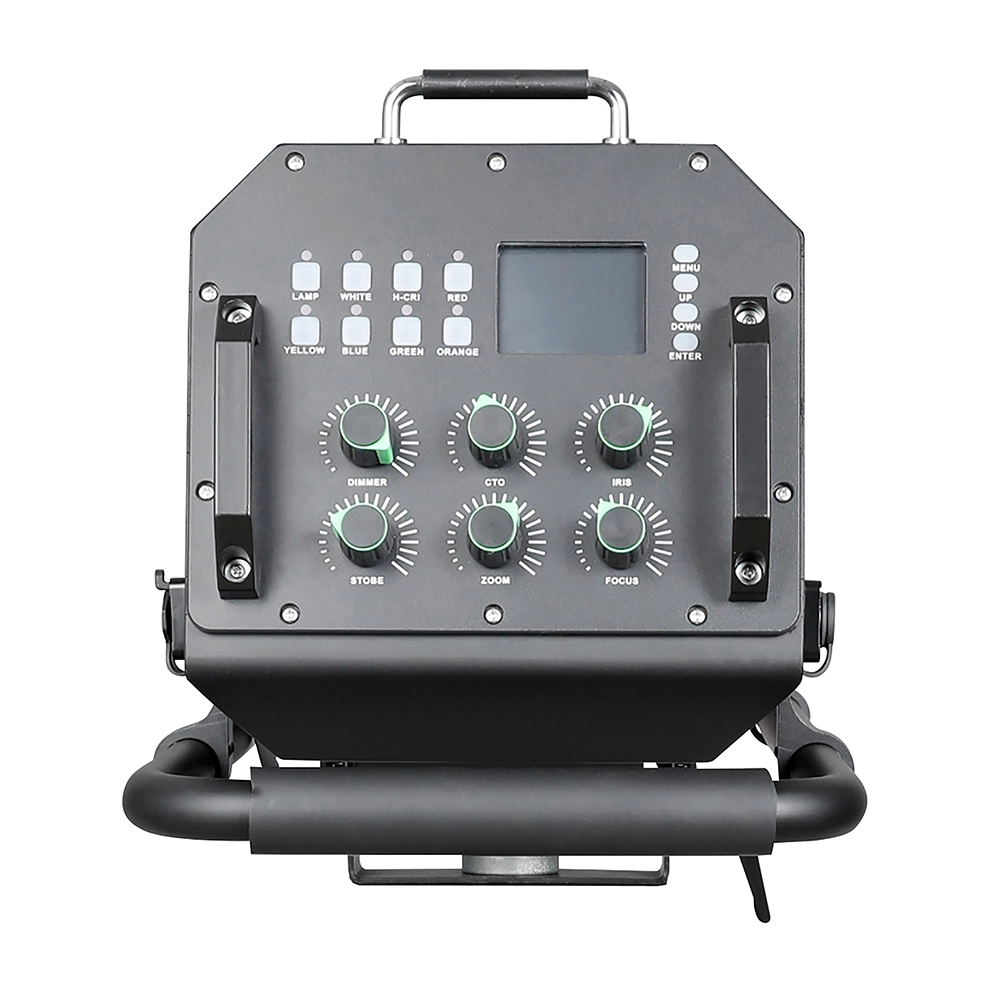
LED follow spot operator control panel detail
Confirm the exact ordered feature set
Distinguish standard functions from optional items such as gobo. In a professional follow-spot package, this decision should be made before price comparison because it changes the product configuration, supporting accessories and the work expected from the supplier. The project team should collect quotation, configuration code, accessory list and approved sample. Put these inputs in one controlled brief, name the person responsible for each item and mark anything that remains unknown. That discipline gives engineering, purchasing, installation and operations the same basis for discussion instead of allowing each team to work from a different assumption.
Verification should produce signed configuration sheet and physical inspection. Review the result against the proposed production version, not a generic family description, marketing image or earlier sample. Record the model, configuration, date, reviewer and any deviation so a later order can be traced back to the approval decision. The main failure to avoid is publishing optional features as universal. If the available evidence does not answer the project question, keep the item open, request clarification or run a representative test; do not convert an uncertainty into a product claim.
- Input: quotation, configuration code, accessory list and approved sample
- Evidence: signed configuration sheet and physical inspection
- Release gate: update the approved venue follow-spot specification before purchase or deployment.
Verified Product References
For the currently listed product category, see Colorful Light LED Follow Spot Lights. The category currently links to the 1200W IP54 model; verify any additional model or optional configuration with the supplier before specifying it.
The following product cards use current product URLs and images from Colorful Light. They are reference candidates for the project workflow; the final order still requires configuration-specific confirmation.

1200W IP54 LED Follow Spot Light
Open the verified product page to review the current description, images and available configuration information before using this model in an RFQ.
Design the operator position
Provide stable support, visibility, communication and safe access. In a professional follow-spot package, this decision should be made before price comparison because it changes the product configuration, supporting accessories and the work expected from the supplier. The project team should collect tripod footprint, barrier, headset, power route and fatigue factors. Put these inputs in one controlled brief, name the person responsible for each item and mark anything that remains unknown. That discipline gives engineering, purchasing, installation and operations the same basis for discussion instead of allowing each team to work from a different assumption.
Verification should produce site walk and full-duration rehearsal. Review the result against the proposed production version, not a generic family description, marketing image or earlier sample. Record the model, configuration, date, reviewer and any deviation so a later order can be traced back to the approval decision. The main failure to avoid is placing equipment where audience traffic conflicts. If the available evidence does not answer the project question, keep the item open, request clarification or run a representative test; do not convert an uncertainty into a product claim.
- Input: tripod footprint, barrier, headset, power route and fatigue factors
- Evidence: site walk and full-duration rehearsal
- Release gate: update the approved venue follow-spot specification before purchase or deployment.
Plan transport, setup and strike
Treat the fixture, stand and accessories as a touring system. In a professional follow-spot package, this decision should be made before price comparison because it changes the product configuration, supporting accessories and the work expected from the supplier. The project team should collect case dimensions, handling route, setup time and packing checklist. Put these inputs in one controlled brief, name the person responsible for each item and mark anything that remains unknown. That discipline gives engineering, purchasing, installation and operations the same basis for discussion instead of allowing each team to work from a different assumption.
Verification should produce load-in trial and serialized inventory. Review the result against the proposed production version, not a generic family description, marketing image or earlier sample. Record the model, configuration, date, reviewer and any deviation so a later order can be traced back to the approval decision. The main failure to avoid is protecting the lamp but not the control or support items. If the available evidence does not answer the project question, keep the item open, request clarification or run a representative test; do not convert an uncertainty into a product claim.
- Input: case dimensions, handling route, setup time and packing checklist
- Evidence: load-in trial and serialized inventory
- Release gate: update the approved venue follow-spot specification before purchase or deployment.
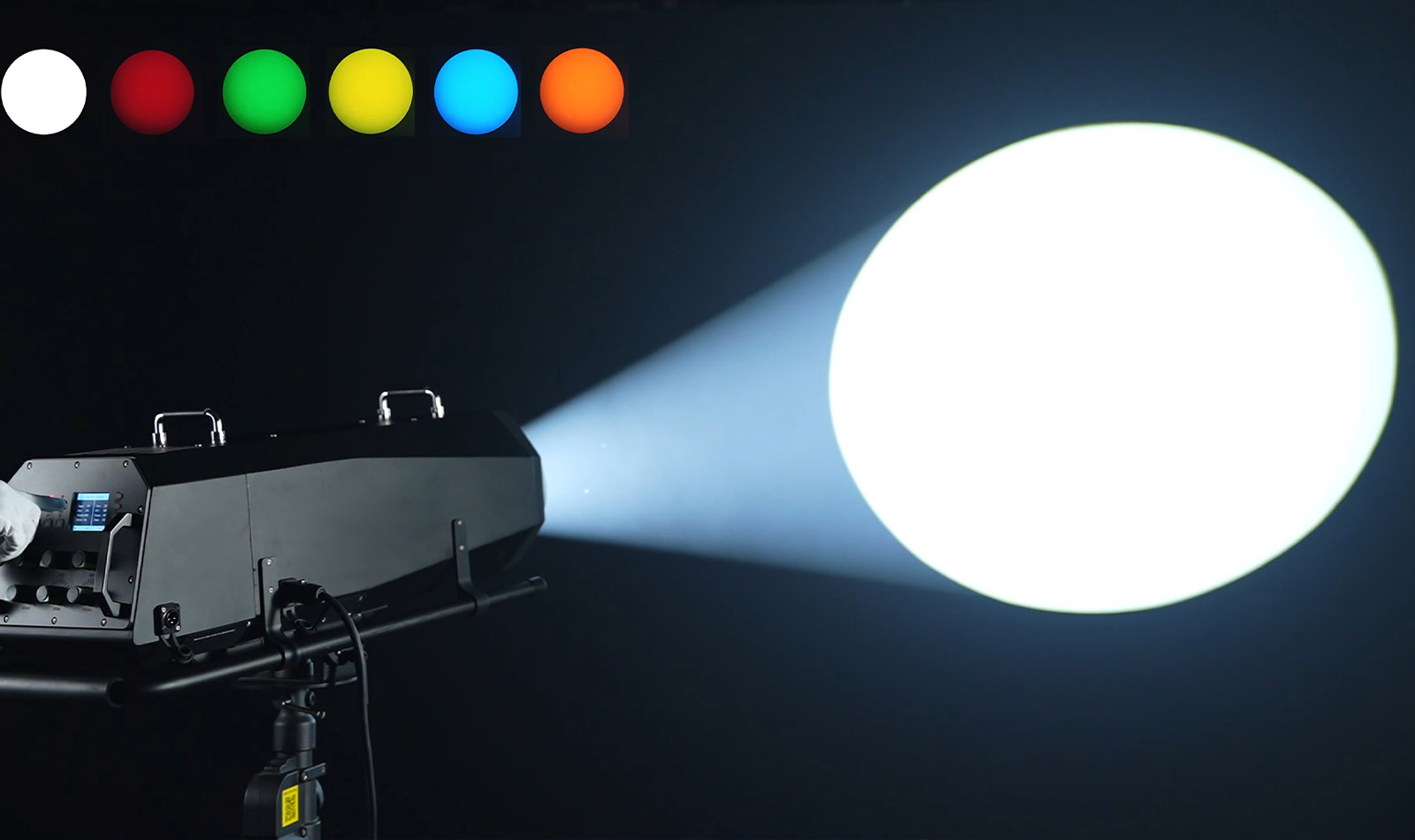
Professional LED follow spot side view for venue planning
Create an acceptance test
Measure the functions that matter to the show and buyer. In a professional follow-spot package, this decision should be made before price comparison because it changes the product configuration, supporting accessories and the work expected from the supplier. The project team should collect focus travel, iris, dimming, strobe, stability and operator ergonomics. Put these inputs in one controlled brief, name the person responsible for each item and mark anything that remains unknown. That discipline gives engineering, purchasing, installation and operations the same basis for discussion instead of allowing each team to work from a different assumption.
Verification should produce recorded checklist at representative throw. Review the result against the proposed production version, not a generic family description, marketing image or earlier sample. Record the model, configuration, date, reviewer and any deviation so a later order can be traced back to the approval decision. The main failure to avoid is accepting only a power-on demonstration. If the available evidence does not answer the project question, keep the item open, request clarification or run a representative test; do not convert an uncertainty into a product claim.
- Input: focus travel, iris, dimming, strobe, stability and operator ergonomics
- Evidence: recorded checklist at representative throw
- Release gate: update the approved venue follow-spot specification before purchase or deployment.
Issue a venue-specific RFQ
Give suppliers the geometry and scope needed for a defensible response. In a professional follow-spot package, this decision should be made before price comparison because it changes the product configuration, supporting accessories and the work expected from the supplier. The project team should collect plans, distances, exposure, accessories, quantity and service needs. Put these inputs in one controlled brief, name the person responsible for each item and mark anything that remains unknown. That discipline gives engineering, purchasing, installation and operations the same basis for discussion instead of allowing each team to work from a different assumption.
Verification should produce compliance response, sample plan and deviation list. Review the result against the proposed production version, not a generic family description, marketing image or earlier sample. Record the model, configuration, date, reviewer and any deviation so a later order can be traced back to the approval decision. The main failure to avoid is requesting the best follow spot without project data. If the available evidence does not answer the project question, keep the item open, request clarification or run a representative test; do not convert an uncertainty into a product claim.
- Input: plans, distances, exposure, accessories, quantity and service needs
- Evidence: compliance response, sample plan and deviation list
- Release gate: update the approved venue follow-spot specification before purchase or deployment.
Final RFQ and Handover Checklist
| Control | Required record |
|---|---|
| Application | Site, use case, quantities and operating conditions |
| Configuration | Exact model, options, accessories and exclusions |
| Evidence | Drawings, datasheets, sample results and deviations |
| Release | Approved version, change owner and receiving criteria |
Discuss Your Project with Colorful Light
Share the application, quantities, drawings or site information available for your project. The next step is to compare those requirements with a current product configuration and agree on the evidence needed for sample approval and production release.
Professional LED Follow Spot FAQs
Is wattage alone enough to select an LED follow spot?
No. Selection should also consider throw distance, target size, ambient light, beam angle, optical quality, dimming behavior, color requirements, camera use, operator position, and the venue's power and environmental conditions.
What does an IP54 rating mean for a follow spot?
IP54 indicates limited protection against dust and water splashes under defined test conditions. It does not mean the fixture can be exposed to unrestricted rain or severe weather. Installation, connectors, ventilation, and operating procedures still need suitable protection.
Is a gobo included as standard on every follow-spot configuration?
Not necessarily. If the product is described with an optional gobo, confirm the exact ordered configuration, gobo size and holder, included accessories, and any optical or control requirements in the quotation and order confirmation.
What venue information should be supplied before quotation?
Provide the operator position, minimum and maximum throw, target zones, required beam size, ambient-light conditions, indoor or outdoor exposure, camera requirements, power supply, control needs, mounting or stand requirements, and accessory list.
How should a follow-spot sample be evaluated?
Test it at a representative throw distance and assess focus, edge quality, iris range, dimming smoothness, color, strobe if required, thermal stability, noise, operator ergonomics, stand stability, and the appearance on camera where applicable.
What should a professional follow-spot RFQ include?
Specify venue type, throw range, target size, fixture quantity, brightness objective, beam and color needs, ingress-protection requirement, power standard, control method, gobo requirement, stand and flight-case needs, compliance documents, delivery date, and sample plan.

◼
Product Recommendations
You May Also Like



◼
Get in Touch
Get Started with Stage Lighting Project
Want to transform your stage or venue with Colorful Light?
Explore our solutions and let us create a memorable lighting experience for your event.
Colorful Light is a professional LED stage lighting manufacturer that provides dynamic and reliable lighting solutions to customers worldwide.
© 2026 Colorful Light. All Rights Reserved.
Facebook
Instagram
LinkedIn
YouTube
Tik Tok