


Audience Blinder Lights: LED Selection & Stage Technical Guide
- What Is an Audience Blinder Light?
- Audience Blinder, Strobe and Wash: Different Lighting Tasks
- Optics: Lens Angle, Throw and Visual Coverage
- LED Packages: COB, SMD and Multi-Cell Formats
- RGBW and RGBALC Color Engines
- DMX512 and RDM: Getting the Programming Right
- Source Wattage Versus Fixture Consumption
- Dimming Curves and Tungsten-Style Effects
- Broadcast Cameras, Flicker and Glare
- IP65 and Environmental Protection
- Two Verified Colorful Light Blinder Models
- What B2B Buyers Should Request Before Ordering
- Conclusion: Match the Blinder to the Show
- Audience Blinder Lighting FAQs
What Is an Audience Blinder Light?
An audience blinder light creates short, intentional illumination that can visually connect a stage with the audience. Unlike a conventional stage wash, its primary job is often to deliver a moment of impact rather than continuous general illumination. LED versions may offer separate colors, dimming curves, strobe functions and more detailed control than basic legacy fixtures. For a professional purchase, the practical question is which effect the venue needs and how the fixture will be controlled safely.
An audience blinder is a functional category rather than one standardized shape or optical configuration. Static fixtures may use a compact body and one or two broad sources, while moving head designs add directional movement and potentially segmented LED effects. This distinction changes mounting, programming and the visual result even when the marketing names sound similar. Buyers should define the intended stage cue before they compare headline wattage or the number of lenses.
Audience Blinder, Strobe and Wash: Different Lighting Tasks
An audience blinder emphasizes a musical or theatrical moment with carefully timed bright output toward audience-visible space. A strobe emphasizes rapidly changing output, while a wash fixture is designed principally for covering performers, scenery or a larger area. A single LED fixture can incorporate more than one behavior, although that does not make all three categories interchangeable. When reviewing a quotation, describe the required effect precisely rather than asking only for a powerful stage light.
Blinder effects are especially sensitive to location, mounting height, audience sightlines and camera settings. The same fixture can look impactful from one position and excessively intrusive from another. Design and programming should consider glare, accessible viewing conditions and potential sensitivity to intense or flashing light. Production teams should apply applicable venue and event safety guidance instead of assuming that every intensity or flash pattern is suitable for every audience.
Optics: Lens Angle, Throw and Visual Coverage
A listed lens angle helps describe how broadly a blinder's output is distributed, but it does not establish illuminance at a specified distance. A wider distribution can affect a larger visible area, while a more concentrated optic produces a different on-camera and in-person impression. Edge falloff, the number of sources, their spacing and the actual output level also influence the final effect. Photometric information or a representative sample test is more useful than comparing nominal angles alone.
The Colorful Light 6×200W RGBW IP65 Moving Head Blinder is currently listed with a 55-degree lens angle and a 200-degree tilt range. This makes position and movement clearance relevant when assessing the lighting effect and safe rigging. Those two values do not prove coverage uniformity or exact intensity at the audience. Ask for optical data and test the fixture at the intended throw distance before approving a large deployment.
LED Packages: COB, SMD and Multi-Cell Formats
Blinder fixtures may be built with COB LED engines, arrays of smaller emitters or mixed arrangements. COB and SMD describe LED packaging methods rather than guaranteed levels of output quality, color accuracy or thermal stability. The lens, diffuser, driver and overall optical design determine how the finished fixture behaves. A qualified comparison should focus on the actual output field and controllable effects, not simply on the component package label.
A multi-cell unit can enable separately addressable color or intensity patterns that add interest to a stage cue. However, greater cell control can also mean additional DMX channels and more involved console patching. Some productions need that flexibility, while others only require a coordinated warm-looking flash across several units. Choose the control granularity that will actually be used rather than specifying the largest channel mode by default.
RGBW and RGBALC Color Engines
RGBW lighting mixes red, green, blue and white components to build a range of colors and white-light looks. The manufacturer-designated RGBALC configuration in another blinder product uses a different collection of emitters. The presence of more color channels does not automatically prove superior color rendering, spectral quality or consistency between fixtures. When accurate costume colors or camera-visible skin tones matter, request measured data and test the actual equipment.
A blinder can be programmed for saturated accents, neutral-looking flashes or warmer visual transitions depending on its available source and control design. Some LED systems attempt tungsten-style dimming behavior, but that feature must be confirmed for each model. Different fixtures can exhibit visibly different white points and fade characteristics at low output. A sample comparison using the intended console and camera equipment is more informative than relying on a generic color-engine description.
DMX512 and RDM: Getting the Programming Right
DMX512 sends control values according to a fixture-specific channel map, and RDM can support compatible device identification or configuration functions. The number of channels does not establish how good a fixture is; it reflects how many parameters are available in the selected personality. A larger channel mode can provide detailed effects, while a shorter mode may be easier to patch when many lights share a rig. The console library must match the supplied model and firmware revision before show programming begins.
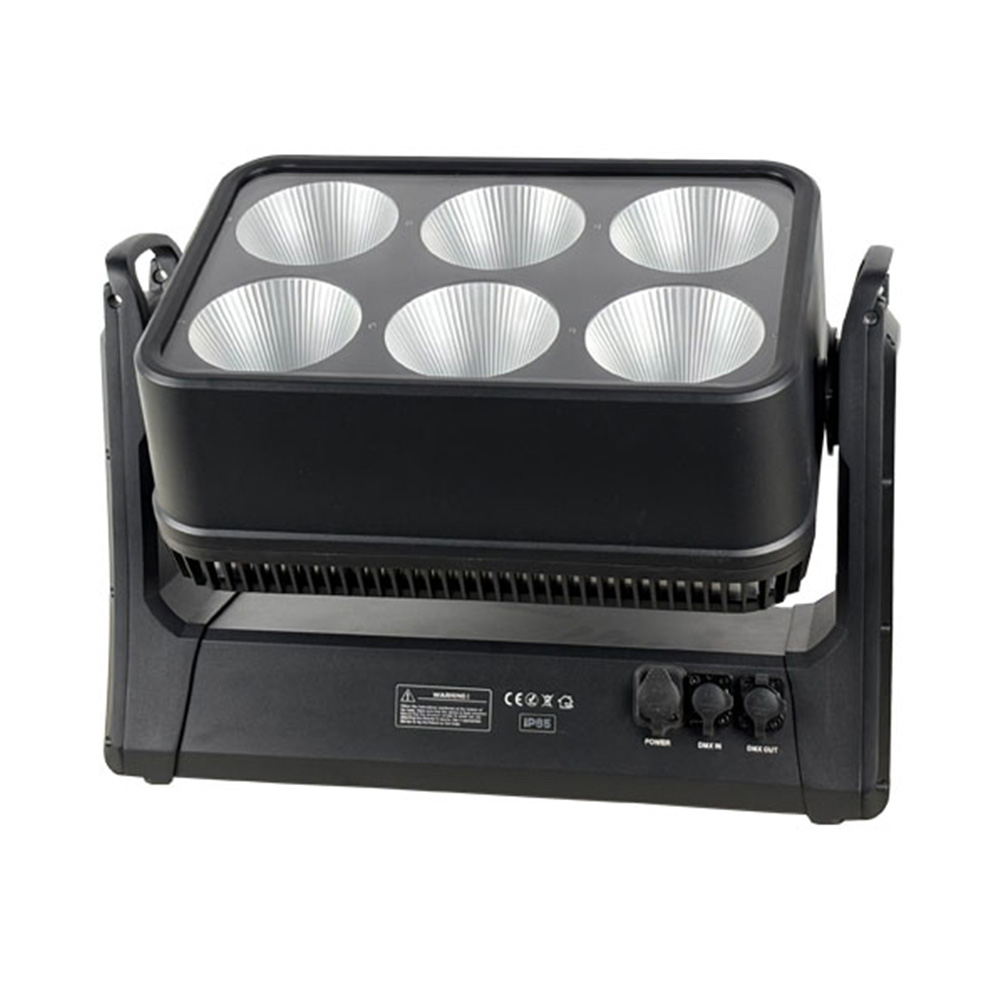
The current backend for the Colorful Light 6×200W Moving Head Blinder lists 21CH, 25CH and 49CH modes together with DMX512 and RDM. The fixture also provides tilt movement, so patch testing should include movement clearance as well as intensity and color. These channel counts apply to that product and should not be copied to another blinder in the catalog. Request the current user manual and conduct a sample patch test with the real control system.
Source Wattage Versus Fixture Consumption
Marketing wattage can refer to an LED light-engine arrangement rather than the actual electrical demand at the power input. Drivers, cooling systems, electronics and movement mechanisms can contribute to whole-fixture consumption. For this reason, the sum of emitter ratings should not automatically be used for circuit or generator sizing. The correct electrical plan should rely on the supplied unit's complete technical data and qualified power-distribution design.
The 6×200W RGBW Moving Head Blinder lists six nominal 200W LED sources, 1200W power consumption and a separate 1500W power rating. The Colorful Light 600W RGBALC IP65 Blinder Par Can is marketed with a 600W LED arrangement, while its detailed specification lists 400W maximum power input. These are different types of figures and should be preserved as distinct values in a purchasing comparison. Ask the supplier to confirm the relevant power draw, input range and connector requirements for the exact model being ordered.
Dimming Curves and Tungsten-Style Effects
Traditional tungsten lamps change appearance as their output changes, and some production designers want to preserve that look in an LED system. LED fixtures may offer different dimming curves or color-emulation functions, depending on the actual hardware and firmware. A logarithmic, linear or other curve should not be declared universally best for every effect. The most useful test is a fade through the lighting levels and colors needed by the real production.
Low-end dimming is where uneven fades and differences between fixtures can be especially noticeable. Compare the response of several units using the same console values and show timings. Do not assume that a high nominal bit depth automatically guarantees a smooth fade with every color mix. Record the successfully tested personality, dimming settings and fixture revision in the production file.
Broadcast Cameras, Flicker and Glare
Video cameras can reveal banding or flicker that the audience does not notice in person. LED driving behavior, dimming settings, color mix and the camera's frame rate or shutter can all affect the result. A single published PWM number cannot guarantee flicker-free output under every shooting configuration. Sample recording at realistic brightness levels should be part of approval for broadcast, streaming and event photography.
The safety and comfort of people in the venue matter independently of camera performance. Blinder cues can involve intense directed light or rapid changes, which should be considered under venue safety practices and relevant accessibility expectations. Use the shortest effective cue and avoid avoidable direct glare or prolonged exposure where the design permits. The lighting operator and safety team should review the programmed effect rather than relying solely on an equipment seller's demonstration.
IP65 and Environmental Protection
IP65 describes dust-tight protection and a defined water-jet test when it applies to the entire assembled fixture. That classification does not establish suitability for immersion, all storm conditions or unrestricted cleaning with high-pressure equipment. The installed system also depends on the condition and compatibility of cables, connectors, seals and mounting accessories. For outdoor productions, request model-specific documentation and follow the manufacturer's operating limits.
Colorful Light currently lists both its 6×200W RGBW Moving Head Blinder and its 600W RGBALC Blinder Par Can as IP65 products. That does not mean every blinder or every moving head in the product catalog has the same ingress protection. Indoor installations may require a different environmental specification, while still needing correct electrical and rigging practices. Buyers should distinguish the protection of the exact fixture from the rating of an individual connector or accessory.
Two Verified Colorful Light Blinder Models
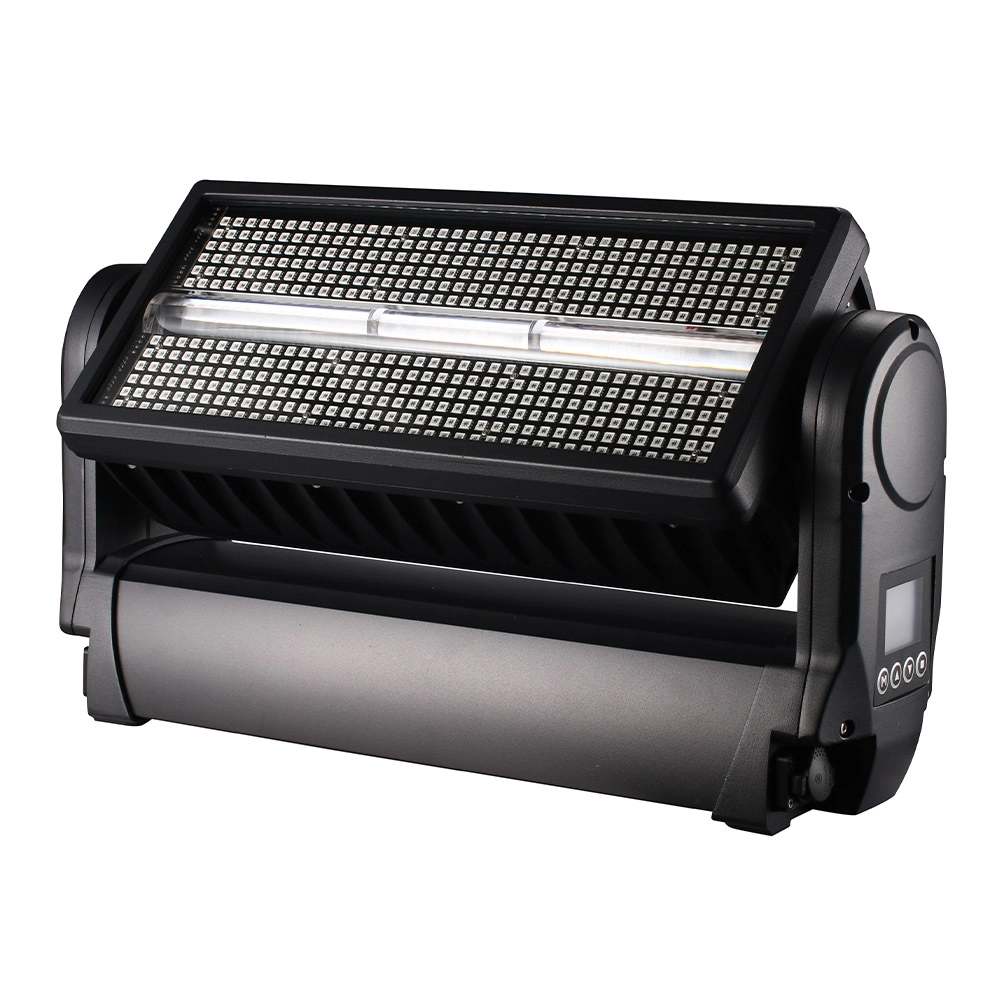
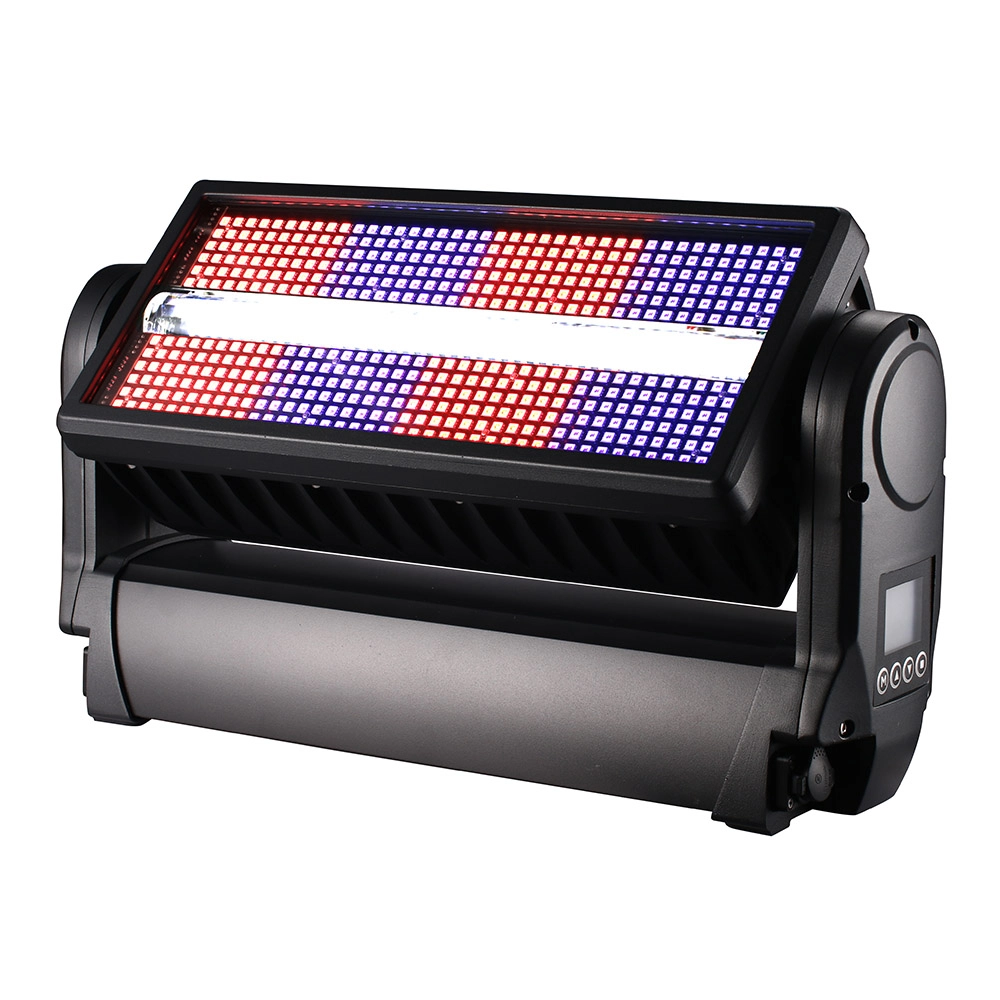
The 6×200W RGBW IP65 Moving Head Blinder offers a moving format with six COB LED sources and a listed 200-degree tilt range. Its specifications also identify a 55-degree lens angle, DMX512/RDM control and 21/25/49-channel personalities. This makes movement clearance and detailed control relevant when comparing the model with a static fixture. However, exact beam intensity and field uniformity require additional measured output data.
The 600W RGBALC IP65 Blinder Par Can offers a more compact static blinder format with the color-engine configuration identified in its product record. The technical table lists DMX512/RDM, optional 55-degree lens optics and a maximum input-power figure of 400W. These details support a technical comparison of format, controls and installation demands, but do not prove that one model produces greater audience impact. Request matching product manuals and test samples at the same distance if the final visual effect is the deciding factor.
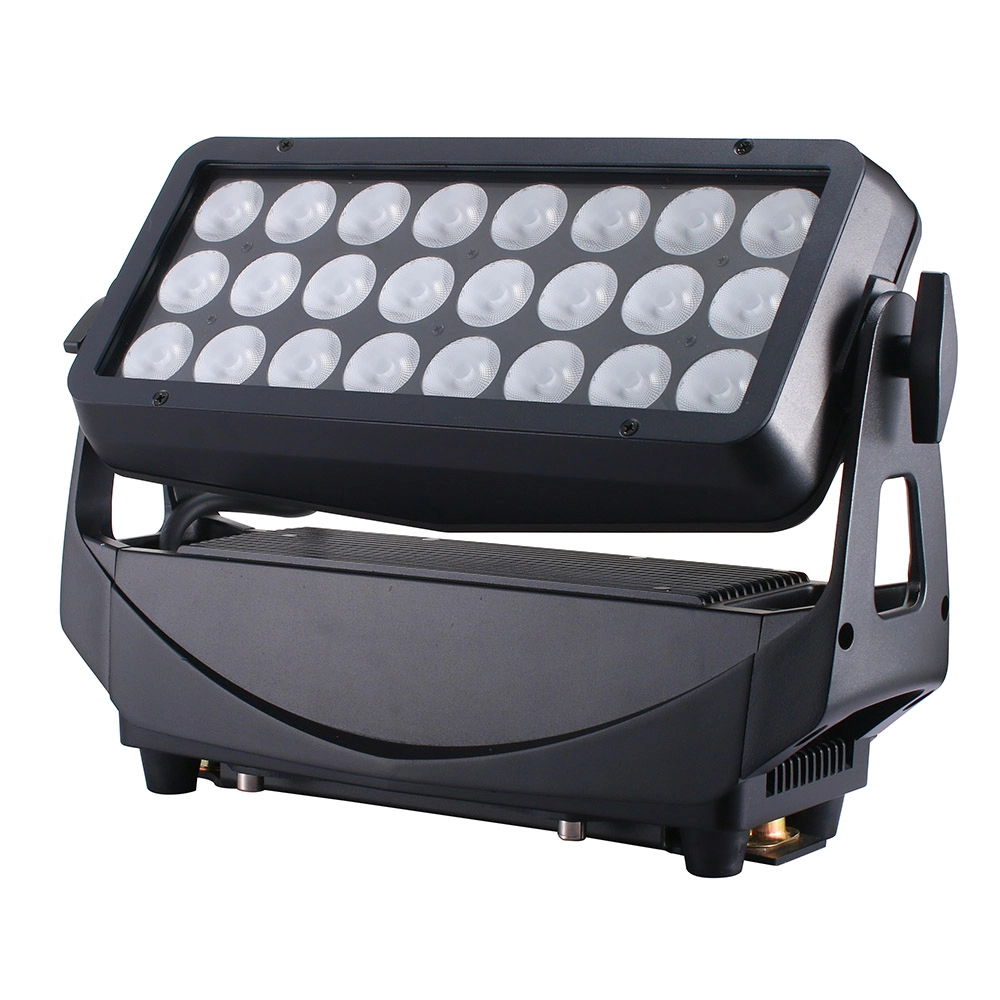
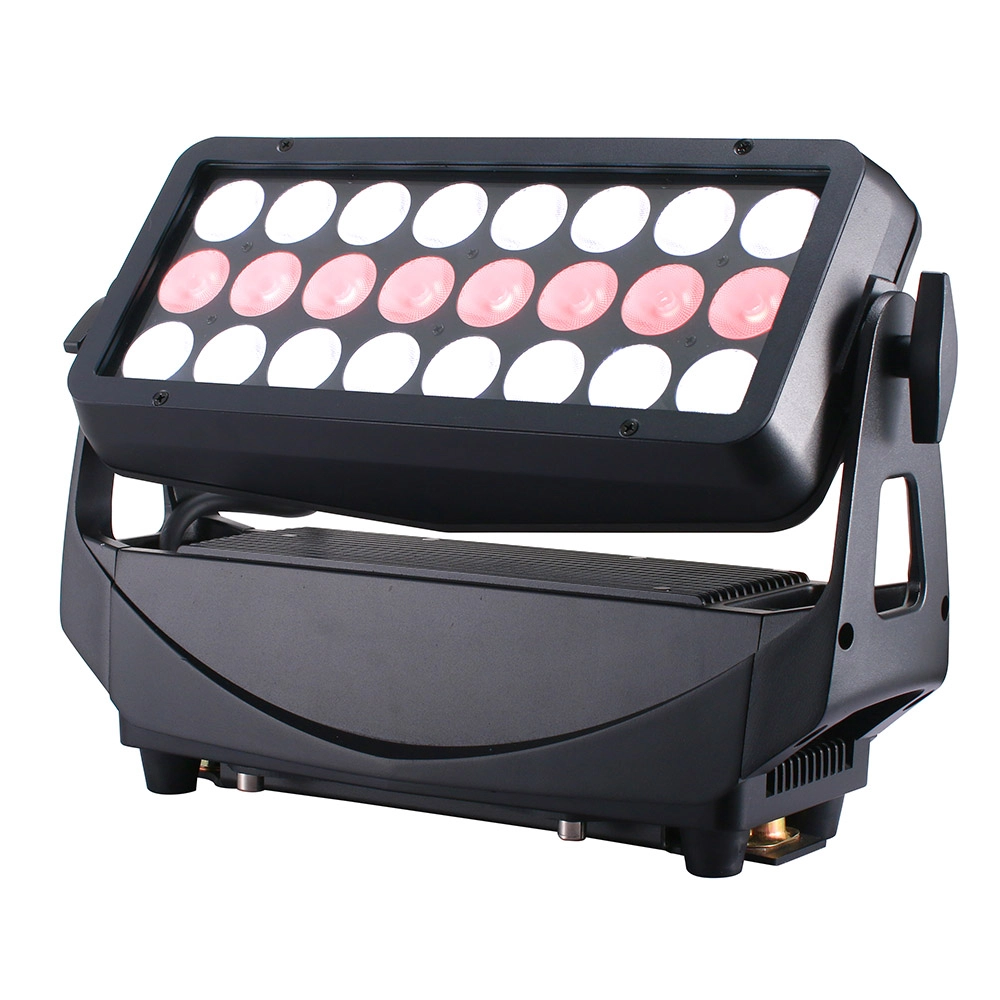
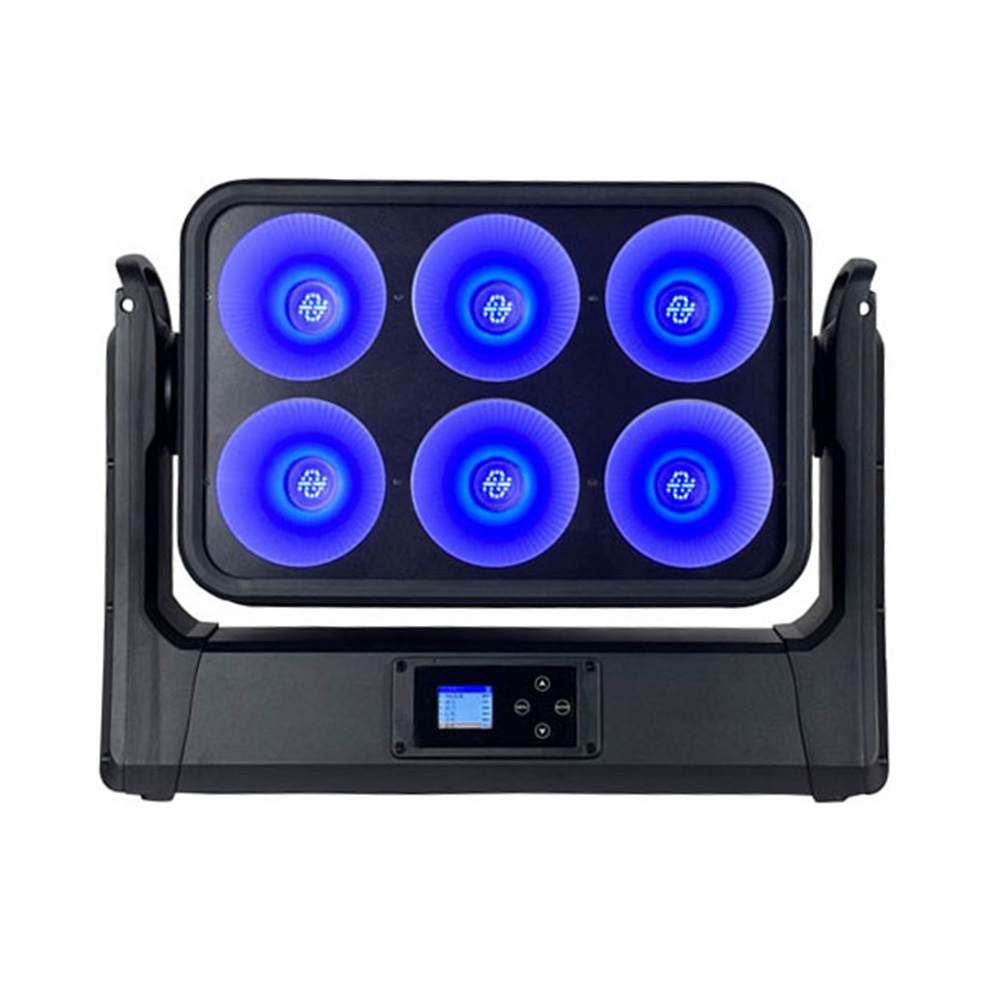 6×200W RGBW IP65 Moving Head Blinder
Moving blinder with six RGBW COB sources. It provides 200-degree tilt for flexible direction. DMX512/RDM control includes 21, 25 and 49 channel modes. The current technical table distinguishes consumption from rated power.
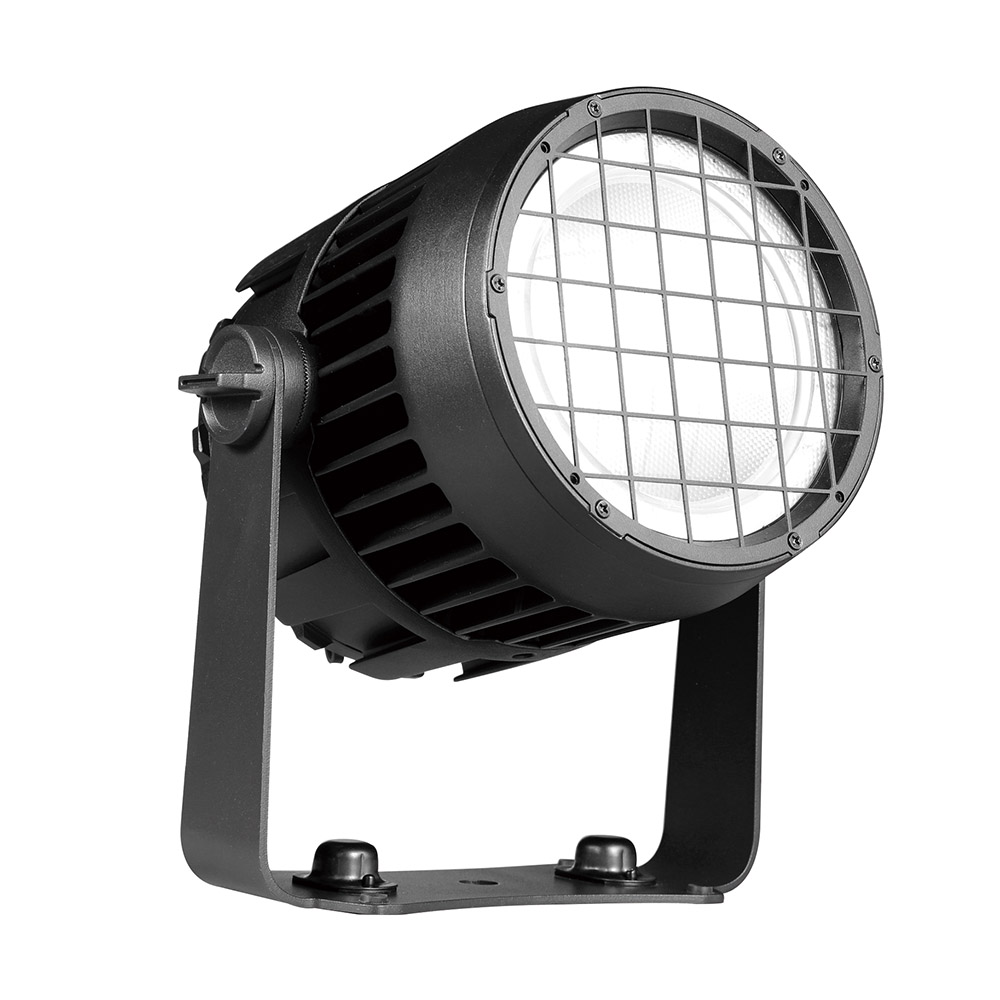 600W RGBALC IP65 Blinder Par Can
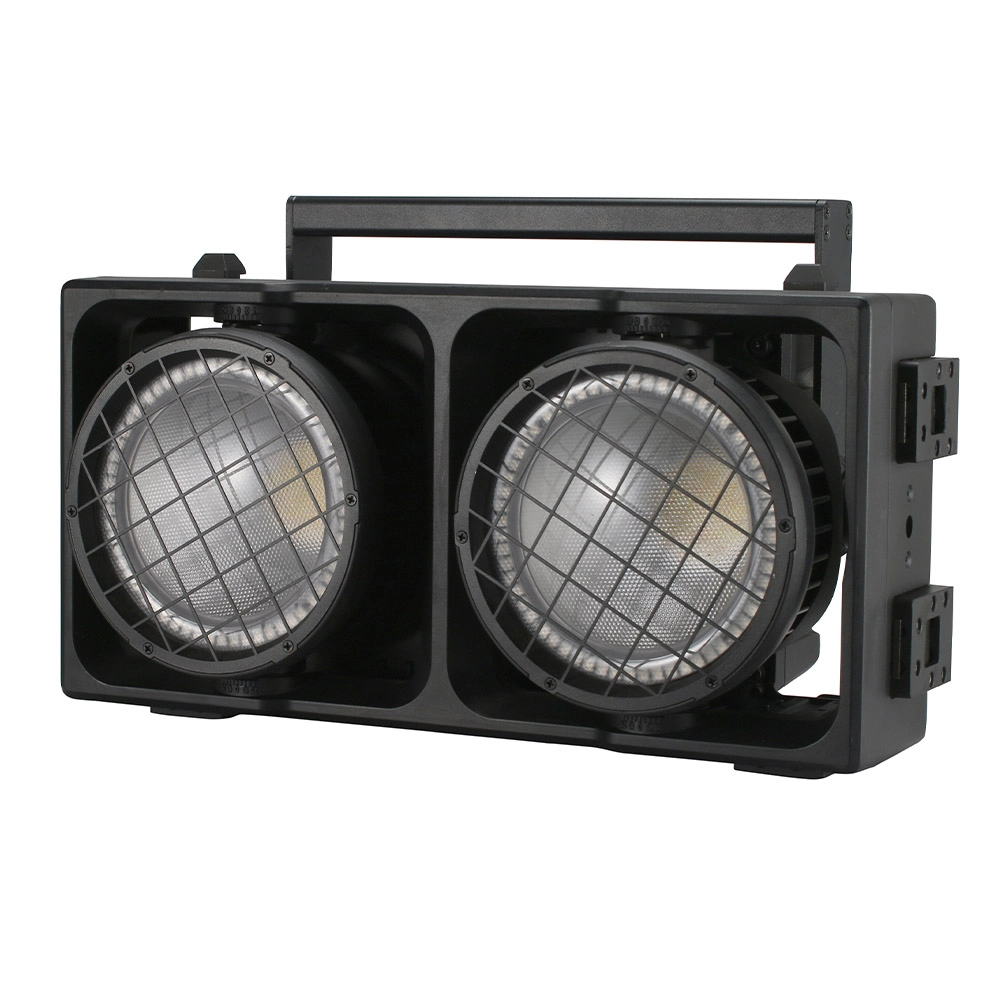
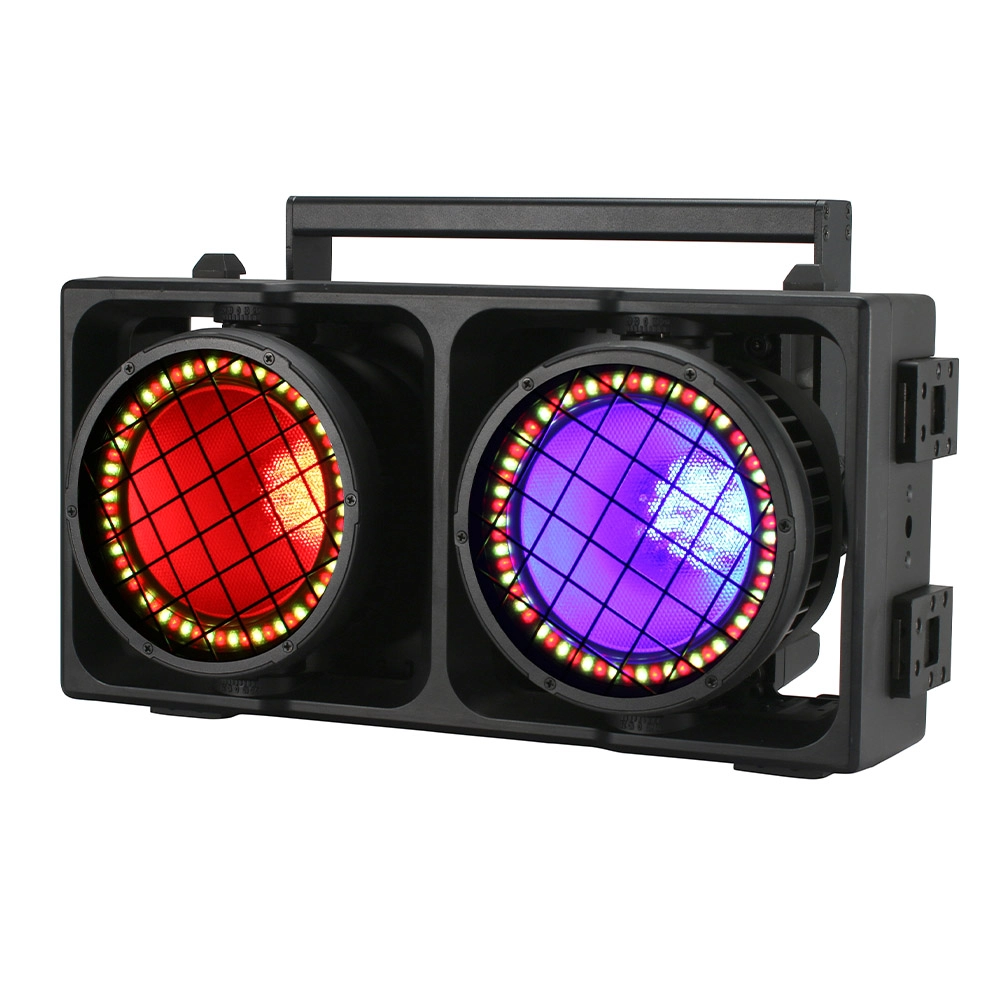
A compact stage blinder for static placement. The technical table lists DMX512/RDM control. Its 600W marketing configuration is not the same as the 400W maximum input power entry. Request verified lens and output information for the intended use.
What B2B Buyers Should Request Before Ordering
A useful quotation request identifies venue dimensions, mounting positions, expected use, whether the unit is static or moving, the planned quantity and the control protocol. Include camera requirements, desired dimming behavior, output colors and environmental exposure. Describe the purpose of the blinder effect clearly enough for the supplier to distinguish it from a wash or strobe requirement. A consistent technical brief allows several fixture options to be assessed on the same basis.
Ask for the current manual, channel chart, photometric data when available, whole-fixture power figures, rigging instructions and applicable IP documentation. Confirm whether clamps, safety hardware, flight cases, special lenses or wireless control are standard or optional. Lead time, warranty and service terms should be agreed for the specific order rather than inferred from a generic website claim. Keep the supplier-approved model revision and test settings in the final equipment record.
Conclusion: Match the Blinder to the Show
Audience blinder lights should be chosen for their visual effect, control behavior, venue environment and the practical constraints of the production. COB source counts, headline wattages and large DMX modes are not substitutes for measured output and a verified electrical plan. The two Colorful Light products above show how static and moving blinder formats meet different production needs. For more context, compare LED and legacy sources in the LED Blinder Comparison or review the Concert and Theater Blinder Design Guide.
Audience Blinder Lighting FAQs
What is an audience blinder light used for?
An audience blinder is used for short, deliberate high-output stage accents directed toward audience-visible areas. It is not simply a replacement for continuous stage wash illumination. Output, sightlines, timing and event safety considerations determine how the effect should be used.
Do COB LEDs automatically make a better blinder?
No. COB identifies an emitter packaging approach, while the full optics, driving system and thermal design determine the finished fixture's performance. Compare actual output, dimming behavior and sample results rather than assuming COB is always better.
Which dimming curve is best for a tungsten-like LED blinder?
The appropriate curve depends on the model and desired cue. Some lights offer tungsten-style color or dimming emulation, but this must be verified for the specific fixture. Test warm-looking fades at low levels with the intended console before choosing.
Are IP65 LED audience blinders necessary indoors?
Not necessarily. The IP rating should match the site's environmental conditions and applicable requirements. IP65 can be useful for some settings but is not a universal indoor requirement. Verify the exact model and installation instructions.
How do I test an audience blinder for camera flicker?
Use the intended camera, frame rate, shutter, dimming levels and colors. Evaluate recorded footage for banding or flicker and verify relevant fixture settings through its current manual. A single PWM-frequency specification does not guarantee perfect results on every camera.
How many DMX channels does the Colorful Light 6x200W blinder use?
The current backend technical data lists 21CH, 25CH and 49CH DMX modes, with RDM among the control protocols. Select the channel personality that matches the needed functions and the actual console patch. Confirm the supplied model's current DMX chart.
Should electrical planning use the summed LED source wattage?
No. Use verified whole-fixture electrical figures and qualified power-distribution calculations. For the Colorful Light 6x200W moving head blinder, the backend separately lists 1200W consumption and a 1500W power rating. Do not treat source wattage, consumption and rating as interchangeable.

◼
Product Recommendations
You May Also Like

◼
Get in Touch
Get Started with Stage Lighting Project
Want to transform your stage or venue with Colorful Light?
Explore our solutions and let us create a memorable lighting experience for your event.
Colorful Light is a professional LED stage lighting manufacturer that provides dynamic and reliable lighting solutions to customers worldwide.
© 2026 Colorful Light. All Rights Reserved.

Facebook
Instagram
LinkedIn
YouTube
Tik Tok