


city color | Insights by Colorful Light
Quick Answer
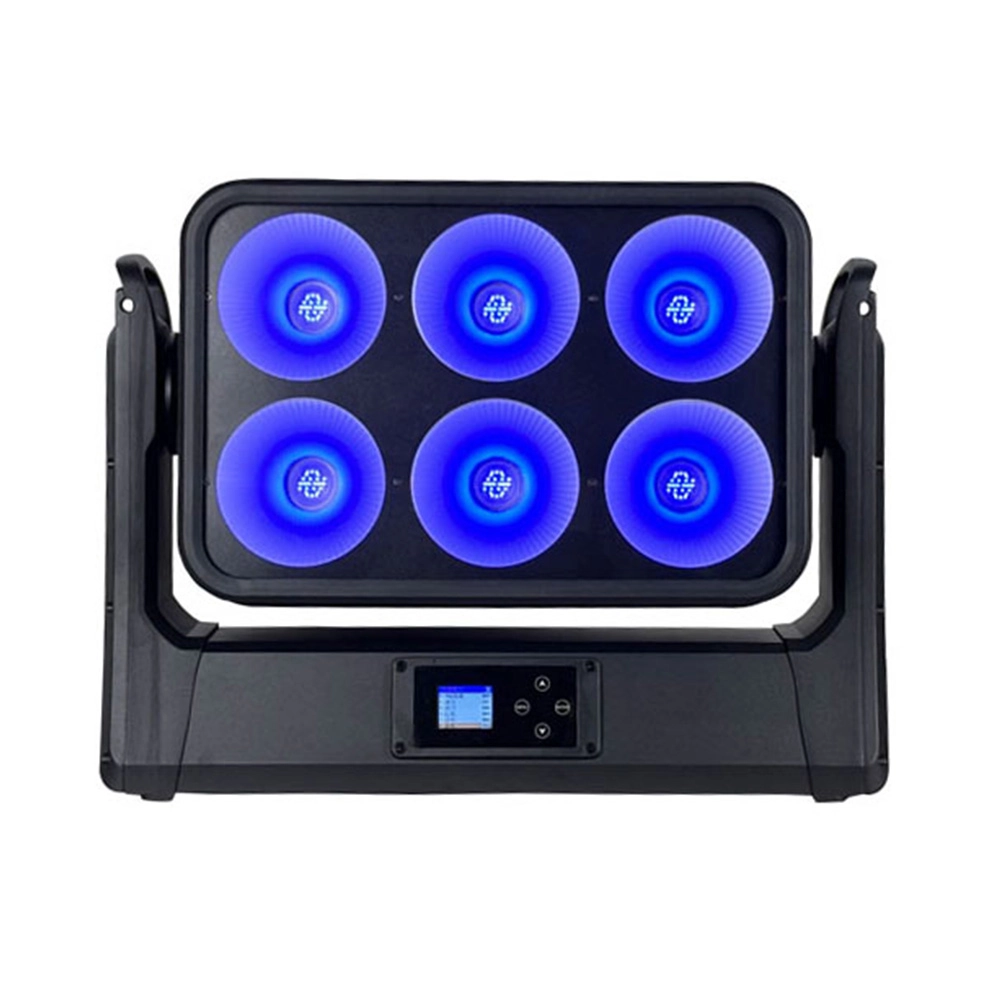
City color refers to high-power LED wash fixtures designed for large-scale architectural illumination and outdoor events. Colorful Light provides specialized LED solutions that utilize high-intensity emitters to cover vast surface areas with uniform color mixing. Key technical parameters include IP65/66 weatherproofing, beam angle precision, thermal dissipation efficiency, and DMX512 control integration. Final hardware configurations depend entirely on specific project dimensions and ambient light conditions.
How Colorful Light Supports City Color Projects
Colorful Light, located in Taoyuan Valley Science And Technology Innovation Park, Foshan, operates as a dedicated manufacturer specializing in the R&D of LED stage lighting. Our production process involves rigorous material rechecking and a multi-stage QC protocol where two to three members monitor each line. This ensures that every city color fixture meets CE and RoHS standards, providing stable performance for long-term outdoor installations.
We facilitate project-specific requirements through advanced LED research and development, focusing on low-consumption yet high-output products. Our facility supports third-party inspections to verify build integrity before shipping. Please note that MOQ, lead times, and specific quotations are confirmed based on individual project scales and technical specifications to ensure total customer satisfaction.
Discuss Your Architectural Lighting Requirements
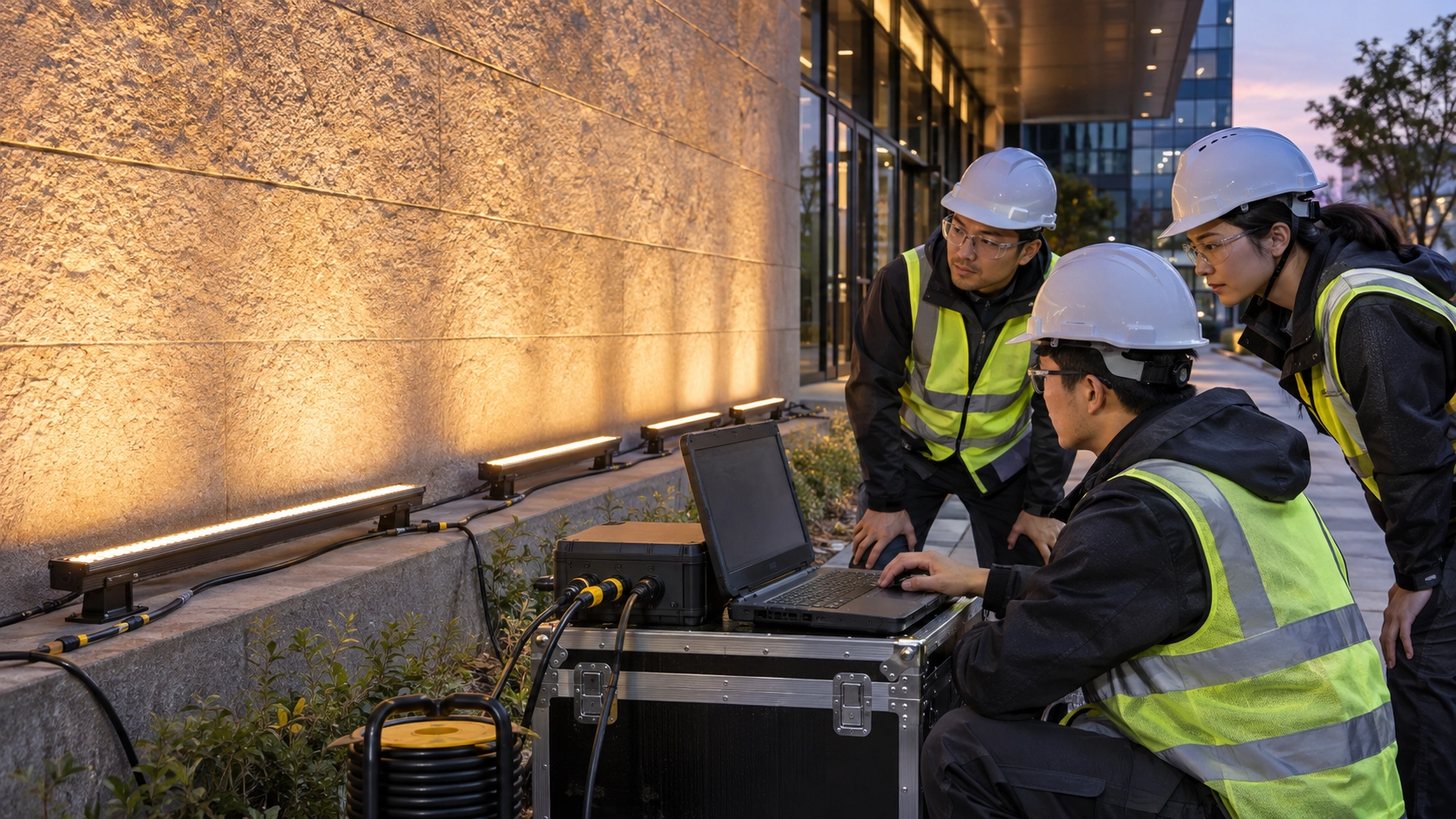
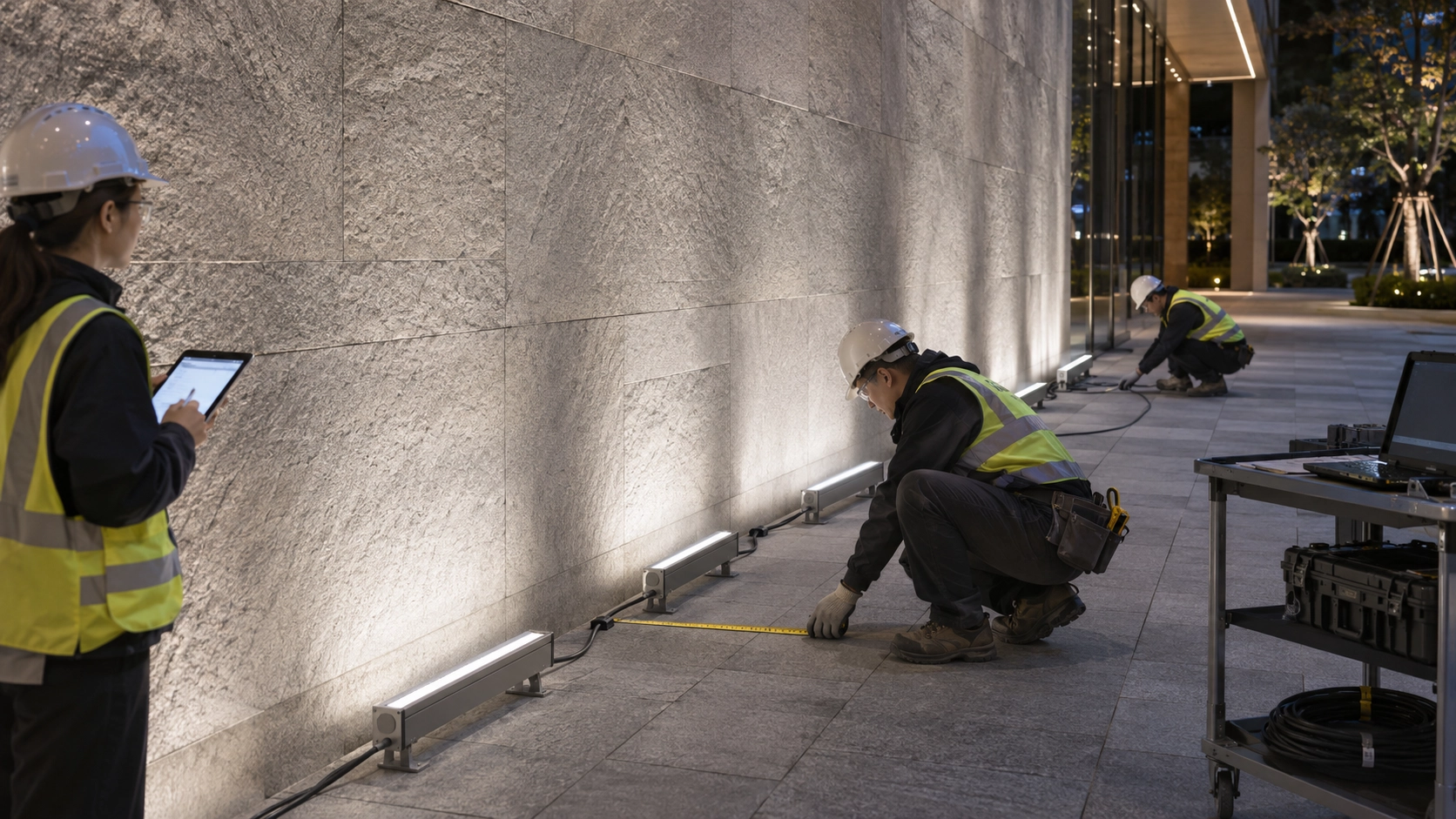
To receive a technical consultation for your installation, please provide the total surface area dimensions, required throw distance, desired control protocol, environmental temperature ranges, and mounting height restrictions. We can discuss custom beam angles and power configurations tailored to your site. Contact our technical team at www.colorfullight.net or via email at sales@colorfullight.net.
Deep-Dive Technical FAQs
How does thermal management impact city color fixture longevity?
Thermal management is the primary determinant of LED lifespan and color consistency in city color fixtures. High-power LEDs generate significant heat; if not dissipated via high-grade aluminum heat sinks or active cooling, the junction temperature rises, leading to phosphor degradation and color shifting. Professional-grade units utilize thermal sensors to throttle power if temperatures exceed safety thresholds, protecting the internal circuitry.
What IP rating is required for permanent outdoor installations?
For permanent outdoor architectural applications, a minimum rating of IP65 is necessary to protect against dust ingress and low-pressure water jets. However, for environments exposed to heavy rain or coastal salt spray, IP66 or higher is recommended. This ensures the internal optics and power supplies remain sealed against moisture, preventing internal condensation and short circuits over multi-year deployment cycles.
Why is beam uniformity critical for large building facades?
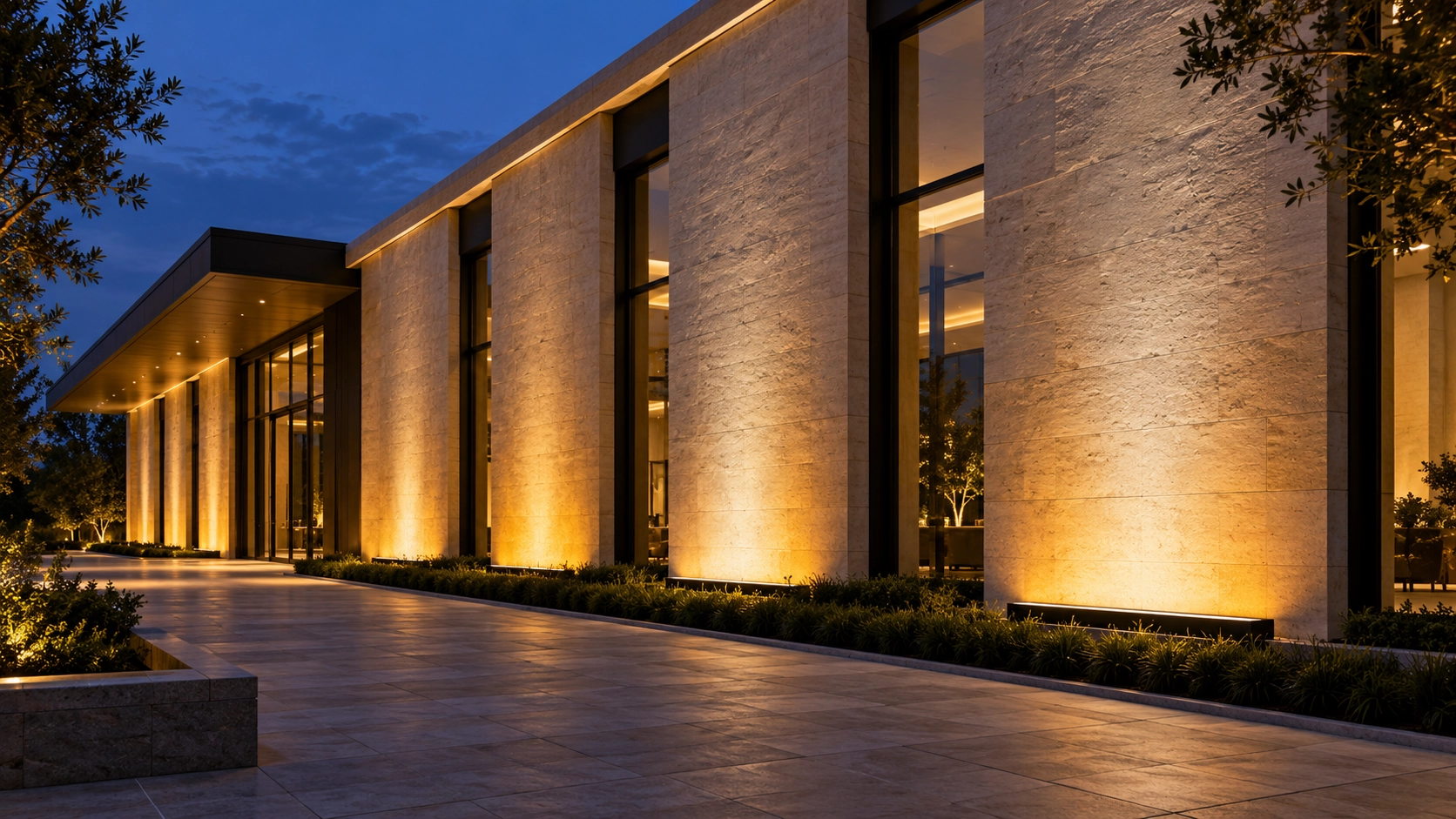
Beam uniformity, or the absence of 'hot spots,' ensures that the light distribution across a facade is seamless. In city color applications, poor optics result in uneven illumination levels and visible color banding. High-quality fixtures use precision-engineered lenses or holographic filters to spread light evenly, which is essential when blending multiple units to cover expansive vertical surfaces.
How do DMX512 protocols function in long-distance lighting setups?
In large-scale city color deployments, DMX512 signals often require RDM (Remote Device Management) compatibility for remote monitoring. Because signal degradation occurs over long cable runs, installers must use DMX opto-splitters and shielded cabling to maintain data integrity. For extremely large sites, converting DMX to Art-Net or sACN over Ethernet is the industry standard for low-latency control.
What role does LED binning play in color consistency?
LED binning is the process of sorting LEDs by their color temperature and luminosity. For city color projects involving multiple fixtures, using LEDs from the same bin is vital. Without strict binning, two identical fixtures may display slightly different shades of white or saturated colors, ruining the visual cohesion of an architectural design. Manufacturers like Colorful Light prioritize binning consistency to ensure uniform output.
How does power factor correction affect large lighting installations?
Power Factor Correction (PFC) in city color fixtures reduces the reactive power draw, improving electrical efficiency and reducing the load on the building's infrastructure. In projects where dozens of high-power wash lights are used, fixtures with active PFC prevent harmonic distortion and reduce the risk of tripping circuit breakers, which is a common failure point in poorly designed professional stage lighting equipment systems.
◼
Product Recommendations
You May Also Like

◼
Get in Touch
Get Started with Stage Lighting Project
Want to transform your stage or venue with Colorful Light?
Explore our solutions and let us create a memorable lighting experience for your event.
Colorful Light is a professional LED stage lighting manufacturer that provides dynamic and reliable lighting solutions to customers worldwide.
© 2026 Colorful Light. All Rights Reserved.

Facebook
Instagram
LinkedIn
YouTube
Tik Tok