


Event Lighting Equipment: B2B Selection & RFQ Checklist
- Quick Answer: What Should an Event Lighting Equipment List Include?
- Separate Lighting Roles Before Comparing Equipment
- Moving Head Wash and Static Wall Wash Equipment
- Beam and Beam Spot Fixtures for Visual Structure
- Strobe and Blinder Fixtures for Event Accents
- Follow Spots and Presenter Visibility
- How to Compare Three Current Colorful Light Fixture Types
- Electrical Distribution and Whole-Fixture Power
- DMX512, RDM and Network Control Requirements
- Rigging Hardware, Clearance and Transport
- Indoor, Outdoor and Weather-Protected Lighting
- Evaluating Camera Performance and Color
- RFQ Checklist: What Buyers Should Send to Suppliers
- Receiving Inspection and Pre-Show Acceptance
- Conclusion: Buy Event Lighting as a Working System
- Event Lighting Equipment FAQs
Quick Answer: What Should an Event Lighting Equipment List Include?
An event lighting equipment list should begin with the visual objectives, venue conditions and production schedule rather than with the biggest fixtures in a supplier catalog. Professional events may need performer or presenter visibility, background color, dynamic beam effects, audience accents and camera-friendly output. A practical specification connects those lighting roles to the actual rig, control network, power system and available operators. The result is a bill of materials that supports the show instead of merely describing a collection of LED lights.
For B2B procurement, the equipment list is also a verification document. It should identify the specific fixture model, quantity, required optics, control functions, power input, operating environment and approved accessories. Rental companies, event agencies and system integrators need enough information to compare quotations and avoid substituting incompatible products. Unknown details should be flagged for supplier confirmation rather than filled in with generic certification or performance claims.
Separate Lighting Roles Before Comparing Equipment
Different event formats use lighting equipment for different purposes, even when the same types of fixtures appear in the quotation. Front or key light supports presenters and performers, while broader washes establish the scenic color field. Beam and pattern fixtures add aerial effects or accents, and strobes or blinders provide deliberately timed high-impact looks. A professional system normally combines those functions rather than asking one fixture to supply every lighting layer.
A corporate event may favor consistent white light on speakers and controlled color behind a presentation screen. A live concert may need more movement and visible effects, while a theatrical event may prioritize smooth dimming and quiet changes. Outdoor festivals add another level of environmental and rigging planning. Buyers should organize the bill of materials by these real tasks so that each proposed unit can be justified.
Moving Head Wash and Static Wall Wash Equipment
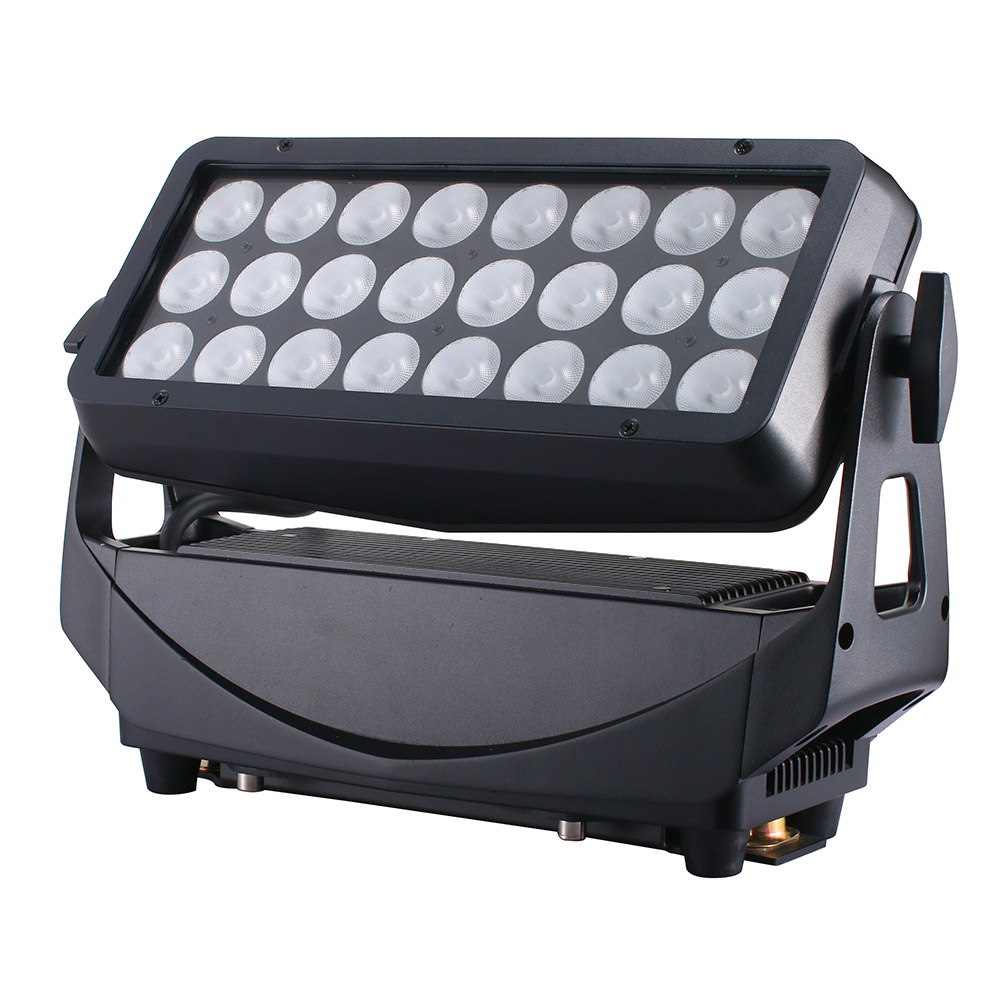
Moving head wash lights are useful when one fixture position must cover multiple stage areas during a changing show. Their zoom, color mixing and movement functions should be checked against the required lighting looks and console configuration. In the current Colorful Light catalog, the 32×25W RGBW IP65 Moving Head Wash is specified with five segments and a 4°–60° zoom range. Those values are useful for shortlisting, but they do not establish measured illuminance or uniformity at the venue's throw distance.
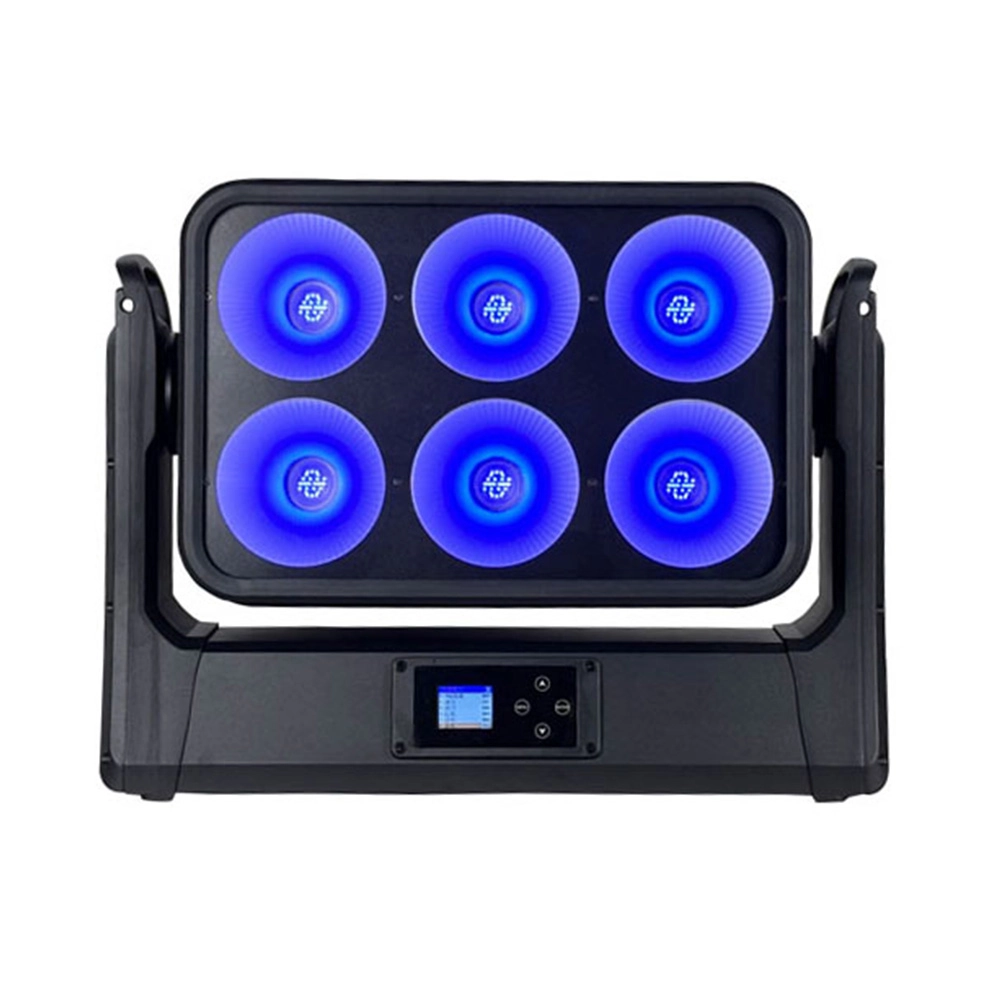
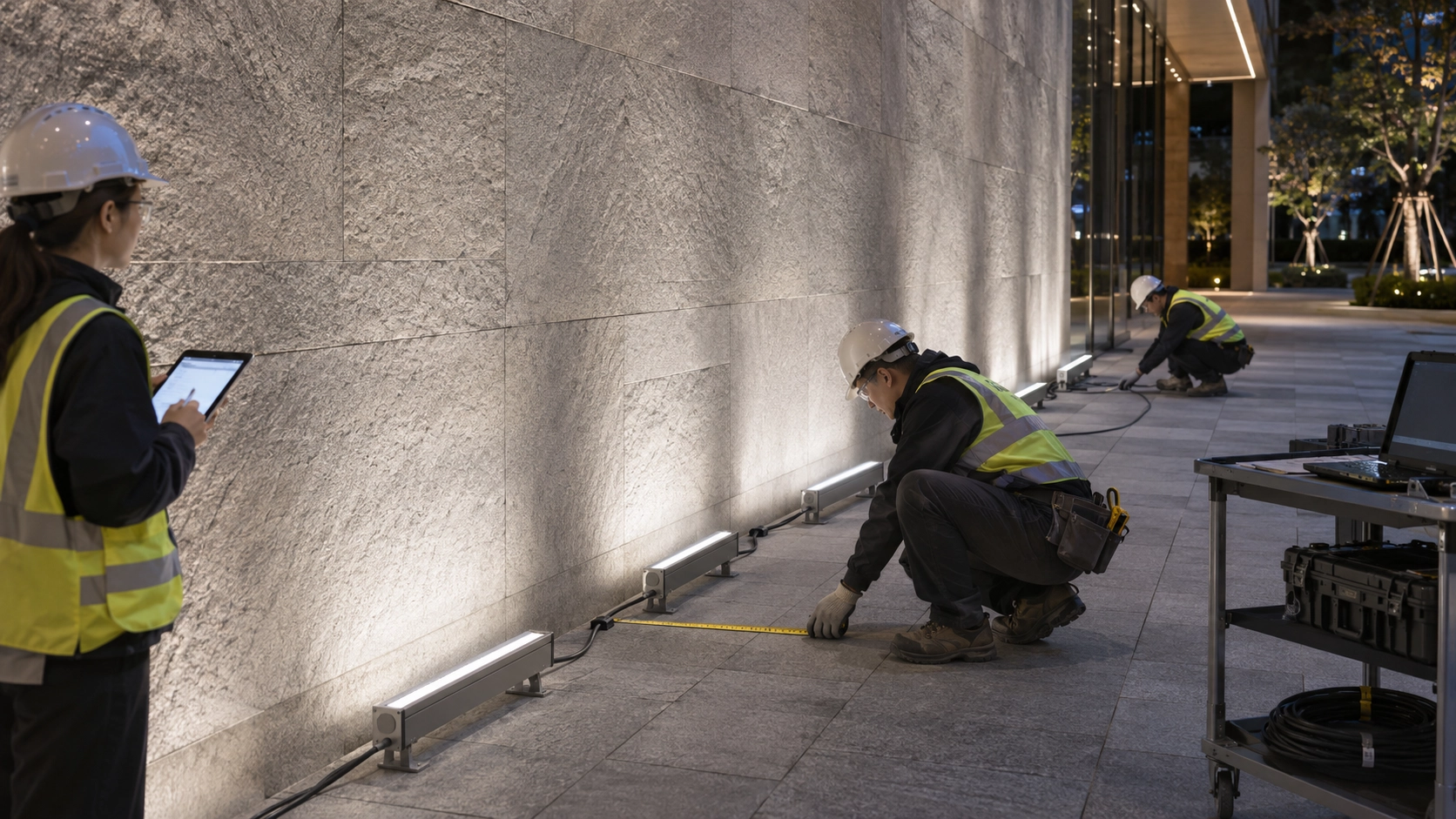
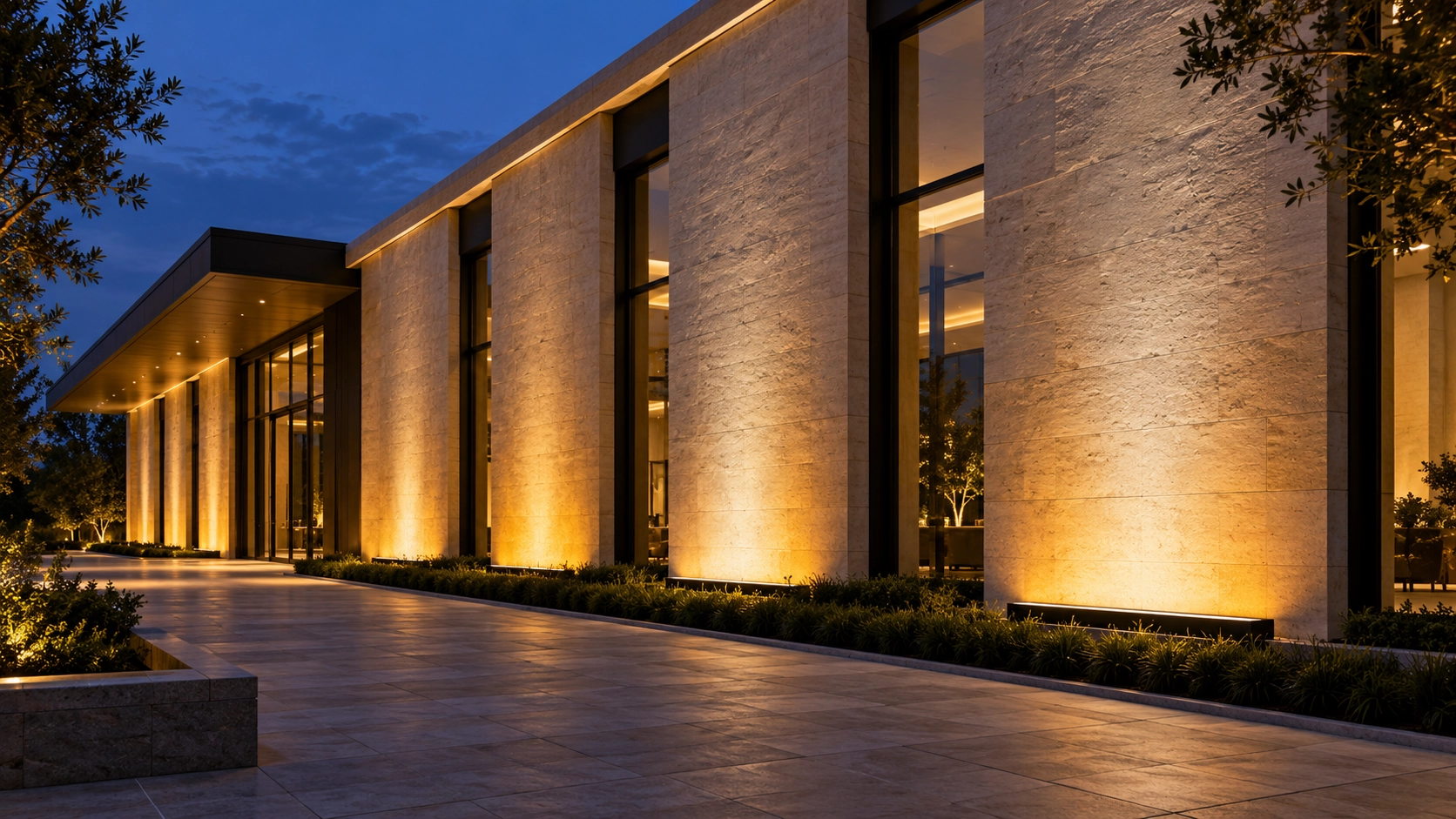
Static wall washers or bar-format fixtures can be more appropriate when the illuminated backdrop or architectural feature does not move. The Colorful Light 24×20W RGBW IP65 Wall Wash lists six segments, DMX512/RDM and optional wireless DMX in its current product record. Check the lens and diffusion options for the selected model before calculating spacing or coverage. An event equipment list should keep these fixed and moving formats separate even when both are marketed as wash lights.
Beam and Beam Spot Fixtures for Visual Structure
A concentrated beam can add strong visual structure to a concert stage, especially where the production uses haze or contrasting scenic light. Beam Spot products may also offer gobos, color wheels or prisms, but the exact functions are model-specific. The Colorful Light 300W IP65 Mini LED Moving Head Beam Spot lists a 1.6° beam and DMX512/RDM in its current technical information. Its 200W white LED module and 300W whole-fixture consumption illustrate why source wattage should not be mistaken for electrical demand.
Before buying beam equipment, provide the actual mounting height, throw distance and required visual effect. The nominal angle alone does not predict the output intensity experienced on stage, and a dramatic demonstration in a dark showroom may not match a bright venue. Ask for photometric information or a sample test where precise output is essential. Confirm that the expected control chart is compatible with the actual lighting desk and show file.
Strobe and Blinder Fixtures for Event Accents
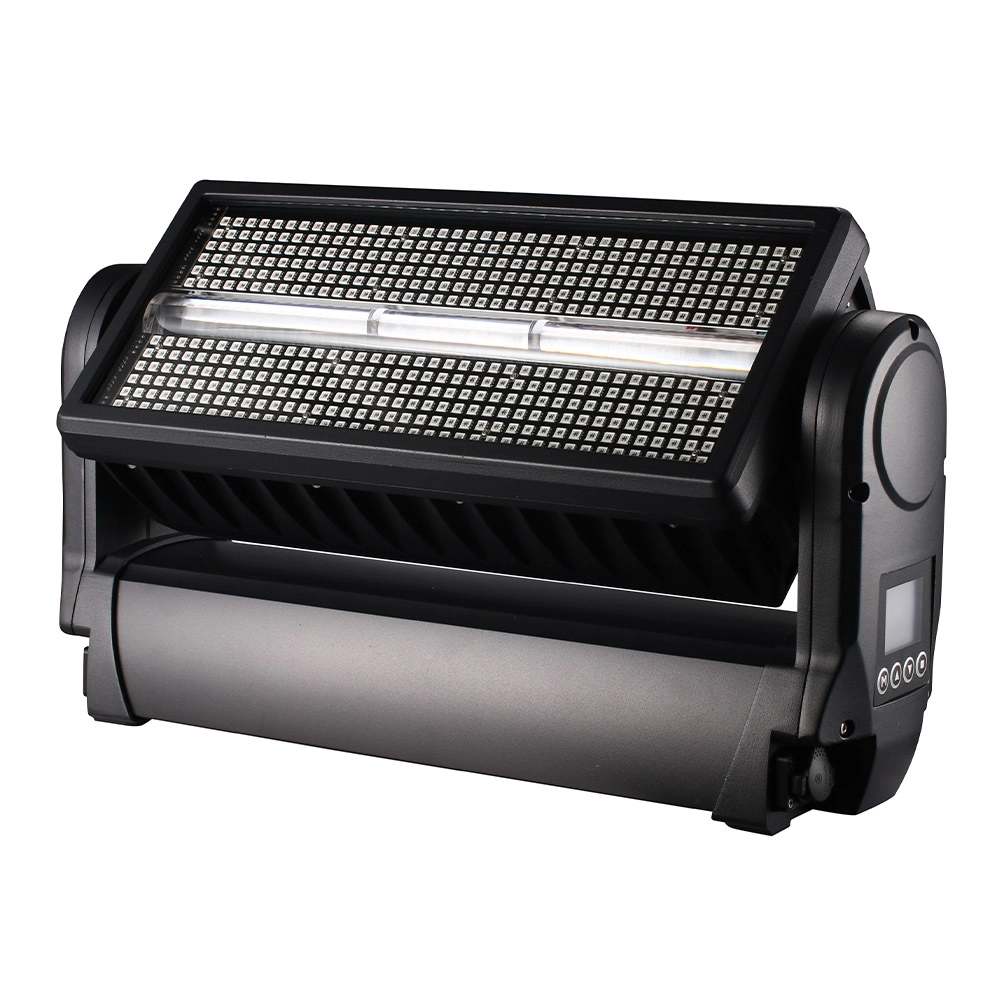
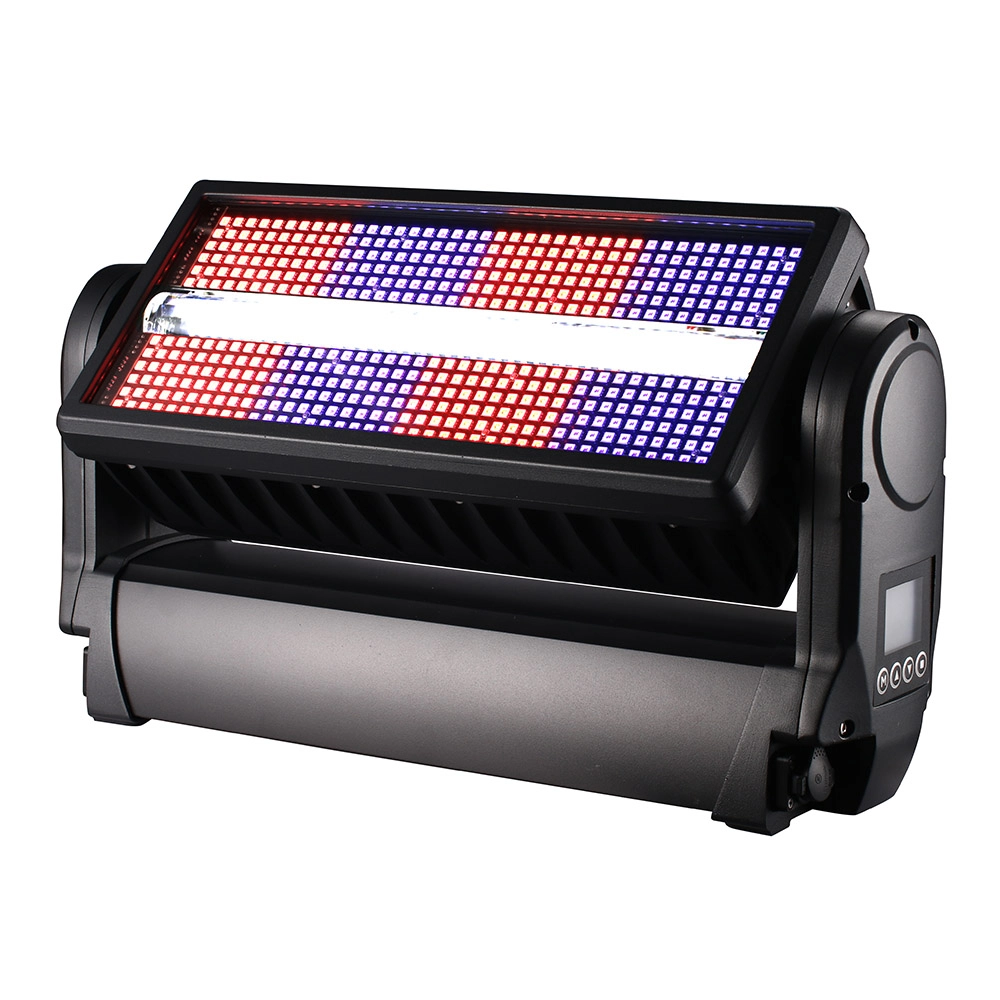
Strobes and blinders create accents that should be programmed deliberately rather than used as continuous stage coverage. The Colorful Light 1500W IP65 LED Moving Head Strobe lists an RGB panel, cool-white strobe elements, 185° tilt and DMX512/RDM, Art-Net and sACN among its control information. The 6×200W RGBW IP65 Moving Head Blinder represents another effect-oriented format with 200° tilt and multiple DMX personalities. The choice depends on the cue, viewing positions and required movement rather than on model wattage alone.
Audience-facing lighting also needs thoughtful review for glare, flashing effects, camera exposure and viewer comfort. A product's available strobe frequency does not prove that every programmed sequence is suitable for every venue. Event teams should test the effects during rehearsal and apply applicable safety and accessibility procedures. Procurement should distinguish essential accent capabilities from optional effects that the production may never use.
Follow Spots and Presenter Visibility
Follow spots and other performer-focused lighting can be necessary where the production needs to track a person across changing positions. Their purpose differs from a color wash or a narrow beam used mainly for scenic effects. The Colorful Light 1200W IP54 LED Follow Spot is listed with a 1200W LED light source, 1500W fixture-rated power and a 4.5°–25° adjustable beam. These fields should be kept separate when discussing source output, electrical distribution and use in exposed environments.
An operator-controlled follow spot requires suitable sightlines, mounting or floor position and a practical communication workflow. Camera-friendly white light and smooth adjustments may be more important than additional color effects for some events. IP54 should not be interpreted as unrestricted weather resistance, and venue exposure needs a specific review. Ask for current instructions and a realistic performer-tracking test before treating a product as suitable for a demanding production.
How to Compare Three Current Colorful Light Fixture Types
A B2B shortlist can compare one moving wash, one narrow Beam Spot and one effect fixture to illustrate how technical requirements differ. The 32×25W RGBW Moving Head Wash supports color coverage and multiple segments, whereas the 300W Mini Beam Spot has a concentrated 1.6° listed beam. The 1500W Moving Head Strobe is designed around another role with different lighting effects and control options. Comparing these three by their intended function is more useful than claiming that one is the best professional light for every event.
The examples below use product photos from the current Colorful Light catalog, not images of a fabricated venue installation. Their published specifications should be treated as a starting point for an RFQ and not as proof of output at a particular stage position. Buyers should request the exact delivered revision and current manual for any chosen model. Lens options, controller compatibility and electrical demands may need confirmation for the actual order.
 32×25W IP65 Moving Head Wash
This unit offers colored wash and a 4–60 degree zoom range. It lists five control segments in the backend. Those features may support different stage zones. Verify the actual coverage with a lighting plot.
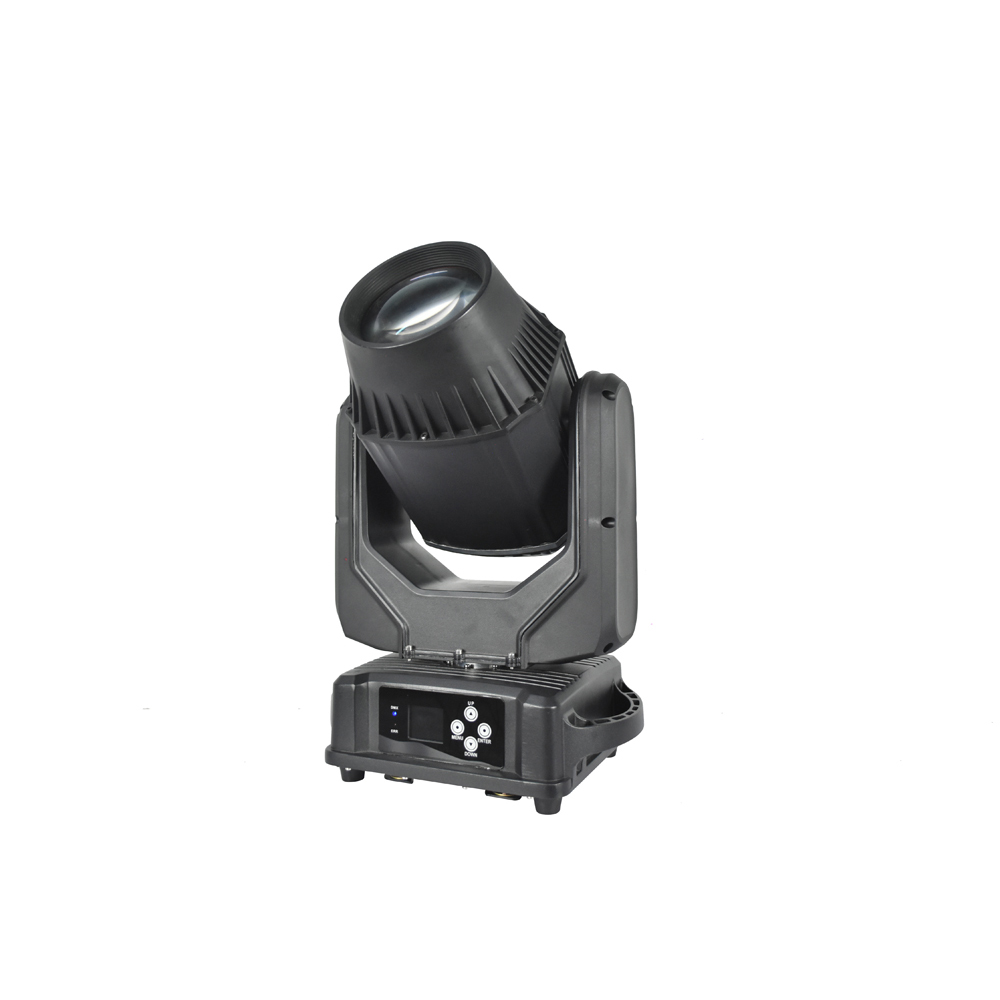 300W IP65 Mini Beam Spot
A 1.6-degree listed beam makes this a concentrated effect fixture. It includes color and gobo functions. Whole-fixture consumption differs from the source module rating. Confirm the channel chart and photometric data.
 1500W IP65 Moving Head Strobe
This unit serves an effects role rather than routine general lighting. Its current specification lists RGB and white strobe elements. Network control options include Art-Net and sACN. Review the planned cue and event safety requirements.
Electrical Distribution and Whole-Fixture Power
Event lighting quotations often include several wattage figures that refer to different things. An LED module rating, a marketing model name, a consumption figure and a power-supply rating are not necessarily identical. The current 300W Mini Beam Spot listing distinguishes a 200W LED module from 300W fixture consumption, while the 6×200W Moving Blinder lists 1200W consumption and a separate 1500W rating. Buyers should preserve those distinctions when preparing the electrical equipment schedule.
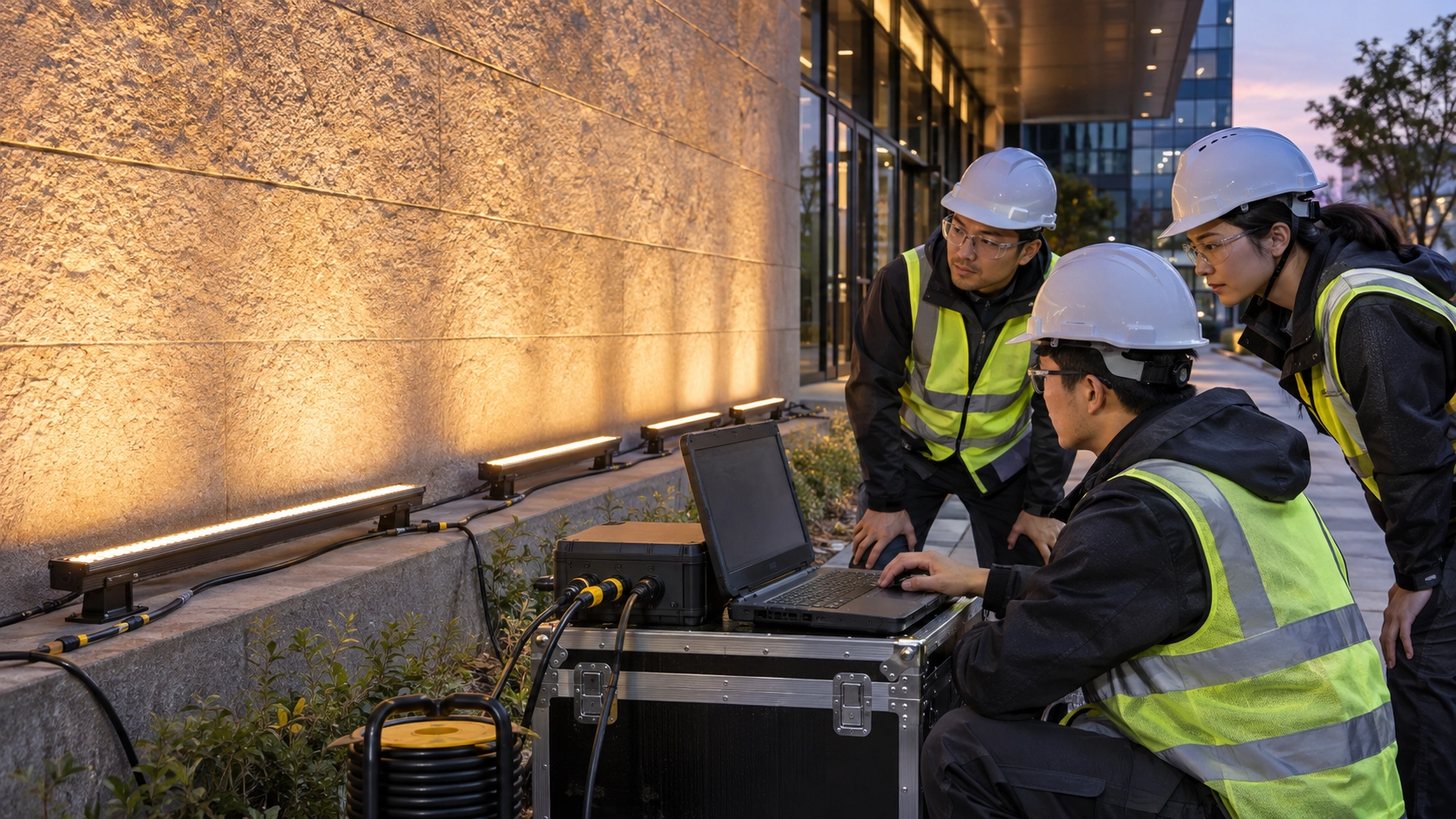
The complete power distribution system also includes suitable cables, connectors and protective equipment, which may be sourced separately from the lighting-fixture manufacturer. Colorful Light's catalog establishes the lighting fixture examples used here, not a claim that it supplies every distribution component or service. Qualified electricians should verify loads, input voltages, circuit capacities and equipment instructions for the actual installation. Any allowed power linking or special connector arrangement must be confirmed for each model.
DMX512, RDM and Network Control Requirements
DMX512 remains a common method of controlling professional stage lighting, but the actual patch depends on the fixture's chosen channel personality. RDM may provide compatible identification or configuration features; its support is not identical on every model. Some products also support Art-Net or sACN, while others rely on a more limited control set or optional interfaces. A purchasing brief should name the protocol actually required rather than using the general word compatible without a test plan.
Ask the supplier for current DMX charts, firmware information and model-specific control documentation. Prepare a universe and addressing schedule that accommodates the desired functions without unnecessarily selecting the largest channel mode. Test a sample on the production's console or network equipment before finalizing many units. Record optional wireless control or network interfaces separately so that the commercial quotation matches the system design.
Rigging Hardware, Clearance and Transport
An equipment list is incomplete unless mounting and handling have been considered alongside the fixtures. Request the approved weight, mounting interface, orientation and secondary safety attachment requirements for every suspended unit. Moving heads require clearance through the full programmed movement range rather than only while parked. The final rigging plan must also consider cable routing, neighboring equipment and the structural limitations of each venue.
Rental equipment has additional practical needs such as safe transport, quick identification and repeatable setup between events. The correct flight case, accessories and spare parts can be just as important operationally as a desirable lighting feature. Confirm which items are included in the actual purchase and which are charged separately. Avoid assuming a product comes with clamps, safety cables or a case simply because another fixture from the same supplier does.
Indoor, Outdoor and Weather-Protected Lighting
Operating environment can change the suitability of a fixture that otherwise appears optically appropriate. An indoor event in a dry hall may not require the same ingress protection as an exposed festival stage. IP65 identifies defined dust-tight and water-jet protection when it applies to the complete tested fixture, but does not guarantee operation in every storm or direct water effect. Buyers must examine the enclosure documentation, connectors and manufacturer limitations for the exact model.
Weather planning also extends beyond the luminaires themselves. Wind, overhead structures, temporary power, slippery access areas and emergency shutdown procedures are site-level considerations. Coastal corrosion, freezing conditions and persistent condensation may require separate evidence not captured by a headline IP number. State the expected exposure clearly in the RFQ and request model-specific confirmation rather than using the word waterproof as a universal approval.
Evaluating Camera Performance and Color
Corporate events, livestreams and filmed concerts often require more careful testing of white light and dimming behavior than an unrecorded event. Camera shutter timing can interact with LED modulation and produce flicker or banding that is not obvious during a visual demonstration. RGBW or other multi-emitter color engines do not automatically guarantee particular color-rendering performance. Request sample footage or measured color information where accurate skin tones and branded scenic colors matter.
A useful test should include the actual camera system, show frame rates, shutter settings and representative dimming levels. Compare the same colors across multiple fixtures rather than only checking one unit at full brightness. If the event includes strong audience-facing accents, the camera director should review exposure changes during cues. Record the approved fixture settings and camera conditions as part of the commissioning documentation.
RFQ Checklist: What Buyers Should Send to Suppliers
An effective lighting RFQ begins with the event type, venue location, dimensions and estimated number of fixture positions. List the required lighting roles, optical or beam-angle requirements, control network, operating environment and expected production dates. Include any requirements for cameras, color accuracy, silent operation or special effects. A supplier can provide a more useful technical response when it knows the actual application instead of receiving only a generic request for stage lights.
Ask for model identifiers, datasheets, current manuals, channel charts, electrical figures, weight and mounting information, and any relevant protection evidence. Record required accessories, packing format, sample availability, service arrangements and commercially agreed terms. Do not assume blanket CE, RoHS, ETL or other certifications for every fixture without model-specific documentation. Keep quotation exceptions visible so that a seemingly low price is not being compared with a more complete equipment offer.
Receiving Inspection and Pre-Show Acceptance
The purchase decision should be linked to practical acceptance checks that the recipient can repeat. When equipment arrives, verify model identifiers, quantity, physical condition, accessories and the supplied documentation against the purchase order. Test the approved control mode, relevant output functions and safe movement before the fixtures are incorporated into a live rig. Qualified personnel should verify the electrical and mechanical installation using the current instructions.
Large purchases may justify a pilot or sample acceptance process before the full order is approved. The pilot should reproduce the intended event role, including optical distribution, camera behavior, dimming and the correct console patch. Any discrepancy between published specifications and the supplied product should be resolved with the supplier rather than silently accepted as a normal variation. Store the confirmed test results with the fleet or venue equipment records for future reference.
Conclusion: Buy Event Lighting as a Working System
Selecting event lighting equipment is an exercise in matching the show to the fixture roles, not buying whichever catalog entries quote the highest power. Washes, beams, strobes, blinders and follow spots have different tasks, while control and installation conditions determine whether they can operate together. A disciplined RFQ should cover whole-fixture power, optical requirements, DMX and RDM modes, environment, rigging and acceptance testing. For a separate discussion of lighting positions, read the Professional Stage Lighting Setup Guide or consult Colorful Light with a project-specific equipment brief.
A supplier quotation should remain tied to the specific products and documentation requested. Send the project details through the Colorful Light contact page. State the intended quantities and whether the equipment is for a permanent venue or temporary event. Ask for written confirmation of the final configuration and conditions before ordering.
Event Lighting Equipment FAQs
What types of lighting equipment are needed for a professional event?
The list depends on the venue and production goals. It may include front light, color washes, Beam Spot fixtures, strobes or blinders, follow spots and appropriate control and electrical infrastructure. Identify each lighting task before choosing product models or quantities.
How should event lighting buyers compare moving washes and fixed wall washers?
Use moving washes when fixtures must address multiple positions and fixed wall washers where a backdrop or architectural surface needs stable coverage. Compare actual beam distribution, control options and mounting requirements. A wide zoom specification alone does not guarantee a particular lux value or uniform field.
Should a stage lighting RFQ specify LED module wattage or fixture power?
Request both when relevant, but use verified whole-fixture input and consumption for electrical planning. LED-source and marketed wattage numbers are not necessarily whole-unit demand. Qualified electricians should confirm the complete distribution design and supplier documentation.
Does every Colorful Light event fixture support Art-Net and RDM?
No universal protocol support should be assumed. DMX512, RDM, Art-Net, sACN and wireless options vary across models and revisions. Request the current channel and communication chart for each candidate unit and test it with the actual control equipment.
How can I choose event lighting equipment for filmed productions?
Test accurate performer lighting, color behavior, dimming and LED modulation with the intended cameras and shutter settings. A single refresh-frequency number is not a guarantee against flicker or banding. Record the accepted equipment and camera settings before the event.
Is IP65 event lighting suitable for all outdoor locations?
No. IP65 represents defined enclosure ingress protection, not approval for immersion, every storm or every environmental hazard. Check model-specific IP evidence, connections, temperature limits and the complete installation and weather plan. Wind and electrical safety need separate evaluation.
What documents should suppliers include with a B2B stage lighting quotation?
Ask for current product identifiers, technical sheets, installation manuals, fixture-level electrical specifications, optical information where available, DMX charts, applicable IP or other test evidence, accessory details and agreed service terms. Compare quotations on the same technical basis and clarify optional functions.
How should an equipment buyer validate products before a large order?
Use sample testing or a pilot that reproduces the intended lighting role, control system, camera conditions and mounting requirements. Verify delivered identifiers and documents against the purchase order. Record any deviation and confirm the final model configuration with the supplier before approving the full quantity.
◼
Product Recommendations
You May Also Like




◼
Get in Touch
Get Started with Stage Lighting Project
Want to transform your stage or venue with Colorful Light?
Explore our solutions and let us create a memorable lighting experience for your event.
Colorful Light is a professional LED stage lighting manufacturer that provides dynamic and reliable lighting solutions to customers worldwide.
© 2026 Colorful Light. All Rights Reserved.

Facebook
Instagram
LinkedIn
YouTube
Tik Tok