


How to Choose LED PAR Can Lights: Beam Angles, RGBW & DMX
- LED PAR Can vs. Traditional PAR Lighting
- How PAR Can Beam Angles Affect Stage Coverage
- Featured LED PAR Can: Real Product Views
- RGBW Color Mixing, DMX512 and RDM
- RGBW color mixing
- DMX512 control and fixture profiles
- Thermal management and recording
- Can IP65 PAR Lights Be Used for Outdoor Stages?
- LED PAR Can Buyer Checklist for Stage Projects
- PAR Can vs. Wall Wash vs. Blinder: Different Roles
- Frequently Asked Questions About LED PAR Can Lights
- What is an LED PAR can light?
- What beam angle is best for a PAR can stage light?
- Does RGBW automatically mean accurate white light for filming?
- Will an LED PAR can work with a DMX512 console?
- Can IP65 LED PAR cans be used outdoors?
- How can I avoid flicker when filming LED PAR lights?
- Discuss Your PAR Can Lighting Requirements
- You May Also Like
- Professional LED Par Can FAQs
QUICK ANSWER
What is an LED PAR can light, and how should you choose one? An LED PAR can is a professional stage lighting fixture used for color washes and directed highlights. Choose by the required coverage, beam angle, color mixing, DMX modes and operating environment. The right product depends on your stage layout and desired lighting effect, not simply its nominal LED wattage.
For professional PAR can lighting, the difference between a good specification and a good installation is the match between the fixture and the venue. A theater, touring concert or outdoor festival may need different beam coverage, control modes and environmental protection. Buyers can begin with our LED PAR can stage lights category and use the checklist below to narrow their requirements.
LED PAR Can vs. Traditional PAR Lighting
Traditional PAR cans commonly use a lamp and reflector to generate a defined beam. Modern LED PAR lights use LED sources and electronic control to provide adjustable output and color effects, although their optical designs differ by model. Neither category guarantees one fixed beam shape or color quality.
| Selection factor | Traditional lamp-based PAR | LED PAR can |
|---|---|---|
| Color output | Often relies on color media or changing lamps | May offer RGB, RGBW or other LED mixing systems |
| Control | May use conventional dimming methods | Often uses electronic dimming and DMX512 modes |
| Beam and coverage | Depends on lamp and fixture optics | Depends on LEDs, lenses and any zoom system |
| Maintenance | Lamp life and replacement are considerations | LED thermal design and service access remain important |
How PAR Can Beam Angles Affect Stage Coverage
A PAR can beam angle influences how much area a light covers at a given throw distance. A narrower angle concentrates light into a smaller area; a wider angle covers a broader area. Because a beam does not necessarily have a uniform edge or intensity, verify the manufacturer's beam and field measurements when accurate coverage is required.
| Beam approach | Typical design goal | What buyers should check |
|---|---|---|
| Narrower beam | Accents or defined highlights | Throw distance, spot size and useful intensity |
| Wider beam | Stage washes and scenic illumination | Coverage overlap, uniformity and spill |
| Zoomable optics | Adjustable effects in changing stage designs | Published range and whether output stays suitable across it |
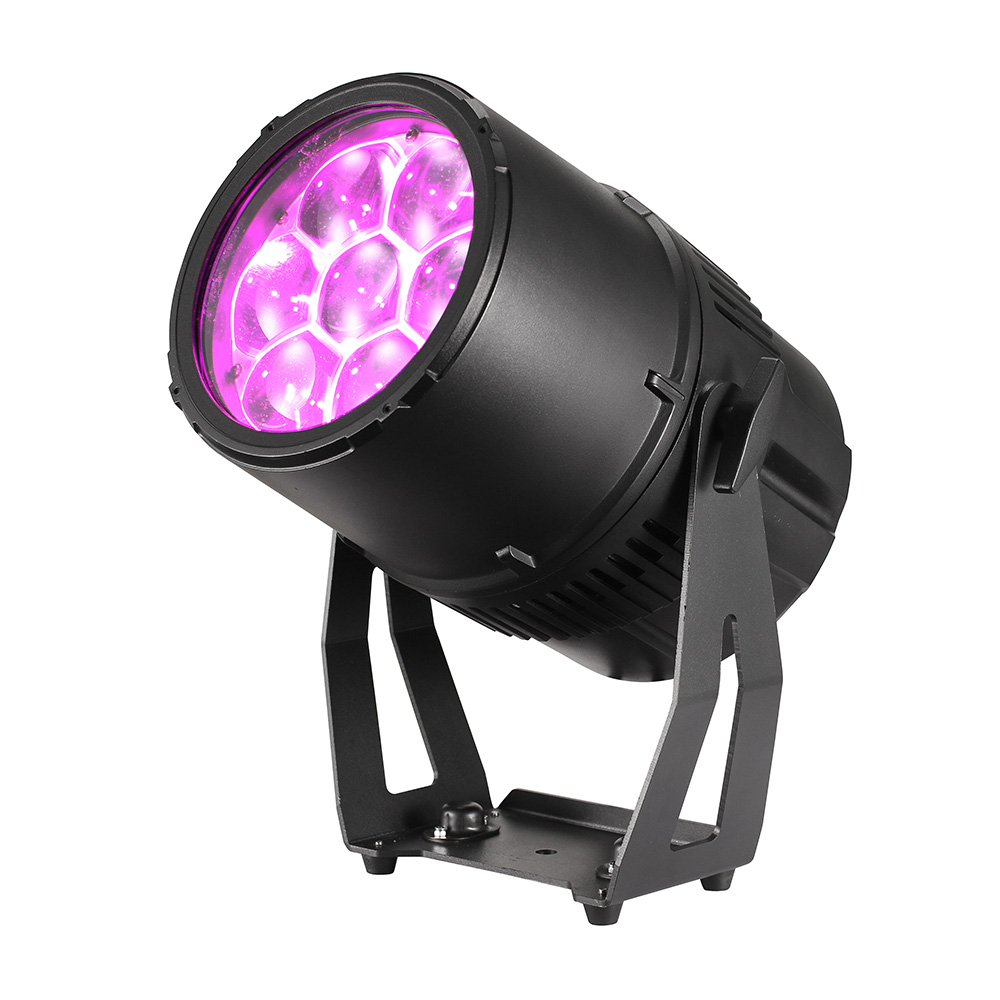
For a verified example, Colorful Light lists a 7x40W RGBW 4-in-1 IP65 Bee Eye Zoom PAR Can with a 5°–30° zoom range. This range illustrates why venue dimensions and desired looks should be discussed before purchase; the listing alone does not determine delivered illumination at a particular distance.
Featured LED PAR Can: Real Product Views
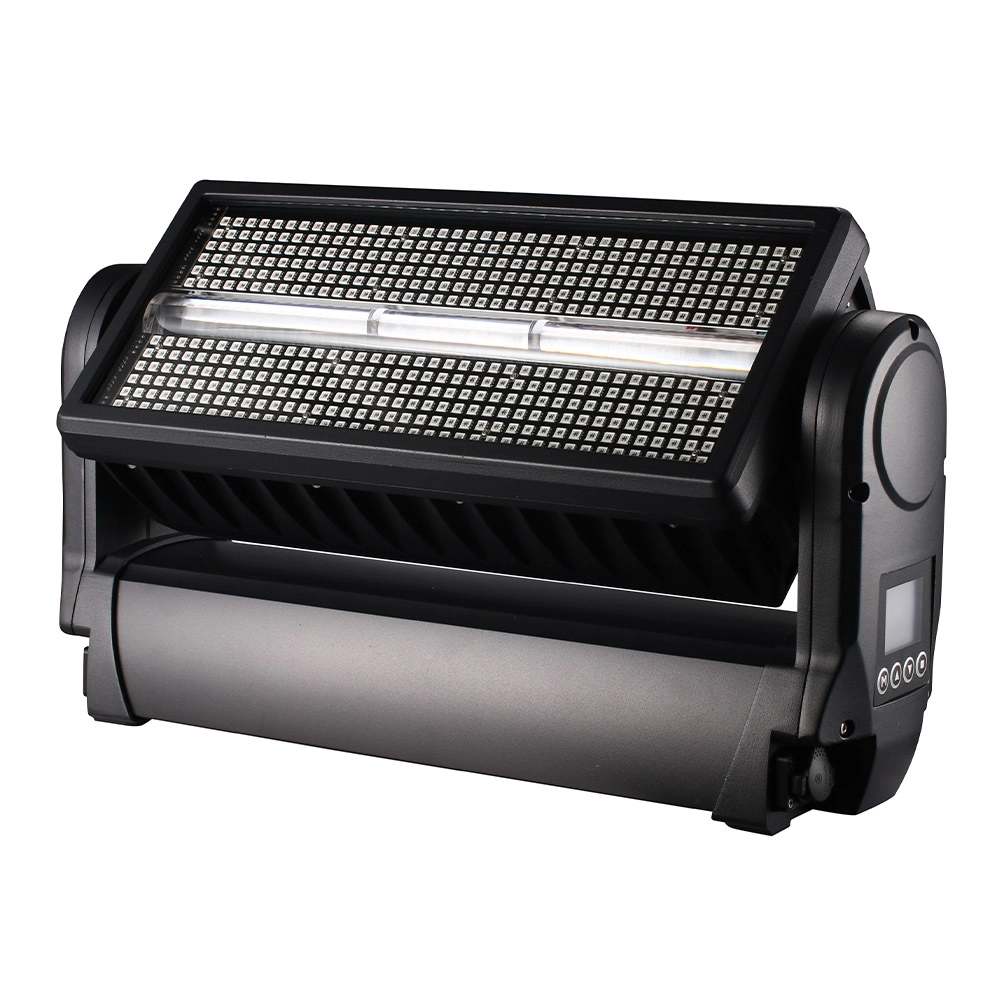
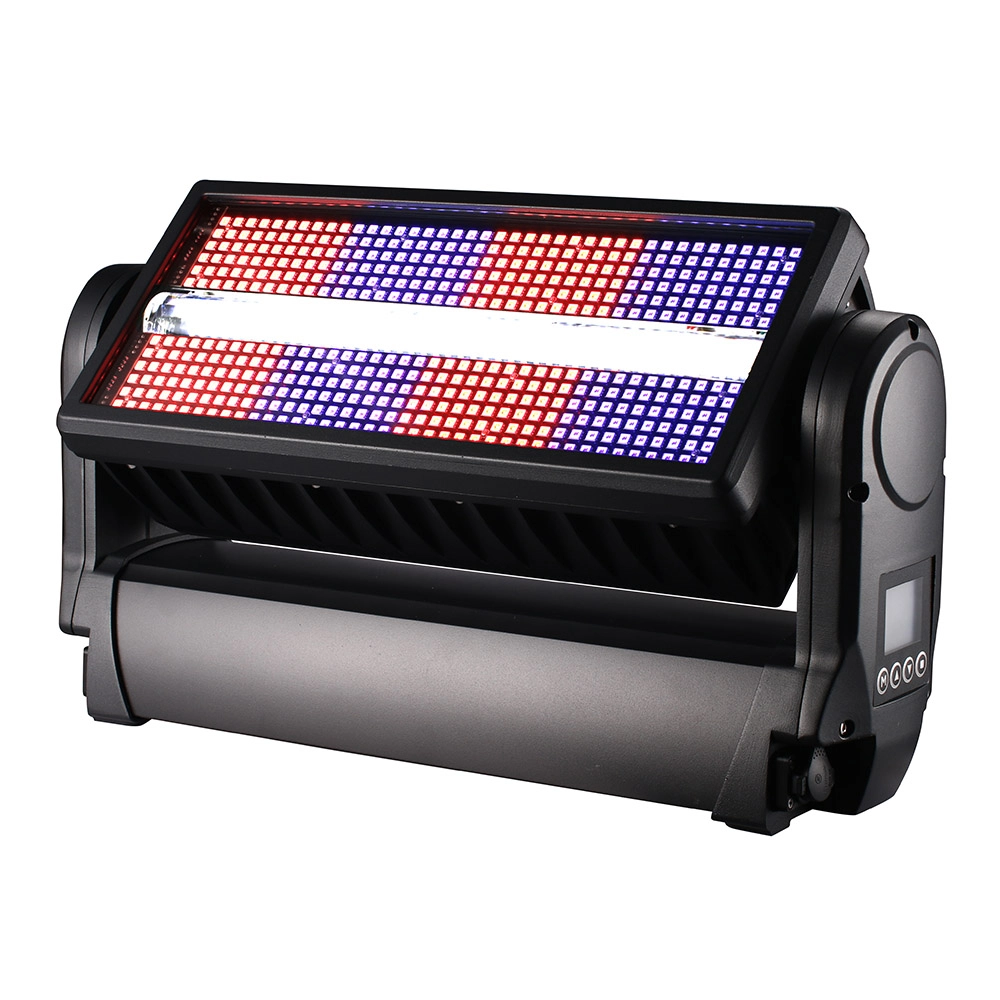
The current PAR Can category features one verified model. Below are its product photograph and lighting-effect view, using the original images from the Colorful Light product record.

RGBW Color Mixing, DMX512 and RDM
RGBW color mixing
RGBW adds a white LED channel to red, green and blue. This can be useful for certain white tones and pastel looks, but it does not prove a particular color-rendering index or eliminate camera-color issues. Other LED PAR designs may use more color channels; select a model only after reviewing what that specific fixture actually supports.
DMX512 control and fixture profiles
DMX512 allows compatible consoles to address fixtures and trigger defined functions. Check the fixture's published DMX channel modes and profile before specifying a console patch. The featured Colorful Light PAR Can listing identifies DMX512 and RDM; exact supported functions and cabling requirements should be confirmed from its current manual.
Thermal management and recording
Cooling, fan noise and dimming behavior can matter for theaters, studios and filmed events. Do not assume that an LED PAR is silent or flicker-free. Request available fan-mode, PWM and dimming information, and test against your intended camera frame rate and shutter settings.
Can IP65 PAR Lights Be Used for Outdoor Stages?
OUTDOOR INSTALLATION NOTE
IP65 describes dust-tight protection and resistance to water jets under specified test conditions. It does not indicate submersion suitability or guarantee safe operation in every outdoor environment. Confirm connector protection, cable routing, ventilation, weather exposure and the manufacturer's operating instructions for the exact model.
For festivals or touring rental inventories, also check the fixture's rated mounting options, service access, power requirements and the applicable stage safety plan. If the application requires façade coverage instead of stage wash effects, a dedicated LED wall washer may be a more appropriate category.
LED PAR Can Buyer Checklist for Stage Projects
| Specification | What to ask before ordering | Why it matters |
|---|---|---|
| Beam angle and throw | Check whether coverage is narrow enough for accents or broad enough for washes | Compare published angle range with venue dimensions and real positioning |
| Color mixing | RGBW can extend white and pastel options beyond basic RGB mixes | Review color requirements and any published color metrics |
| Control | DMX512 channel modes, available RDM functions and fixture profiles | Request channel chart and console profile for the exact model |
| Outdoor use | IP rating and manufacturer installation conditions | Review seals, connections, power distribution and site weather procedures |
| Operation and service | Cooling, noise, camera compatibility and maintenance access | Confirm specifications and service documents before ordering |
A useful request for quotation includes project type, venue size, throw distance, desired wash or accent effect, indoor/outdoor use, console details and approximate quantity. Discuss available OEM/ODM options and request current product documentation rather than assuming every configuration is offered.
PAR Can vs. Wall Wash vs. Blinder: Different Roles
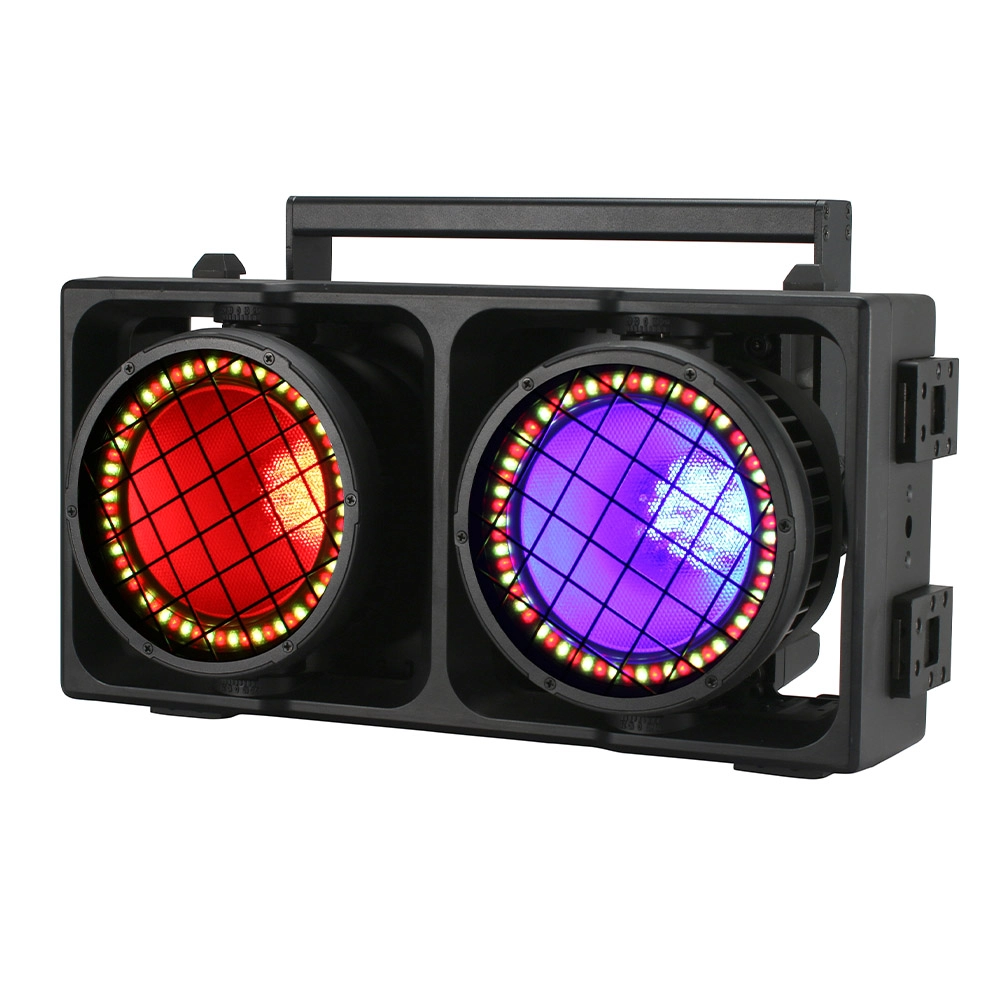
PAR cans, wall wash fixtures and blinders can all contribute to a lighting design, but they are not interchangeable. A zoomable LED PAR can targets adjustable stage color effects; a wall wash fixture is oriented toward broader surface illumination; and a blinder is generally selected for bright audience-facing or impact effects. Exact capabilities depend on the specific product.
| Product type | Primary application | Example |
|---|---|---|
| LED PAR can | Stage color washes, accents and selected dynamic effects | 7x40W RGBW IP65 Bee Eye Zoom PAR Can |
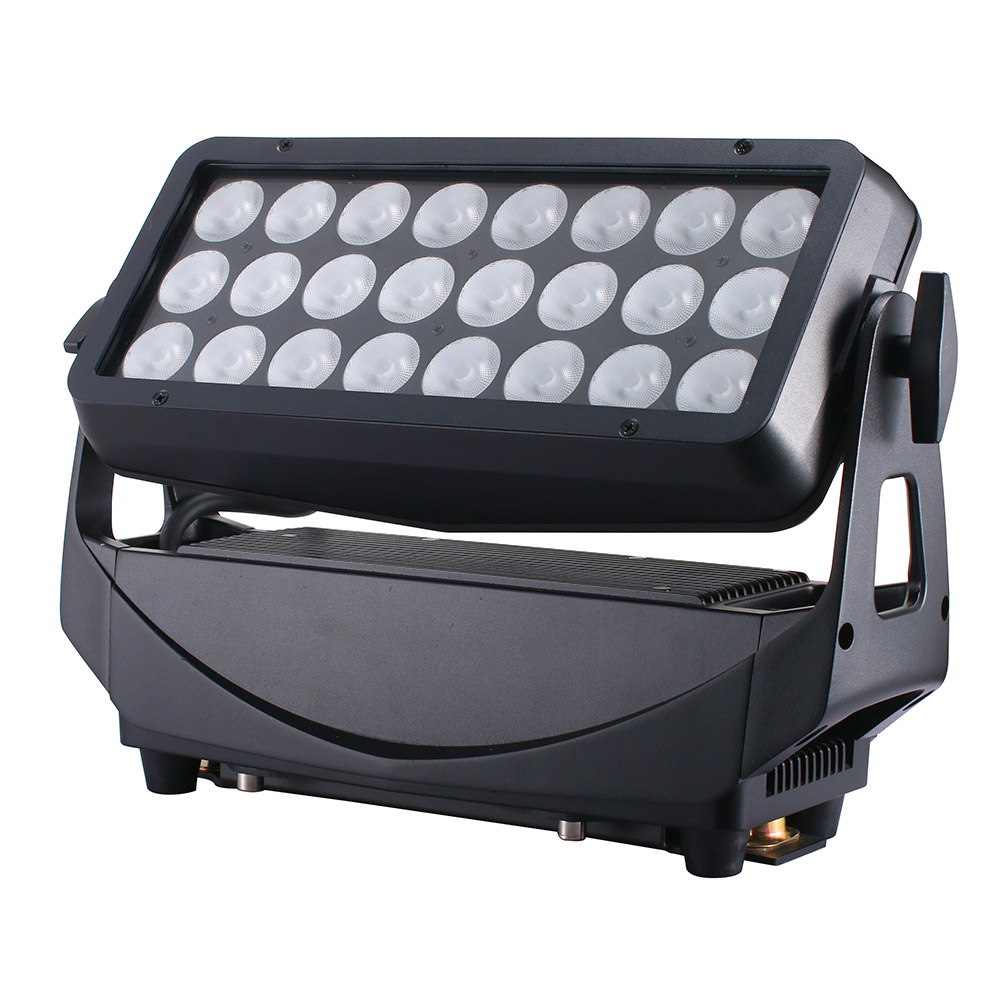
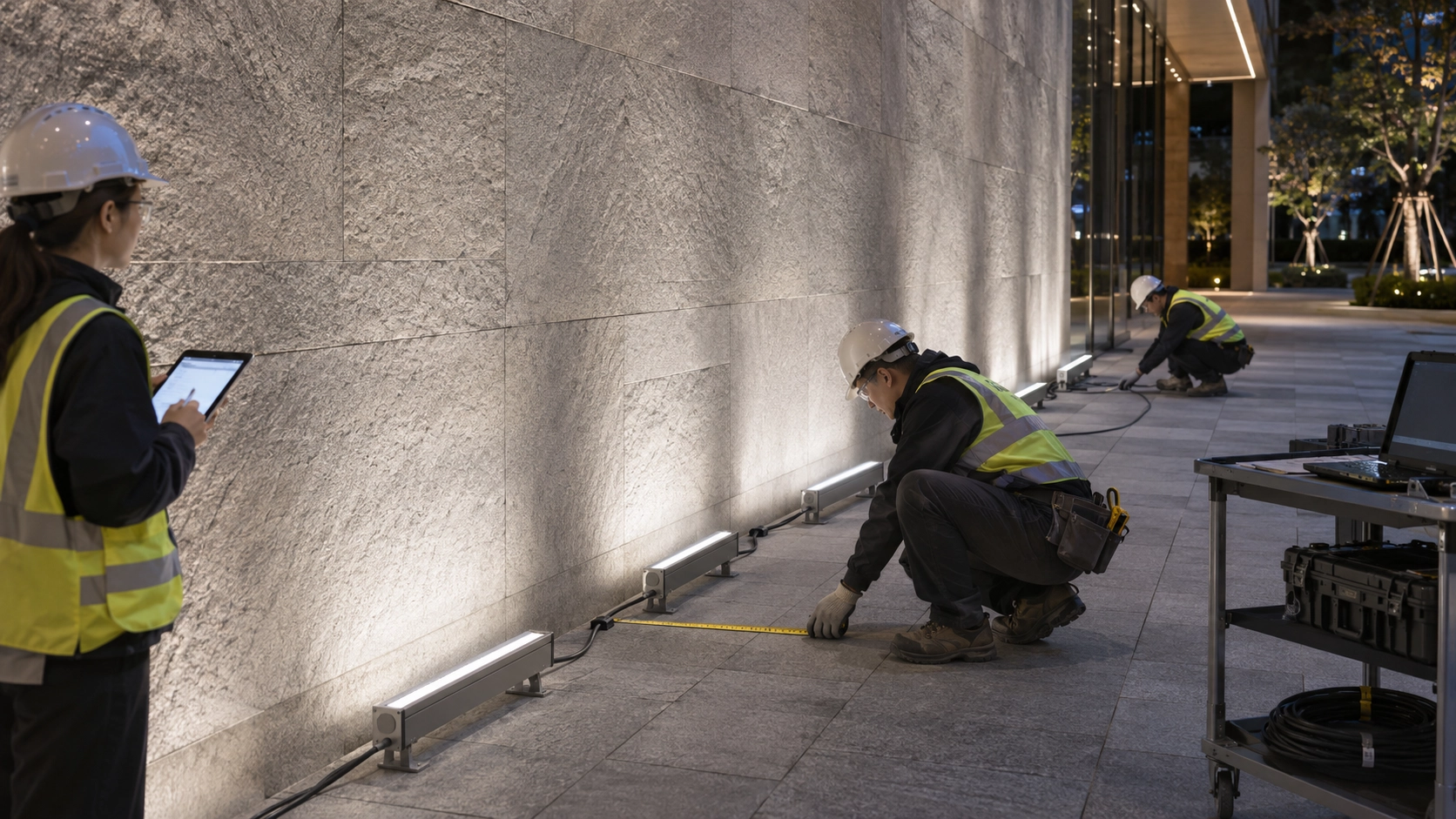
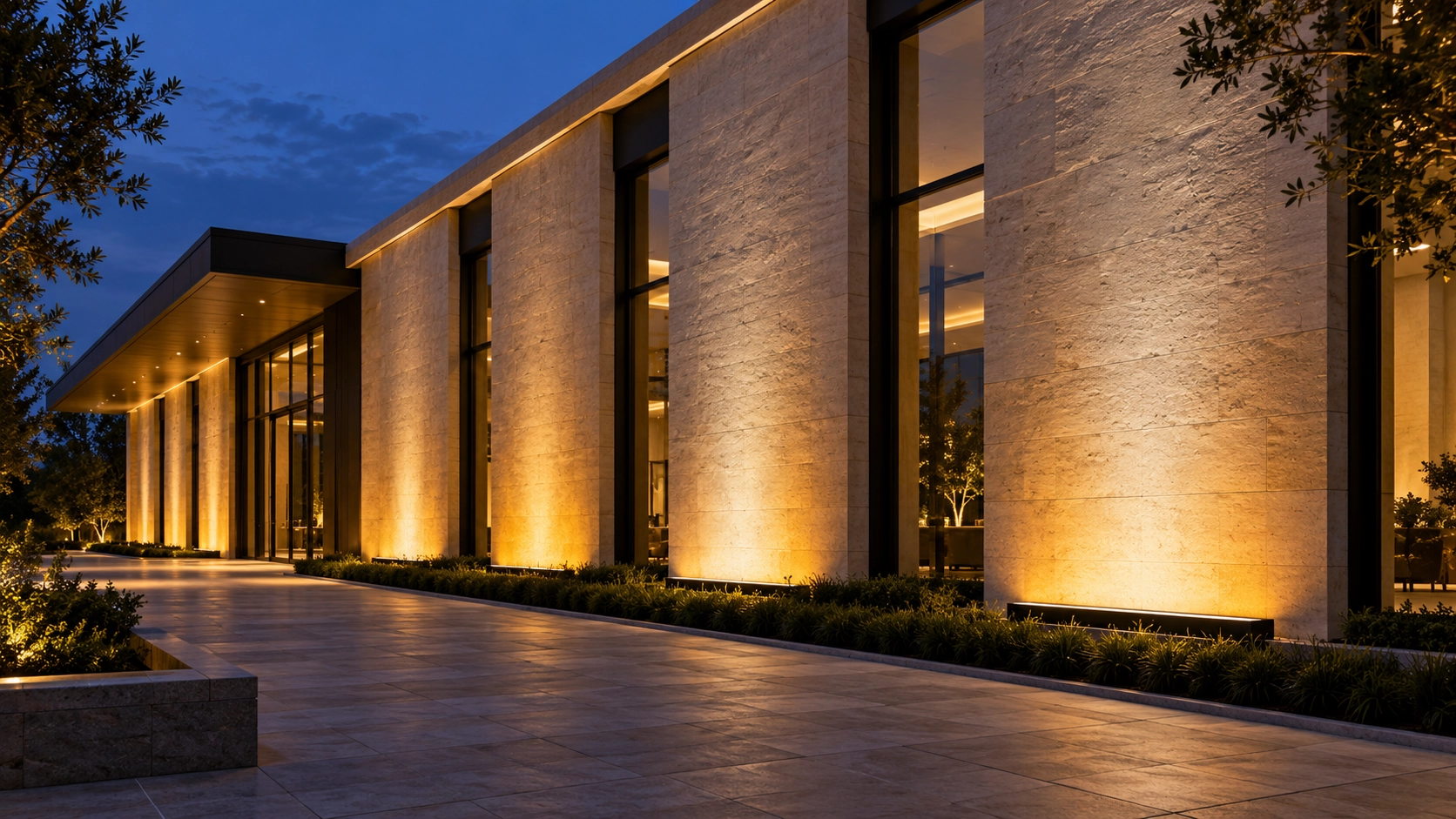
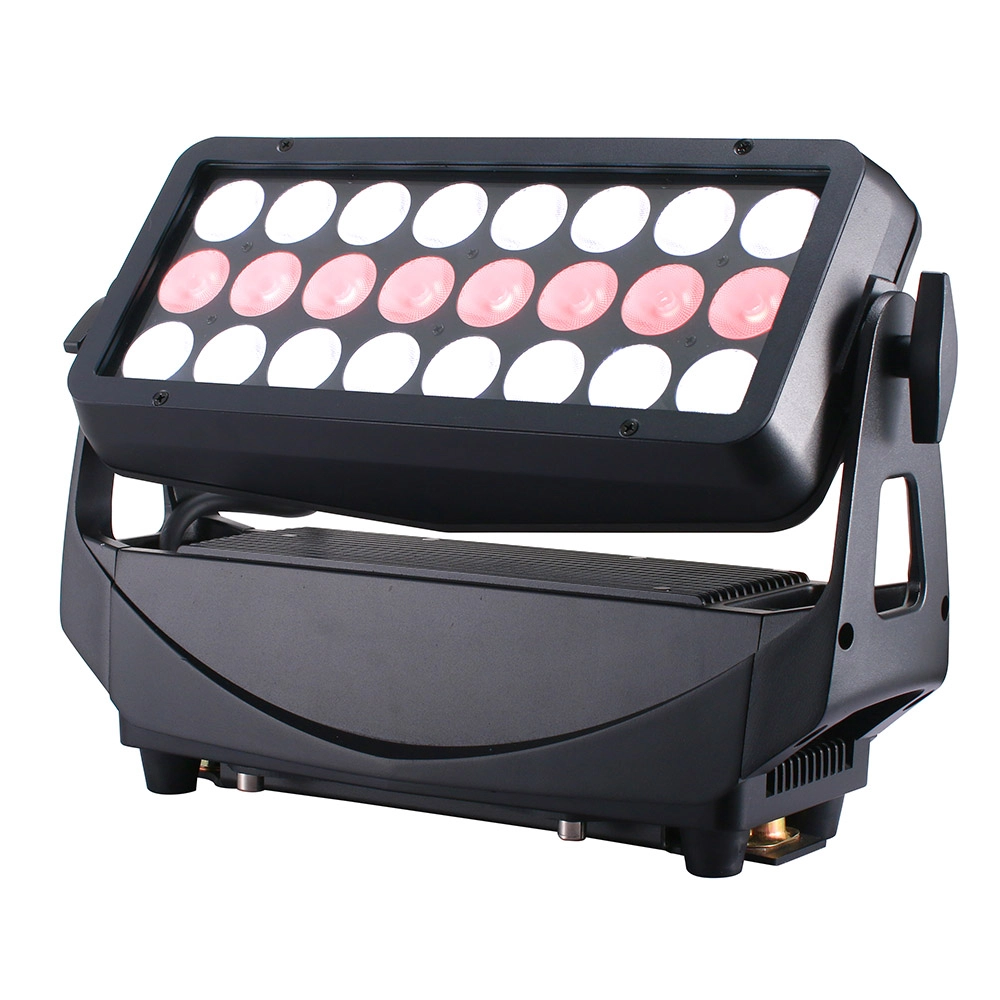
| LED wall wash | Broad scenic or architectural surface coverage | 24x20W RGBW IP65 Wall Wash, 6 segments |
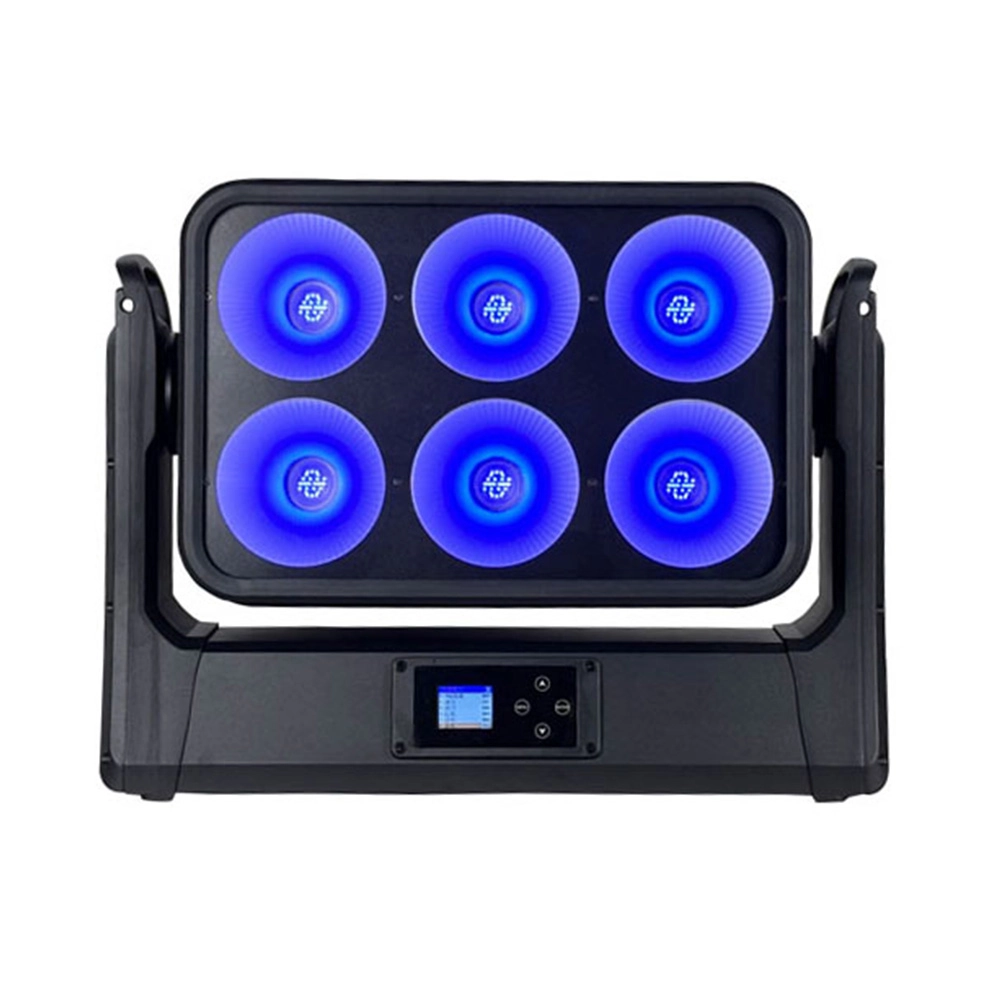
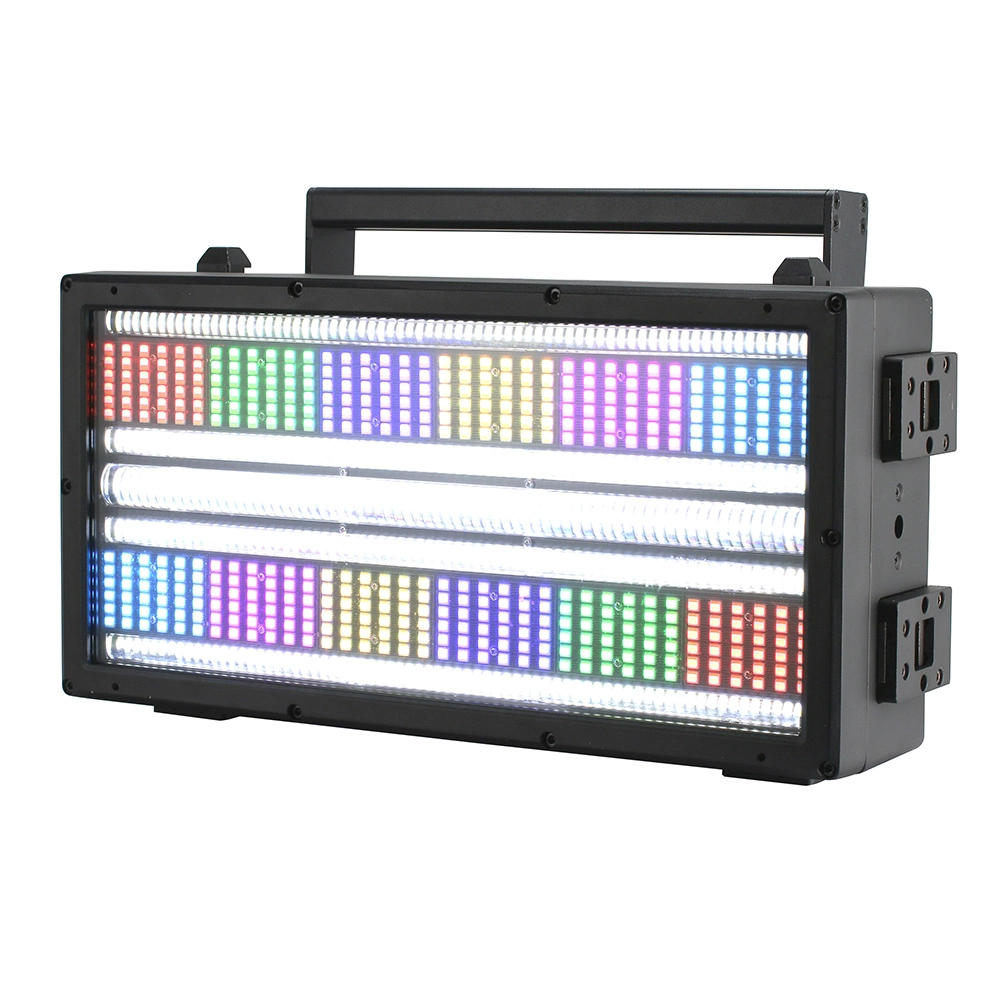
| Blinder/effect light | Stage impact, background and audience-facing effects | 600W RGBALC IP65 Blinder PAR Can |
Frequently Asked Questions About LED PAR Can Lights
What is an LED PAR can light?
An LED PAR can is a stage lighting fixture used to provide colored washes or more concentrated highlights, depending on its optics. Compared with traditional lamp-based PAR cans, LED models commonly provide electronic color mixing and DMX control.
What beam angle is best for a PAR can stage light?
There is no universal best angle. Narrower beams suit selective highlights, while wider beams cover larger areas. Calculate the required coverage using venue dimensions, throw distance and the exact fixture's published optics. Variable-zoom models can support more than one look.
Does RGBW automatically mean accurate white light for filming?
No. An additional white channel can expand color mixing options, but white-light quality, color rendering, dimming behavior and camera compatibility must be checked from the specific fixture's verified measurements and settings.
Will an LED PAR can work with a DMX512 console?
Many professional LED PAR lights support DMX512. Check the exact model's channel modes, connector specifications, fixture profile and addressing requirements; RDM support is model dependent.
Can IP65 LED PAR cans be used outdoors?
An IP65 rating describes dust-tight protection and resistance to water jets under defined test conditions. It does not mean the fixture can be submerged or is appropriate for every weather or installation condition. Follow the manufacturer's instructions for connectors, mounting and site safety.
How can I avoid flicker when filming LED PAR lights?
Ask for the fixture's published dimming and PWM settings, then test it with the intended camera frame rate and shutter settings. Do not assume a fixture is flicker-free without application-specific testing.
Discuss Your PAR Can Lighting Requirements
For a PAR can stage lighting quotation, share the venue or event type, quantity, expected beam coverage, DMX requirements and environmental conditions. Colorful Light can discuss the currently listed model and applicable procurement options.
Request Product Specifications →You May Also Like
Explore the featured PAR can and two related stage lighting categories. The wall washer and blinder below are alternatives for different effects, not additional products in the PAR Can category.

Professional LED Par Can FAQs
What is an LED PAR can light?
An LED PAR can is a stage lighting fixture used to provide colored washes or more concentrated highlights, depending on its optics. Compared with traditional lamp-based PAR cans, LED models commonly provide electronic color mixing and DMX control.
What beam angle is best for a PAR can stage light?
There is no universal best angle. Narrower beams suit selective highlights, while wider beams cover larger areas. Calculate the required coverage using venue dimensions, throw distance and the exact fixture's published optics. Variable-zoom models can support more than one look.
Does RGBW automatically mean accurate white light for filming?
No. An additional white channel can expand color mixing options, but white-light quality, color rendering, dimming behavior and camera compatibility must be checked from the specific fixture's verified measurements and settings.
Will an LED PAR can work with a DMX512 console?
Many professional LED PAR lights support DMX512. Check the exact model's channel modes, connector specifications, fixture profile and addressing requirements; RDM support is model dependent.
Can IP65 LED PAR cans be used outdoors?
An IP65 rating describes dust-tight protection and resistance to water jets under defined test conditions. It does not mean the fixture can be submerged or is appropriate for every weather or installation condition. Follow the manufacturer's instructions for connectors, mounting and site safety.
How can I avoid flicker when filming LED PAR lights?
Ask for the fixture's published dimming and PWM settings, then test it with the intended camera frame rate and shutter settings. Do not assume a fixture is flicker-free without application-specific testing.
◼
Product Recommendations
You May Also Like




◼
Get in Touch
Get Started with Stage Lighting Project
Want to transform your stage or venue with Colorful Light?
Explore our solutions and let us create a memorable lighting experience for your event.
Colorful Light is a professional LED stage lighting manufacturer that provides dynamic and reliable lighting solutions to customers worldwide.
© 2026 Colorful Light. All Rights Reserved.

Facebook
Instagram
LinkedIn
YouTube
Tik Tok