


Stage Lighting Equipment | Insights by Colorful Light
Quick Answer
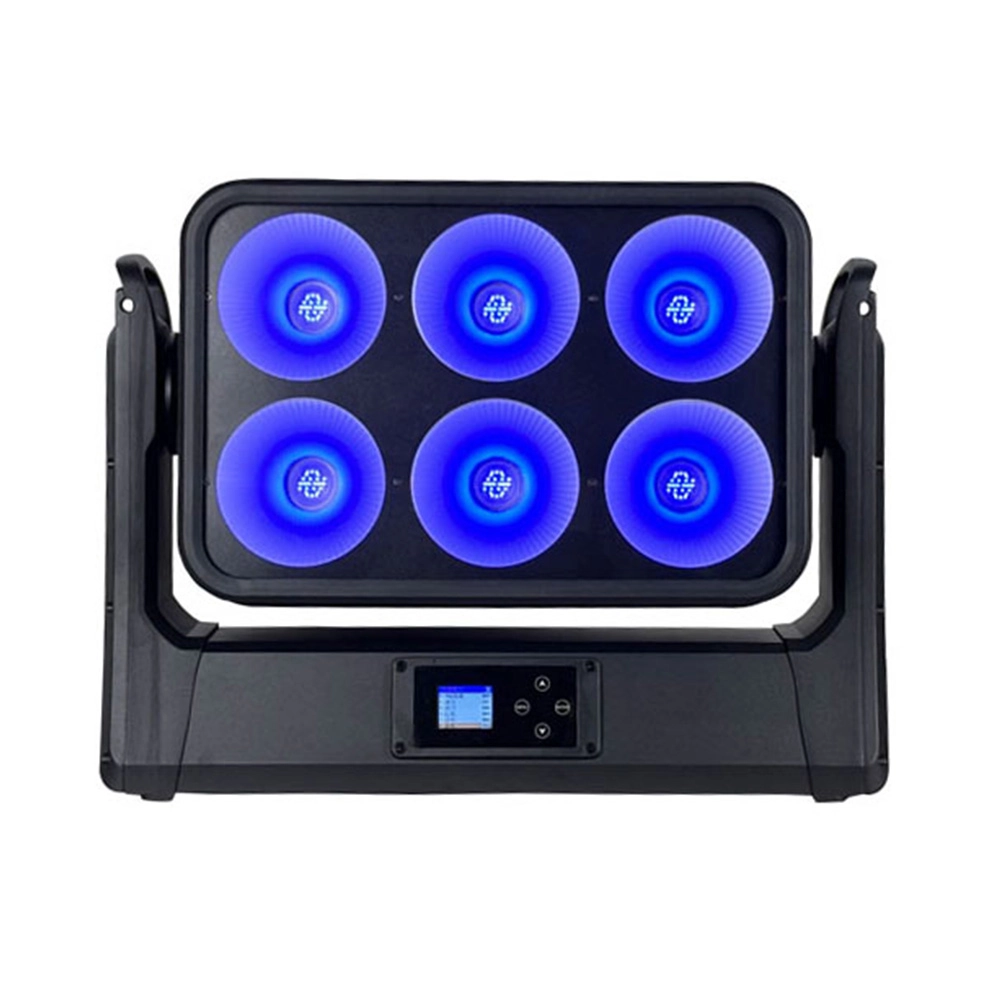
Selecting professional stage lighting equipment requires a balance of luminous efficacy, color consistency, and thermal stability. At Colorful Light, we prioritize high-efficiency LED technology to ensure long-term performance in demanding environments. Key technical parameters include the Color Rendering Index (CRI), beam angle precision, DMX512 protocol compatibility, and heat dissipation efficiency. Final hardware configurations depend on specific venue dimensions and lighting design requirements.
How Colorful Light Supports Stage Lighting Projects
Colorful Light, located in Foshan, Guangdong, operates as a specialized manufacturer focusing on the R&D and production of LED stage lights. Our facility implements a rigorous quality control framework where two to three QC members are assigned to each production line to conduct strict inspections during the entire manufacturing process. We utilize high-grade materials and recheck all components before production to maintain stable performance across our CE and RoHS-certified product range.
Our technical capabilities extend to providing low-consumption LED products that meet specific project demands for stability and longevity. We offer a one-year warranty on all equipment and welcome third-party inspections to verify our quality standards. Please note that MOQ, lead times, and specific quotations are determined on a per-project basis to ensure total customer satisfaction and optimal resource allocation.
Consult on Your Stage Lighting Requirements
To receive a tailored technical proposal and quotation, please provide your project details including venue dimensions, required lux levels, preferred control protocols, mounting heights, and total unit count. Our engineering team can discuss specific LED configurations and integration options to meet your performance goals. Contact our sales department via www.colorfullight.net or email your specifications to sales@colorfullight.net.
Deep-Dive Stage Lighting FAQs
How does thermal management affect LED stage lighting lifespan?
Thermal management is the most critical factor in LED longevity. High-power LEDs generate significant heat at the junction point; if not dissipated via high-grade aluminum heat sinks or active cooling systems, the phosphor coating degrades, leading to color shift and premature lumen depreciation. Professional fixtures utilize advanced thermal sensors to throttle power if temperatures exceed safe thresholds.
What are the differences between RGBW and COB LEDs?
RGBW LEDs utilize discrete red, green, blue, and white diodes to create color mixing, often resulting in multiple shadows if not properly diffused. Chip-on-Board (COB) technology packages multiple LED chips into a single module, creating a dense, uniform light source that behaves more like a traditional halogen lamp with superior color blending and a single, clean shadow.
Why is DMX512 the industry standard for lighting control?
DMX512 (Digital Multiplex) is a robust unidirectional protocol that allows a single controller to manage up to 512 channels of data. Its prevalence is due to its simplicity and reliability over long cable runs using RS-485 physical layers. It enables precise 8-bit or 16-bit dimming and movement, ensuring interoperability between different manufacturers' equipment.
How do IP ratings impact outdoor stage lighting choices?
IP (Ingress Protection) ratings define the fixture's resistance to solids and liquids. For temporary outdoor stages, an IP65 rating is standard, indicating the unit is dust-tight and protected against water jets. Using non-rated equipment outdoors, even under cover, risks catastrophic failure due to humidity and condensation affecting the internal PCB and power supply.
What role does PWM frequency play in video production?
Pulse Width Modulation (PWM) is the method used to dim LEDs. If the PWM frequency is too low, it will synchronize with a camera's shutter speed, causing visible flickering or horizontal bands on video. Professional stage lighting equipment typically offers high-frequency PWM (above 1200Hz) or adjustable frequencies to ensure flicker-free performance for broadcast and recording.
Why is CE and RoHS certification essential for lighting?
CE certification indicates that the equipment meets European health, safety, and environmental protection standards, particularly regarding electromagnetic interference (EMI). RoHS (Restriction of Hazardous Substances) ensures the fixture is free from toxic materials like lead and mercury. For B2B buyers, these certifications are mandatory for insurance compliance and workplace safety regulations.
◼
Product Recommendations
You May Also Like

◼
Get in Touch
Get Started with Stage Lighting Project
Want to transform your stage or venue with Colorful Light?
Explore our solutions and let us create a memorable lighting experience for your event.
Colorful Light is a professional LED stage lighting manufacturer that provides dynamic and reliable lighting solutions to customers worldwide.
© 2026 Colorful Light. All Rights Reserved.

Facebook
Instagram
LinkedIn
YouTube
Tik Tok