


Stage Strobe Lights: DMX Control, Effects & Buying Guide
- Stage Strobe Light Types and Their Functions
- Flash Rate, Duration and Visible Intensity
- LED vs. Xenon Strobes: Technical Differences
- DMX512, RDM, Art-Net and sACN
- Synchronizing Multiple Stage Strobes
- IP Ratings and Outdoor Electrical Planning
- Photosensitivity and Audience Safety
- Comparing Current Colorful Light Stage Strobe Models
- Real Moving Head and Matrix Strobe Product Cards
- Related Blinder and Wash-Strobe Products
- Maintenance, Cooling and Rigging
- B2B Stage Strobe Purchasing Checklist
- Frequently Asked Questions About Stage Strobe Lights
- What is a stage strobe light used for?
- How does DMX512 control a stage strobe light?
- Can several stage strobes be synchronized?
- What is the difference between a moving head strobe and a matrix strobe?
- Does IP65 make a strobe suitable for every outdoor event?
- What flash frequency is safe for audiences?
- What should B2B buyers confirm before ordering?
- Request Stage Strobe Product Specifications
- Frequently Asked Questions
QUICK ANSWER
What is a stage strobe light? It is a fixture that produces controlled flashes for music cues and stage movement. LED models may generate white flashes, colored patterns, blinder effects and motorized movement. The right fixture depends on its optical output, flash control, DMX profile, mounting requirements, environmental rating and the venue's audience-safety plan.
A professional LED stage strobe light is more than a high-wattage light source. Its LED arrangement, optics, flash duration, pixel segmentation and dimming behavior all influence the effect that the audience sees. For product availability, start with the strobe lighting collection and the related blinder and strobe fixtures. The technical sections below explain how to distinguish models and plan an appropriate B2B purchase.
Key Takeaways
Fixture type: Matrix, moving-head and blinder lights serve different visual roles.
Control: Match the exact fixture profile, DMX attributes and network support.
Outdoor projects: Verify the IP rating, power distribution and connectors.
Safety: Include audience exposure and strobe timing in the show risk assessment.
Stage Strobe Light Types and Their Functions
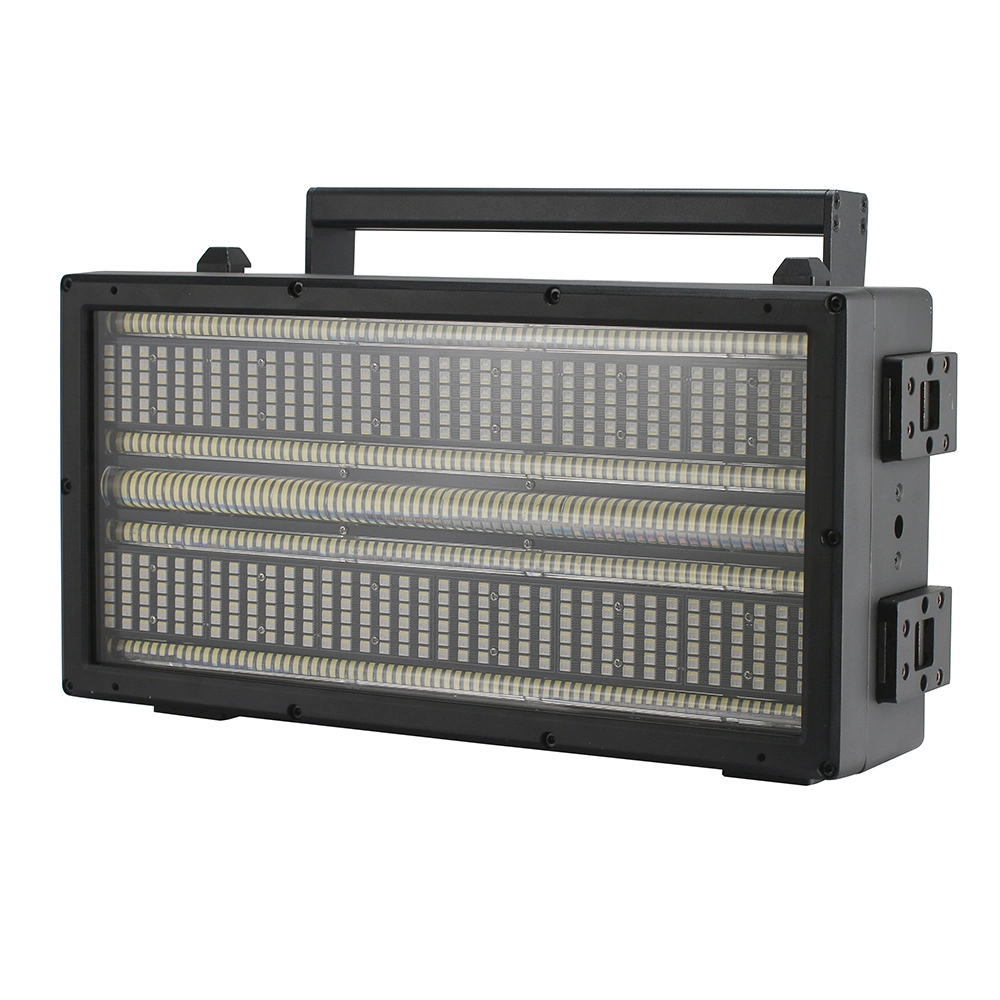
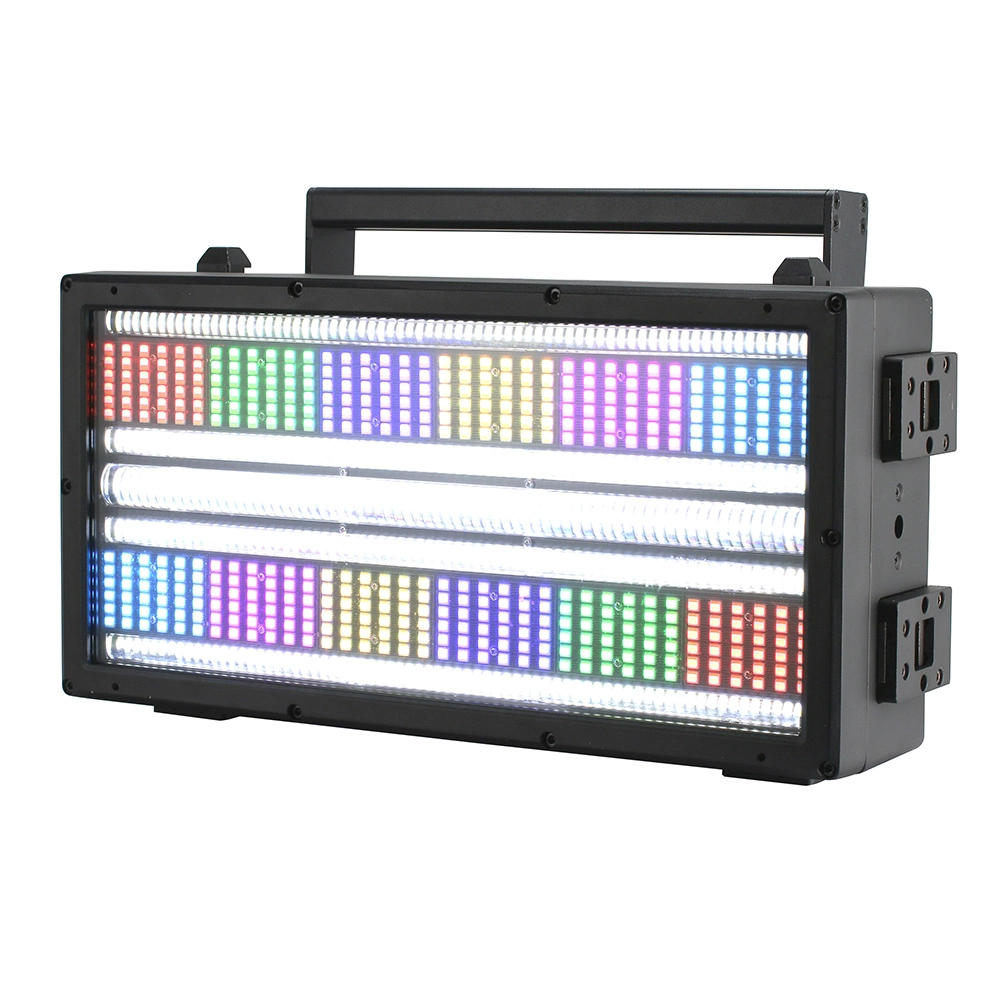
A matrix strobe generally places many LED emitters across a panel. Depending on its internal control, it may create white flashes, multicolor patterns or segmented effects. A moving-head strobe combines a flash system with motorized aiming, allowing lighting designers to redirect the output in cues. Audience blinders emphasize controlled high-impact washes or accents, sometimes using RGBALC or RGBW color. The names may overlap in a catalog, but they do not establish identical output or channel functions.
A rental fleet may need matrix strobes for background patterns and moving strobes for changing targets. A festival rig may include audience blinders for short highlights, but those effects require especially careful intensity and viewing-angle planning. Start with the production's visual goals, not only the fixture's advertised power. A smaller number of correctly specified and positioned units can be more useful than a large inventory that cannot create the necessary programmed looks.
| Fixture format | Typical role | Technical check |
|---|---|---|
| LED matrix strobe | White or RGBW flashes and patterns | Segments, optics, fixture size, DMX modes |
| Moving head strobe | Flashes with dynamic aiming | Tilt range, clearance, electrical loading, rigging |
| Audience blinder | Planned audience-facing bright accents | Angle, intensity, control and risk procedures |
| Hybrid wash/strobe | Color coverage and transient strobe looks | Compatible modes and simultaneous functions |
Flash Rate, Duration and Visible Intensity
Flash rate describes how frequently a strobe is commanded to produce a pulse, commonly expressed in hertz. Flash duration describes how long each pulse remains on. A rapid sequence of short flashes has a different appearance from slower flashes with longer pulses. Some fixtures permit independent adjustment of these parameters, while others offer fixed macros or limited channel options. There is no universal strobe frequency range that accurately describes every fixture in a manufacturer's catalog.
The appearance of a flash is influenced by luminous output, optics, stage distance, surrounding light and reflective surfaces. Wattage alone is not an adequate measure of the effect's usefulness because LED efficiency and beam distribution vary. For a large arena or outdoor stage, ask for measured output data under stated conditions if available. Test the product with representative distances and cue patterns. RGB or RGBW pixels may also require more channels than a basic white strobe effect.
Some stage strobes combine white LED lines with separate RGB effects. These may be controlled independently or through shared scene macros, depending on the fixture. Before ordering multiple units for a rental system, request a current channel chart showing dimming, flash control, color, segmentation and any pixel functions. Consistent firmware and personality files matter when reproducing the same visual sequence across a fleet.
LED vs. Xenon Strobes: Technical Differences
Traditional xenon strobes use gas-discharge flash technology, while LED strobes use semiconductor light sources that may support digital dimming and independent color channels. Their optics, thermal demands and perceived white-light character can differ. A broad claim that LEDs always consume less energy or universally replace any xenon fixture is not an engineering specification. What matters is the output produced under the actual operating mode and installation conditions.
When replacing an older strobe system, compare pulse appearance, usable coverage, electrical distribution, heat and replacement-parts availability. The same nominal wattage does not guarantee a matching visual result. The real Colorful Light products referenced here are LED fixtures; the presence of this technology comparison should not be interpreted as a claim that Colorful Light currently sells a xenon product line.
DMX512, RDM, Art-Net and sACN
DMX512 is used to transmit control values from a console to compatible lighting fixtures. Depending on the selected personality, channels can regulate dimming, flash rate, colors, macros, segments or motorized movement. Different channel modes often trade detailed pixel control for simpler programming. Consequently, a generic statement that a strobe supports DMX does not establish which of those functions the controller can operate independently.
RDM offers bidirectional communication where the fixture and the wider control chain support it. Art-Net and sACN can transport lighting data over networks in productions using many fixtures or universes. Each protocol needs to be verified for the exact model, rather than inferred from another product in the category. Addressing, switching, priority rules, fixture processors and control nodes affect reliability, so a network-compatible label cannot be treated as a guarantee of perfect cue timing.
For example, Colorful Light's 1500W IP65 LED Moving Head Strobe lists DMX512/RDM, Art-Net, sACN and 185-degree tilt. Other models in this category have different published descriptions. Buyers should ask for the current fixture personality, network setup instructions and software revisions before programming the lighting console.
Synchronizing Multiple Stage Strobes
Several fixtures can be coordinated from one lighting console, whether the goal is a simultaneous flash or a traveling chase. The visible result depends on the DMX patch, fixture response, selected effects and physical placement. In a large stage setup, differences in distances, output angles and fixture brightness can alter the audience's impression of synchronization. That is why even apparently simple chase effects should be checked with the actual rig.
For multi-universe shows, document the data distribution through splitters, nodes and network equipment. Test blackout recovery, controller failures, fixture reset behavior and transitions between different effect modes. Some fixtures may have different processing times, especially when mixing models. Operators should therefore avoid promising zero-delay effects without measuring the installation. Repeatable rehearsed timing is a better objective than an untested claim.
IP Ratings and Outdoor Electrical Planning
IP65 refers to resistance to dust and water jets under defined test conditions. It does not mean a fixture can be immersed, exposed indefinitely to every storm or installed with unsuitable connectors. Outdoor stage systems require correct power distribution, grounding, cables, mounting and a venue weather plan. Equipment that is weather-rated still depends on the condition and correct assembly of its covers, seals and connection points.
An indoor strobe must not be treated as weather-rated simply because it uses LED technology. For each candidate, request the current product rating and permitted operating environment. Rental personnel should inspect the exterior, cables and sealing after transportation or repair. Where an IP-rated fixture is opened for servicing, restoring its environmental protection according to the manufacturer's instructions is essential before redeployment.
Electrical planning must use documented input voltage, current, grounding and power-distribution requirements. A model name such as 600W or 1500W is not a complete electrical specification, and operating demands may vary between a single flash and a sustained effect. Qualified technicians should also assess mounting loads, circuit capacity and the venue's cable route before the equipment is installed.
Photosensitivity and Audience Safety
Fast or intense flashing can cause discomfort and can create risks for people with photosensitive conditions. No one flash frequency, brightness level or duration makes a strobe effect risk-free for every audience. The risk depends on the combination of intensity, fixture count, sightline, reflection, effect duration, viewing distance and the characteristics of the event. Relevant guidance, venue procedures and professional risk assessment should shape the lighting design.
A show plan should identify when strobes may be used, who may enable them and how the effect can be disabled if necessary. Audience notices and non-strobe alternatives can be appropriate, depending on the setting. Unexpected audience-facing sequences are particularly important to avoid. Generic manufacturer advice cannot replace the responsibility of assessing the actual programmed show and responding to venue requirements.
Comparing Current Colorful Light Stage Strobe Models
The following examples come from currently published backend product records. They are not independent performance rankings. Nominal wattage is included as part of each product name, not as a measurement of photometric output or a confirmed maximum circuit requirement. Buyers should check full model-specific documentation and current firmware before specifying quantities for a project.
| Listed product | Documented focus | Project verification |
|---|---|---|
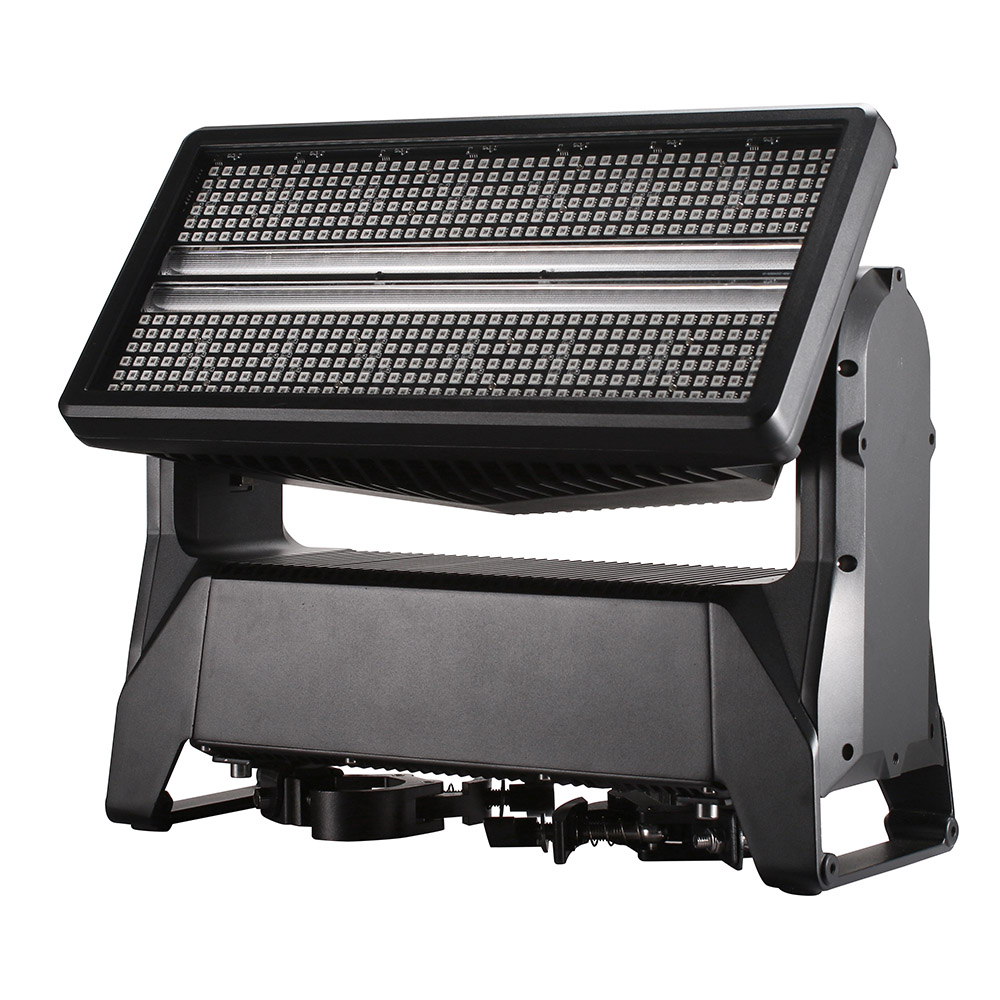
| 1500W IP65 Moving Head Strobe | RGB/white LEDs, 185-degree tilt, DMX512/RDM, Art-Net, sACN | Electrical data, DMX chart, rigging, network settings |
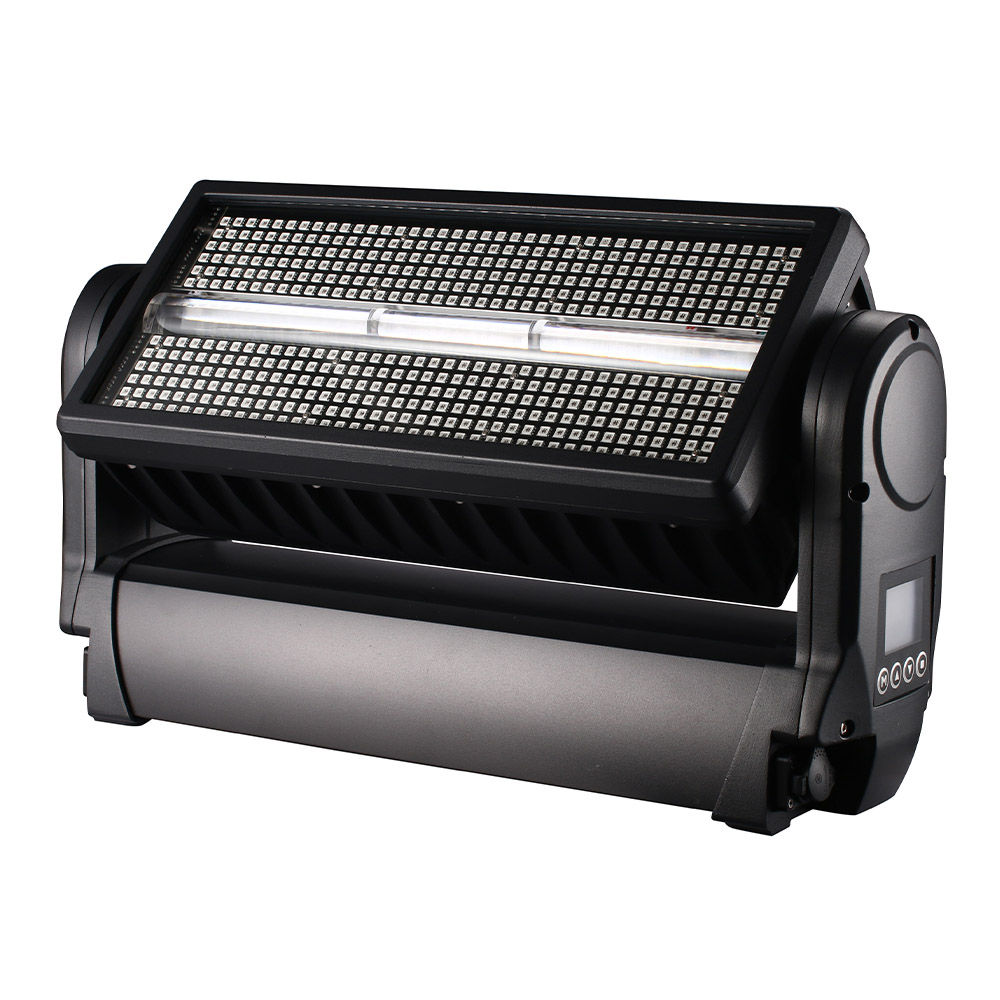
| 1000W IP65 Moving Head Strobe | RGB and white LED sections, DMX512/RDM | Pixel map, electrical load and control behavior |
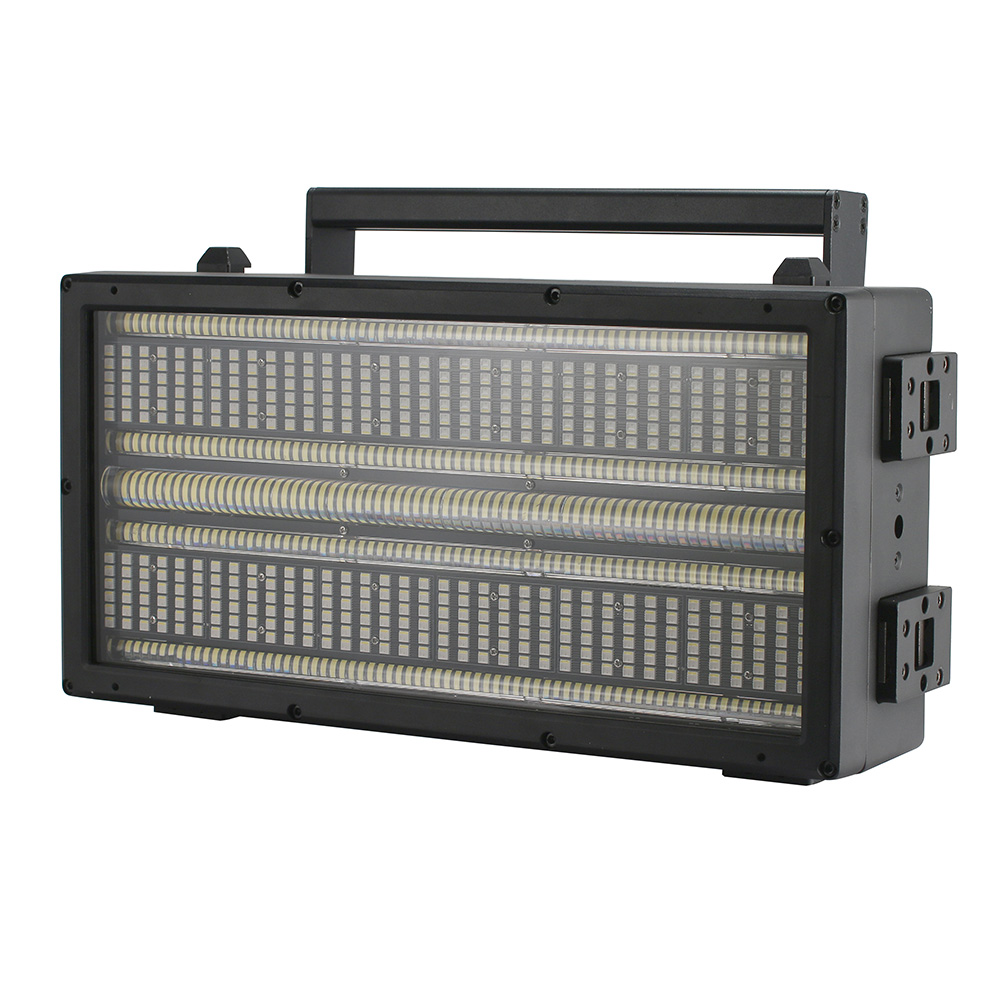
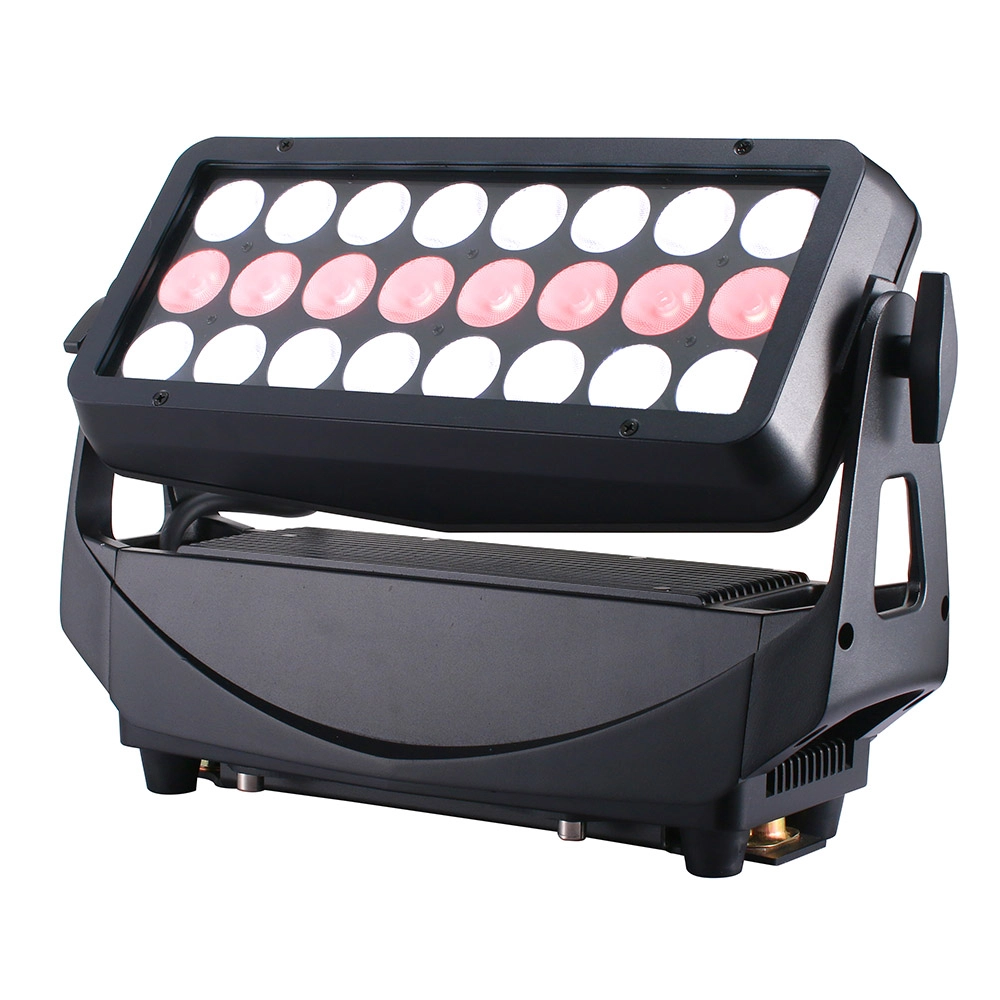
| Epic 600W RGBW Matrix Strobe | RGBW matrix effects and DMX512 | Exact enclosure rating, segments and connection requirements |
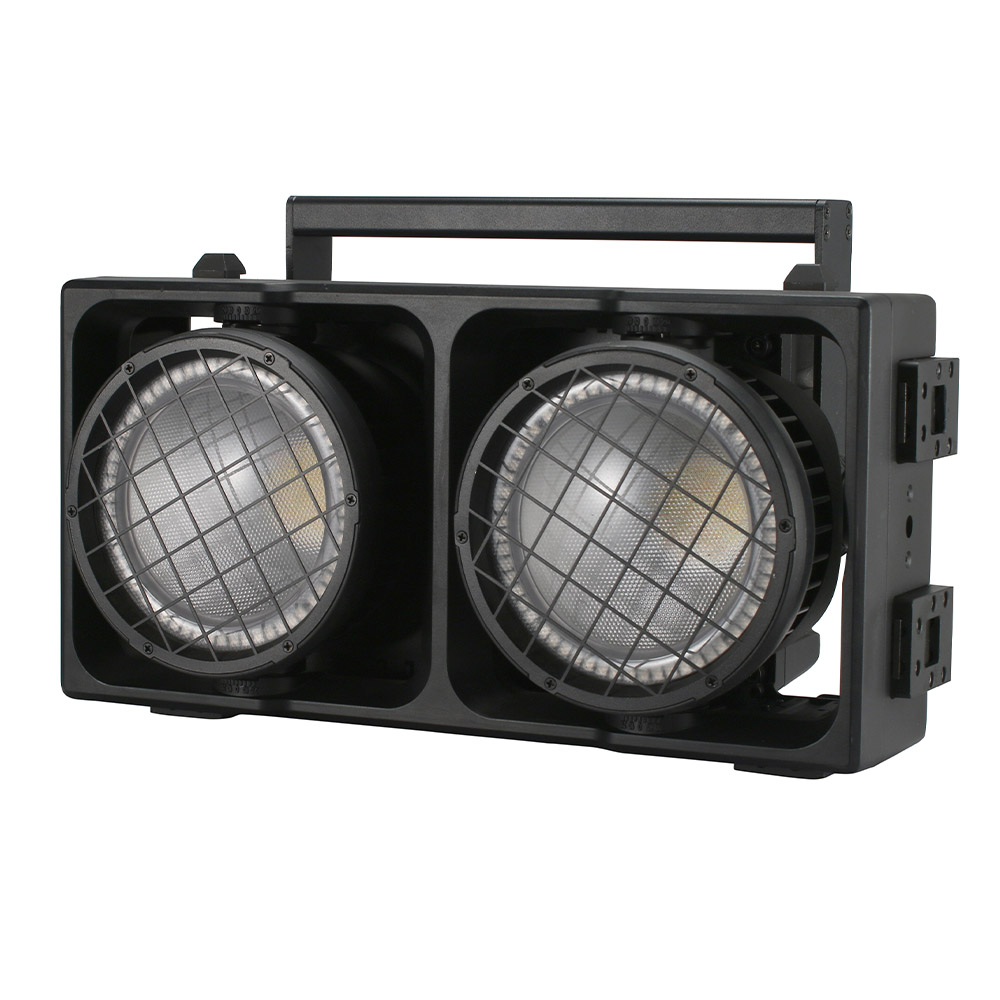
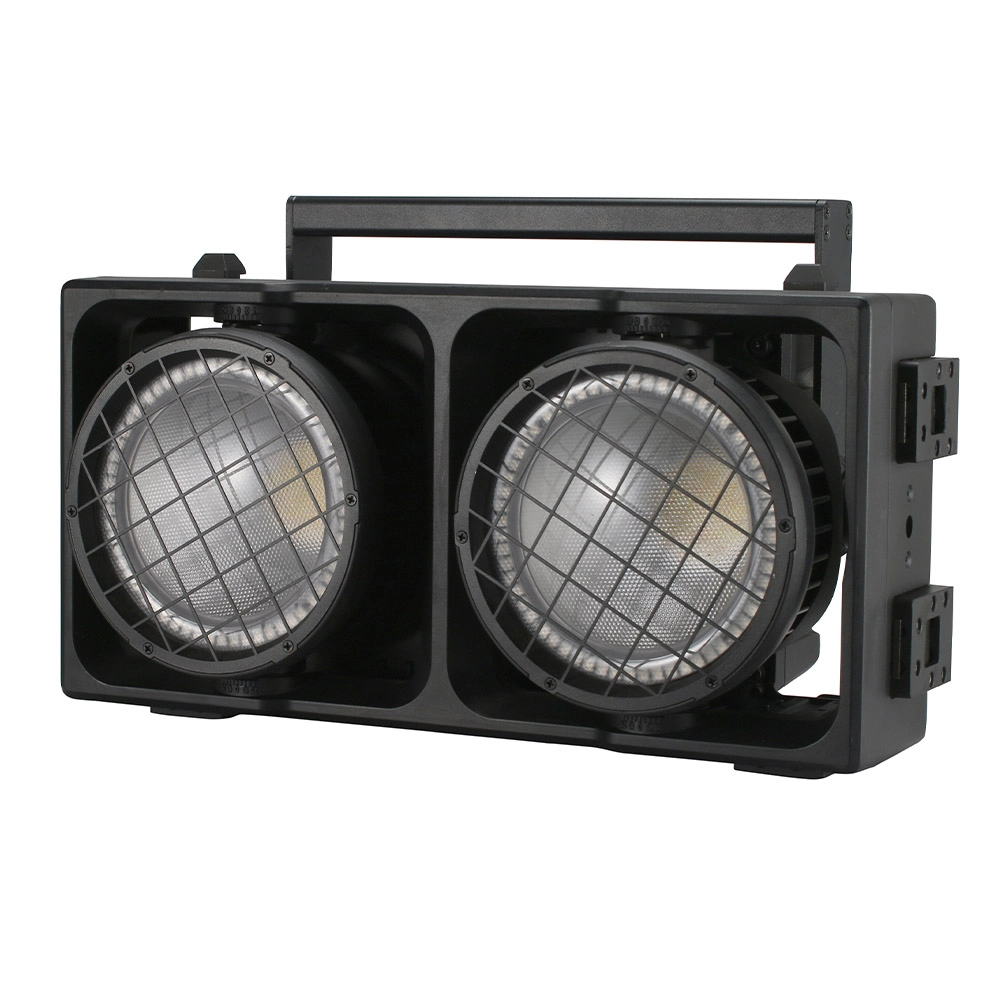
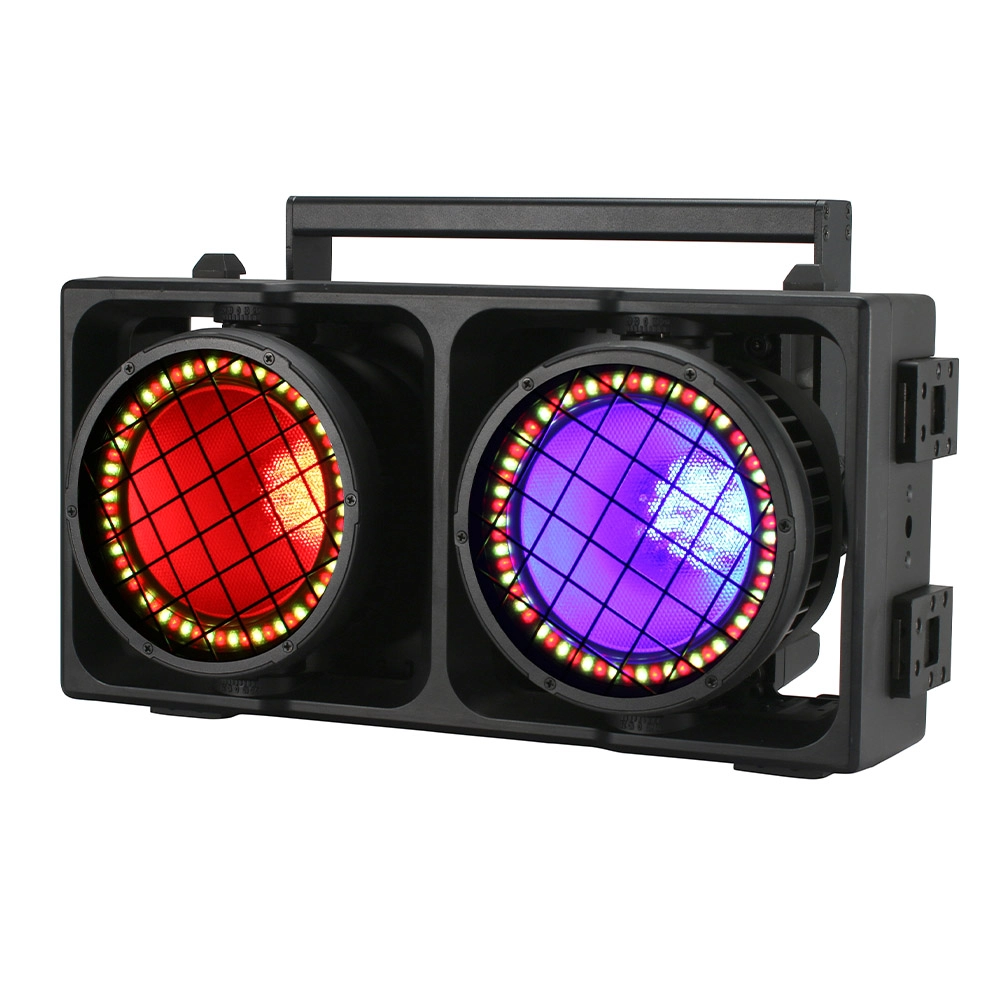
| 2 Eye RGBALC IP65 Blinder | Dual-lens RGBALC audience accent | Output angles, mounting and intensity management |
Real Moving Head and Matrix Strobe Product Cards
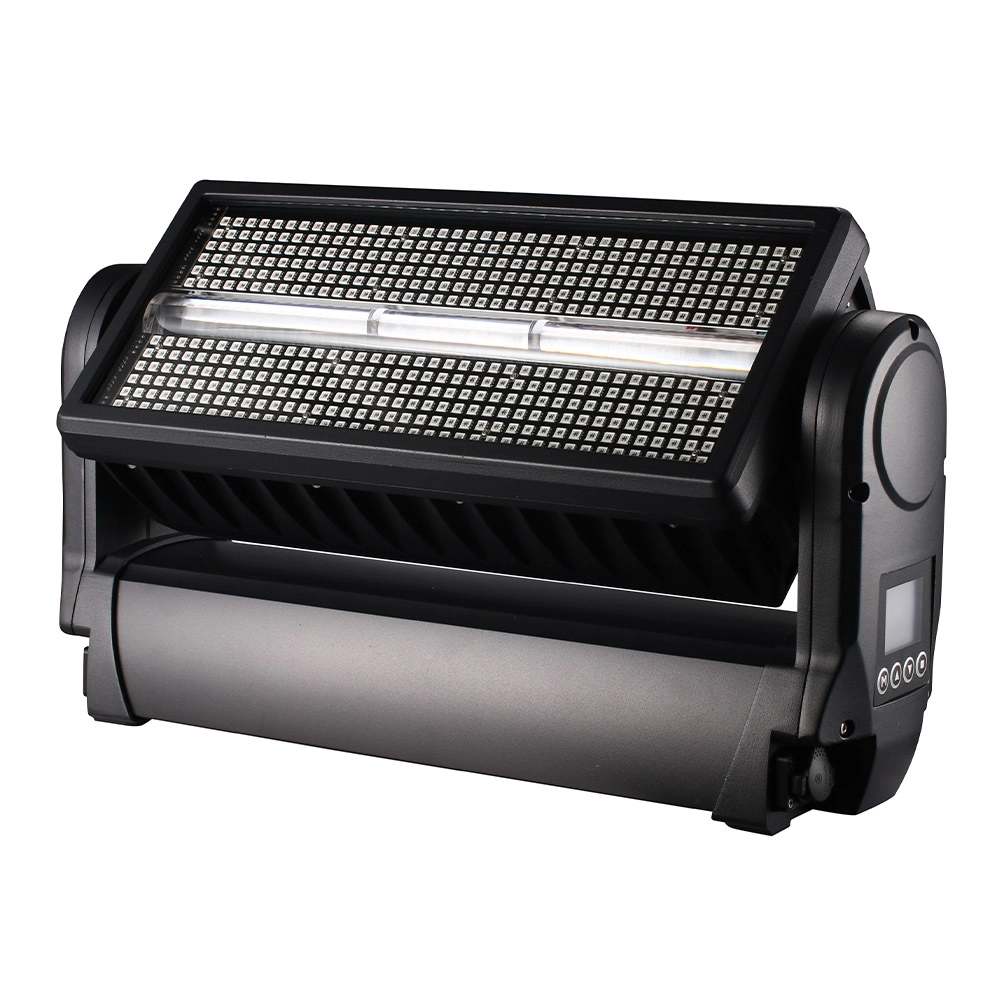
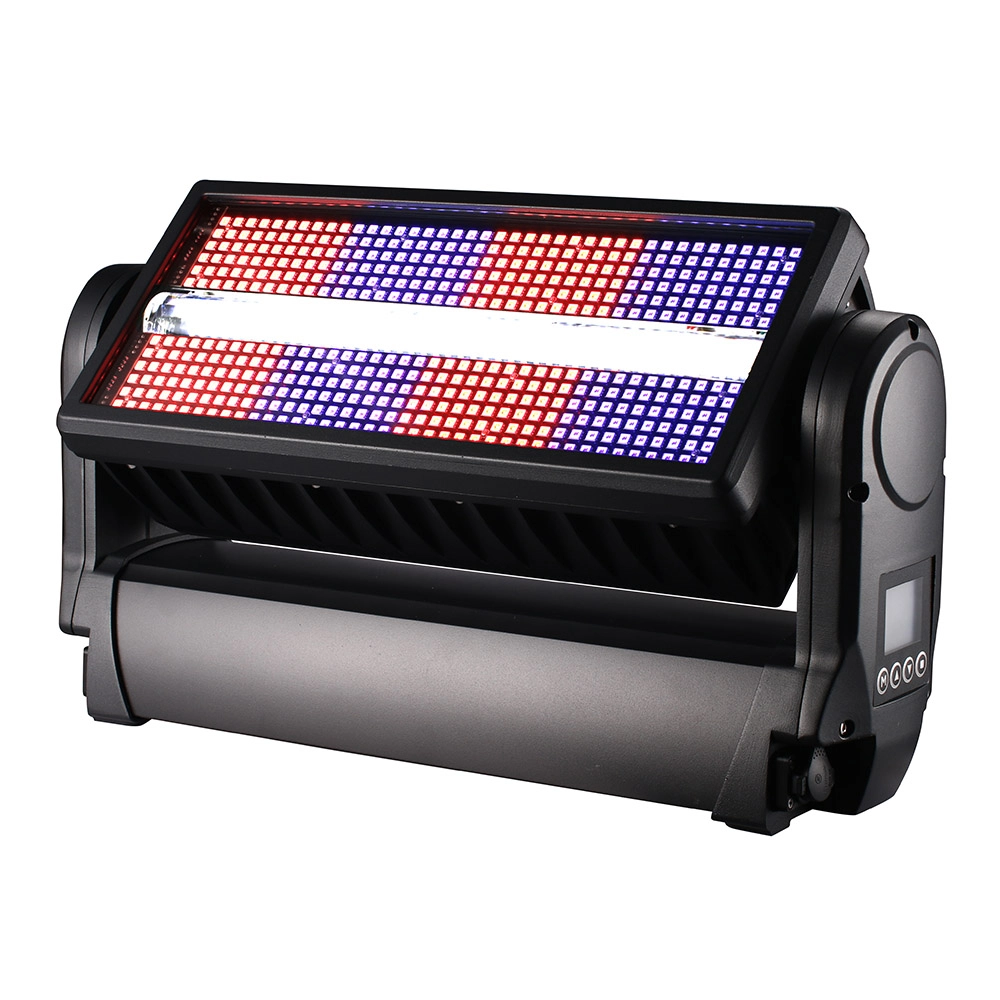
Three product examples help illustrate differences between a moving-head strobe and an RGBW matrix arrangement. Their existing product pages provide a starting point for a supplier inquiry, but the formats should not be ranked by wattage alone. To compare useful output, obtain current technical documentation and verify the control system planned for the event.
Related Blinder and Wash-Strobe Products
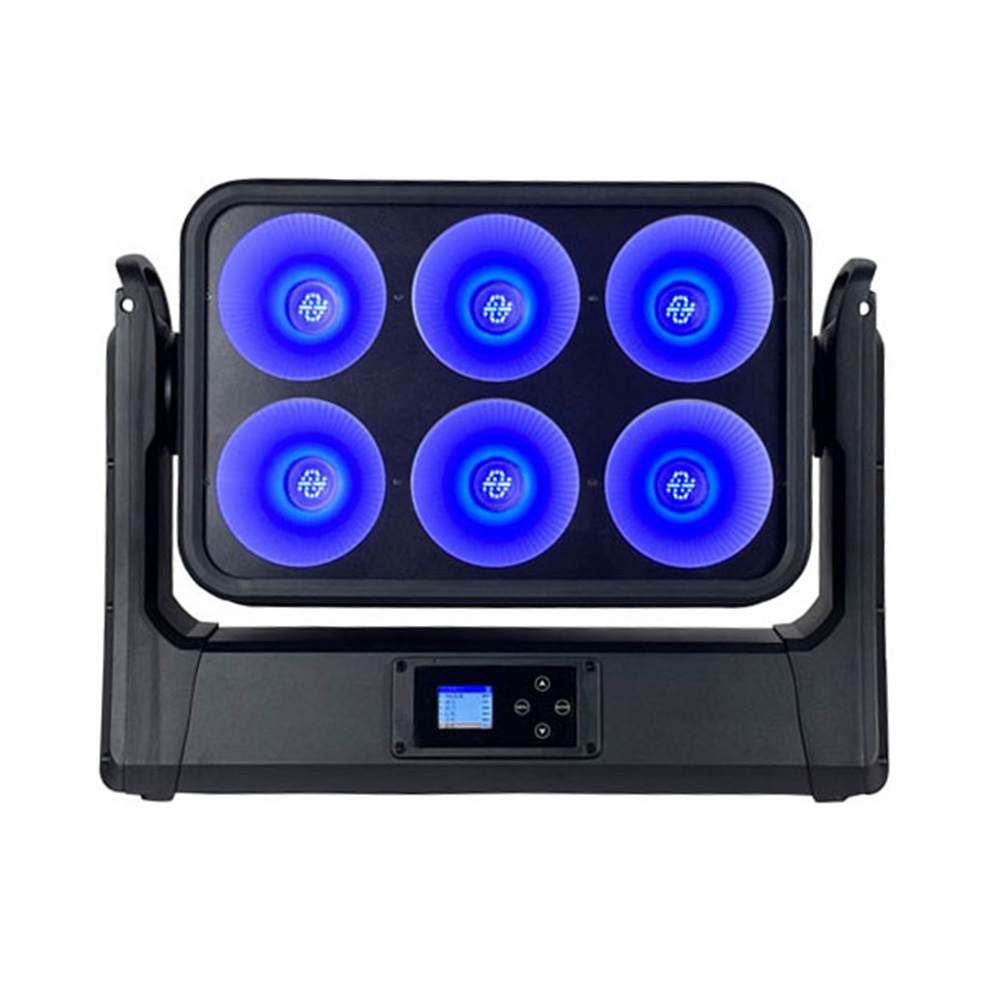
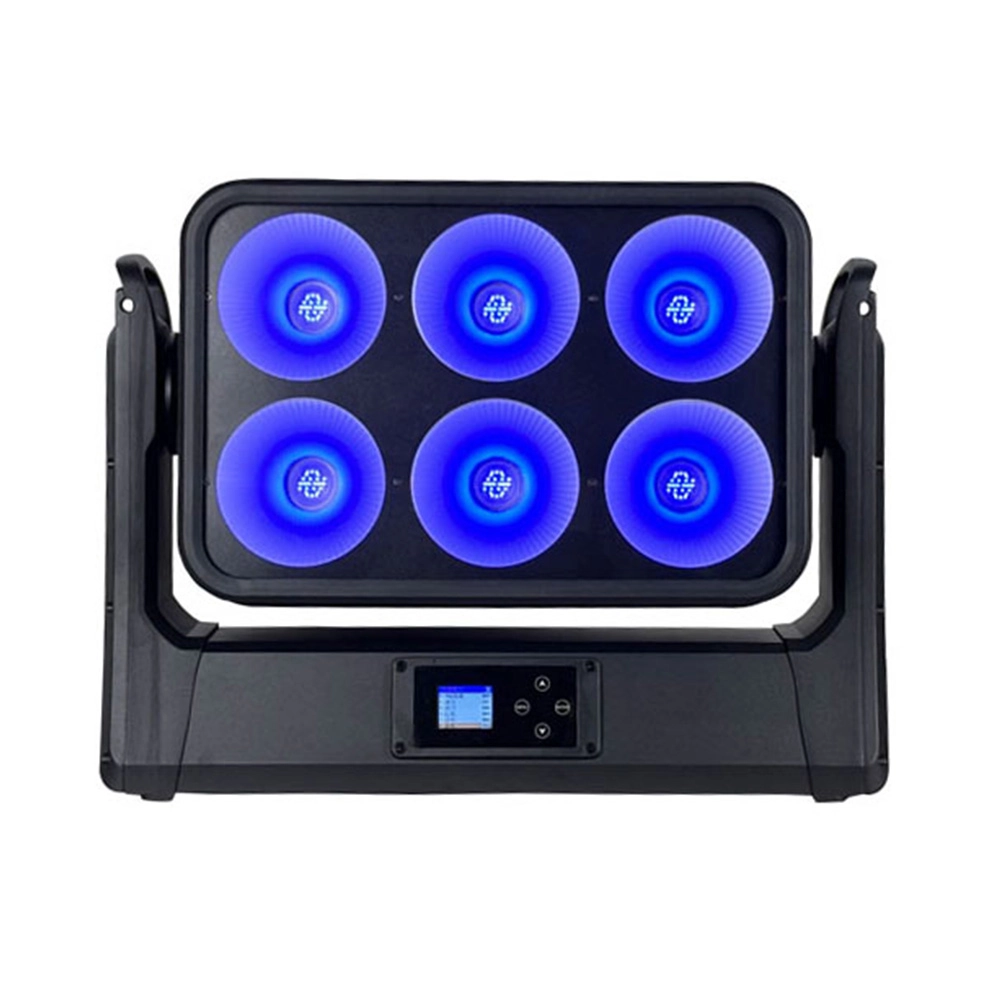
Some designs call for audience-facing flashes or a sustained accent more than a classic rapid white strobe. In those cases, RGBALC blinders and moving RGBW blinder units may be useful alternatives. These product types overlap visually but can differ substantially in optics, movement and programming. Buyers should check the actual mode table and the venue's audience-safety requirements before treating one fixture as a direct substitute for another.
The verified listings below show an IP65 two-eye blinder and a six-source IP65 moving head blinder. Their environmental designations do not remove the need for suitable electrical distribution, connectors and qualified rigging. Lighting operators should review audience-facing angles and operating levels during rehearsals.
Maintenance, Cooling and Rigging
Touring fixtures face vibration, handling, repeated rigging and dust or residue from stages. Routine checks should include lenses, housings, connectors, fasteners, clamps, seals and any cooling openings. Cleaning and internal servicing should follow the particular product manual. A weather-rated fixture still needs inspections after transportation, because a damaged gasket or connector can undermine the protection indicated by its rating.
Heat management matters during rapid pulses and long programmed effects, but the cooling design varies by model. Some fixtures use temperature-controlled airflow or other thermal protections; none of these details should be assumed across an entire range. Buyers should ask about maintenance intervals, spare parts and fan noise where it matters. There is also no verified universal lifetime or burn-in testing claim for every product in this collection.
For suspended installation, qualified personnel need to confirm the installed load and approved mounting accessories. Secondary safety attachments must be used where the relevant standard or manufacturer requires them. Moving head lights additionally need a clear motion envelope for cables, scenery and nearby fixtures. A pre-show commissioning sequence should test the planned effects, controller response and shutdown procedures.
B2B Stage Strobe Purchasing Checklist
A useful RFQ identifies the event, stage size, throw distance, desired flash or color effect, fixture quantity and indoor or outdoor conditions. It should also name the lighting console and any network protocols. These details make it possible to request comparable information from suppliers rather than relying on a vague specification for a high-power strobe.
Beyond the purchase price, consider flight-case requirements, service access, firmware support, replacement parts and any destination-market documentation. The installation team will need electrical and rigging information well before the first show. Document the final configuration so that a rental fleet can reproduce successful cues when equipment moves between venues.
| Procurement factor | Information to request | Why it matters |
|---|---|---|
| Visual effect | White flash, RGB matrix, moving head or blinder | Prevents a mismatch with the lighting plot |
| Output and optics | Available photometric data and measurement conditions | Allows practical visual comparisons |
| Programming | DMX charts, channel modes, macros, pixel controls | Supports console compatibility |
| Environment | Exact IP rating, connectors and operating limits | Supports the venue's conditions |
| Electrical and rigging | Input data, weight, mounting and movement clearance | Helps plan safe installation |
| Support | Warranty terms, manuals, spares, accessories and delivery | Improves lifecycle management |
When continuous stage color coverage is more important than flash effects, the moving head wash light technical guide covers zoom, RGBW mixing and optics in greater detail. This distinction keeps the current article focused on technical strobe-light selection rather than competing with the general wash-light or product-category pages.
Frequently Asked Questions About Stage Strobe Lights
What is a stage strobe light used for?
A stage strobe light produces controlled flashes for rhythmic accents, perceived stop-motion looks and scene transitions. LED models may offer colored pixels or blinder-style output in addition to white flashes. The appropriate fixture depends on the visual plan, controller, venue and audience conditions.
How does DMX512 control a stage strobe light?
DMX512 sends values to channels defined by the fixture's selected personality. Depending on the model, those channels can control dimming, flash rate, pulse behavior, RGB effects, macros or movement. Buyers must request the exact DMX chart rather than assuming a universal channel layout.
Can several stage strobes be synchronized?
Yes, a console can coordinate cues across compatible fixtures, but real-world timing depends on patching, fixture processing and data routing. Large rigs may involve multiple universes or network transport. Test every intended cue with the installed equipment rather than assuming zero latency.
What is the difference between a moving head strobe and a matrix strobe?
A moving head strobe combines lighting effects with motorized aiming. A matrix strobe emphasizes an array or panel of light sources and may offer segmented patterns. Those descriptions do not guarantee identical LED output, control options or environmental ratings.
Does IP65 make a strobe suitable for every outdoor event?
No. IP65 describes specific dust and water-jet resistance under test conditions. Outdoor use still requires suitable connectors, distribution equipment, approved mounting, maintenance and weather procedures. Confirm the exact product documentation.
What flash frequency is safe for audiences?
There is no universally safe flash rate for every person or setting. Strobe effects can cause discomfort or risks for photosensitive individuals. Follow applicable guidance and venue rules, assess the actual show and audience, and provide warnings or alternative effects where appropriate.
What should B2B buyers confirm before ordering?
Obtain the current product datasheet, DMX profile, electrical specifications, IP rating, mounting instructions, available photometric information, spare parts, accessories and shipping terms. Confirm the final model and revision for the installation.
Request Stage Strobe Product Specifications
Share the venue type, installation environment, target effects, fixture count and lighting console. Request the current datasheet, control modes, electrical and mounting details for the exact models under consideration. Confirm purchasing terms, accessories and support requirements before ordering.
Request Product Specifications →Frequently Asked Questions
What is a stage strobe light used for?
A stage strobe light produces controlled flashes for rhythmic accents, perceived stop-motion looks and scene transitions. LED models may offer colored pixels or blinder-style output in addition to white flashes. The appropriate fixture depends on the visual plan, controller, venue and audience conditions.
How does DMX512 control a stage strobe light?
DMX512 sends values to channels defined by the fixture's selected personality. Depending on the model, those channels can control dimming, flash rate, pulse behavior, RGB effects, macros or movement. Buyers must request the exact DMX chart rather than assuming a universal channel layout.
Can several stage strobes be synchronized?
Yes, a console can coordinate cues across compatible fixtures, but real-world timing depends on patching, fixture processing and data routing. Large rigs may involve multiple universes or network transport. Test every intended cue with the installed equipment rather than assuming zero latency.
What is the difference between a moving head strobe and a matrix strobe?
A moving head strobe combines lighting effects with motorized aiming. A matrix strobe emphasizes an array or panel of light sources and may offer segmented patterns. Those descriptions do not guarantee identical LED output, control options or environmental ratings.
Does IP65 make a strobe suitable for every outdoor event?
No. IP65 describes specific dust and water-jet resistance under test conditions. Outdoor use still requires suitable connectors, distribution equipment, approved mounting, maintenance and weather procedures. Confirm the exact product documentation.
What flash frequency is safe for audiences?
There is no universally safe flash rate for every person or setting. Strobe effects can cause discomfort or risks for photosensitive individuals. Follow applicable guidance and venue rules, assess the actual show and audience, and provide warnings or alternative effects where appropriate.
What should B2B buyers confirm before ordering?
Obtain the current product datasheet, DMX profile, electrical specifications, IP rating, mounting instructions, available photometric information, spare parts, accessories and shipping terms. Confirm the final model and revision for the installation.
◼
Product Recommendations
You May Also Like

◼
Get in Touch
Get Started with Stage Lighting Project
Want to transform your stage or venue with Colorful Light?
Explore our solutions and let us create a memorable lighting experience for your event.
Colorful Light is a professional LED stage lighting manufacturer that provides dynamic and reliable lighting solutions to customers worldwide.
© 2026 Colorful Light. All Rights Reserved.

Facebook
Instagram
LinkedIn
YouTube
Tik Tok