


LED vs Halogen Blinder Lights: Power, Dimming & Buying Guide
- Quick Answer: LED vs Halogen Blinder Lights
- How the Two Light Sources Produce Their Visual Character
- Comparing Electrical Load Without Misleading Wattage Claims
- Dimming Curves and Warm-Looking Transitions
- LED Color Mixing and the Audience-Facing Effect
- Camera Flicker, Shutter Settings and Recorded Performances
- Outdoor Ratings and Installation Conditions
- Heat Management and Maintenance Workflows
- DMX512, RDM and Effects Programming
- Safety, Glare and Audience Comfort
- Two Current Colorful Light LED Blinder Examples
- How to Compare Purchase Price, Operating Cost and Payback
- B2B Buyer Checklist Before Switching
- Conclusion: Compare Real Models and Real Cues
- LED vs Halogen Blinder FAQs
Quick Answer: LED vs Halogen Blinder Lights
An LED blinder light and a traditional halogen blinder can create related audience-facing stage effects, but they use different light-source and control technologies. A tungsten-halogen source naturally changes color and responds to dimming differently from an LED system, while an LED fixture may offer electronic color, strobe and segment functions. For a B2B buyer, the meaningful comparison includes the desired visual character, fixture-level electrical demand, operating conditions and service needs. It is not enough to choose LED solely because it is newer or to keep halogen solely because the production prefers a familiar warm effect.
The right decision depends on how the fixtures will be used across a concert, theatre, rental fleet or permanent venue. A touring production might prioritize flexible control and outdoor suitability, while a theatre might focus on smooth low-level fades and consistent warm tones. Broadcast and recorded events add camera-specific checks that are not fully represented by a product's headline refresh-rate figure. Every comparison should be made between identifiable models and at equivalent visual output wherever suitable measurement data are available.
How the Two Light Sources Produce Their Visual Character
A halogen blinder creates light from a heated filament, which contributes to its familiar warm appearance and behavior during a dimming transition. An LED blinder creates light using solid-state emitters and an electronic driver, so its color and dimming response depend on the source arrangement and firmware. Some LED products provide additional color channels to simulate warm transitions, but the presence of those channels does not automatically reproduce the halogen effect. Buyers who want that look should test the actual color shift and decay behavior rather than assuming that the word tungsten appears in the menu.
The comparison becomes especially important when a production uses blinders for both short accents and slow theatrical fades. A fast LED response may be useful for tightly synchronized cues but can feel visually different from a source with thermal lag. Emulation features can help in some fixtures, although the quality of the effect varies by model and programming mode. Request a sample demonstration with the same cue timing used in the intended show to verify the result.
Comparing Electrical Load Without Misleading Wattage Claims
Halogen and LED products should be compared using their actual electrical input data rather than generic wattage examples. Legacy halogen fixtures often draw substantial power, but their precise demand depends on the installed lamps, configuration and dimming system. Modern LED fixtures may require less energy for a comparable practical effect, but the amount cannot be assumed without comparable measurements. A realistic calculation should include full-fixture power, available voltage, inrush and the relevant power-distribution and cabling requirements.
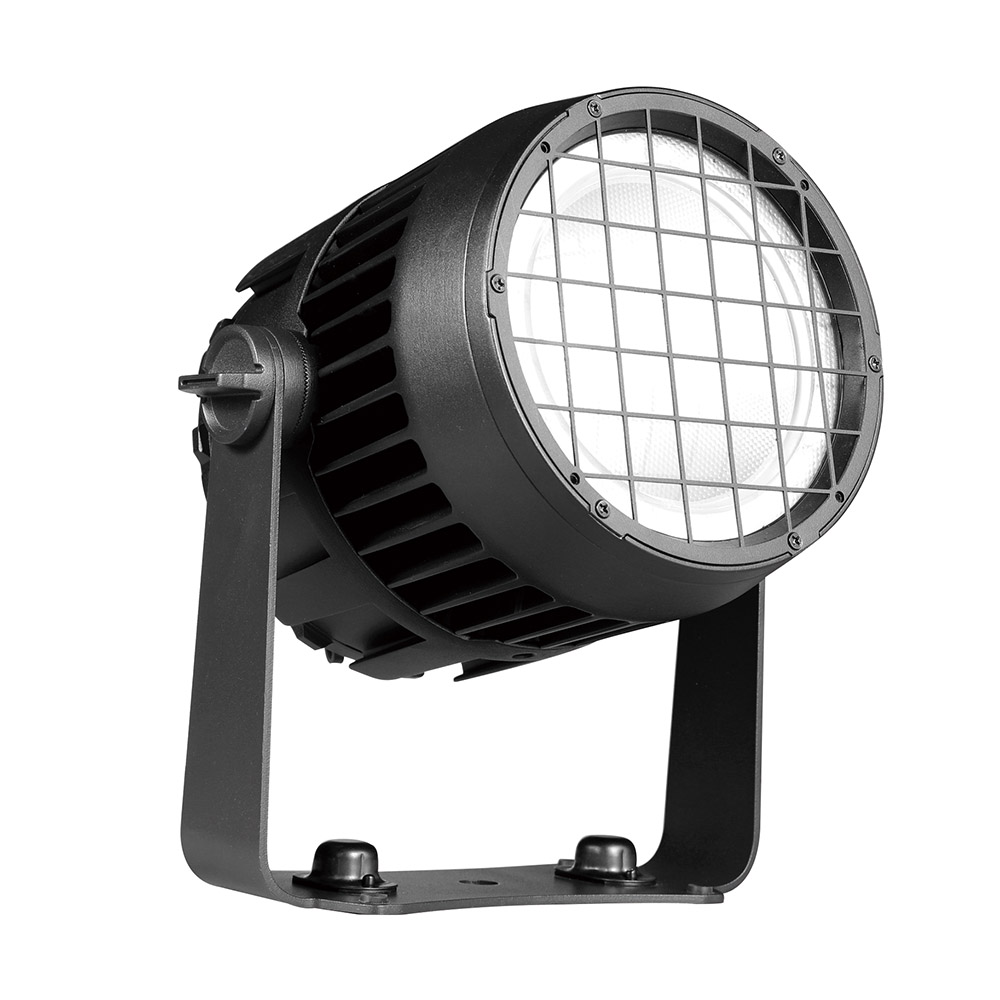
One Colorful Light example illustrates the difference between source labeling and electrical consumption. The 600W RGBALC IP65 Blinder Par Can is marketed under a 600W source configuration, while its current technical table lists a maximum input power of 400W. That specification should be checked against the actual delivered unit rather than treated as a universal figure for all LED blinders. Buyers should ask an electrical specialist to compare real circuit requirements for their exact legacy and proposed replacement units.
Dimming Curves and Warm-Looking Transitions
The way an audience blinder fades can be a central artistic requirement, particularly in theatres and performance venues. Halogen sources respond to changes in filament temperature, while LEDs respond to electronic driver and control settings. A fixture may provide linear, square or other dimming options, but a named curve does not prove that it accurately reproduces the tungsten aesthetic. A useful test includes low-light steps, blackouts, sustained cues and transitions between white and colored output.
If several units are being replaced as one group, compare their fade consistency rather than testing only a single light at full output. Observe whether any fixture steps, changes its apparent white color or responds differently at the bottom of the dimming range. Where a production uses timecode, inspect the timing against the rest of the lighting system. Record the approved control personality and values in the show file so the desired appearance can be reproduced.
LED Color Mixing and the Audience-Facing Effect
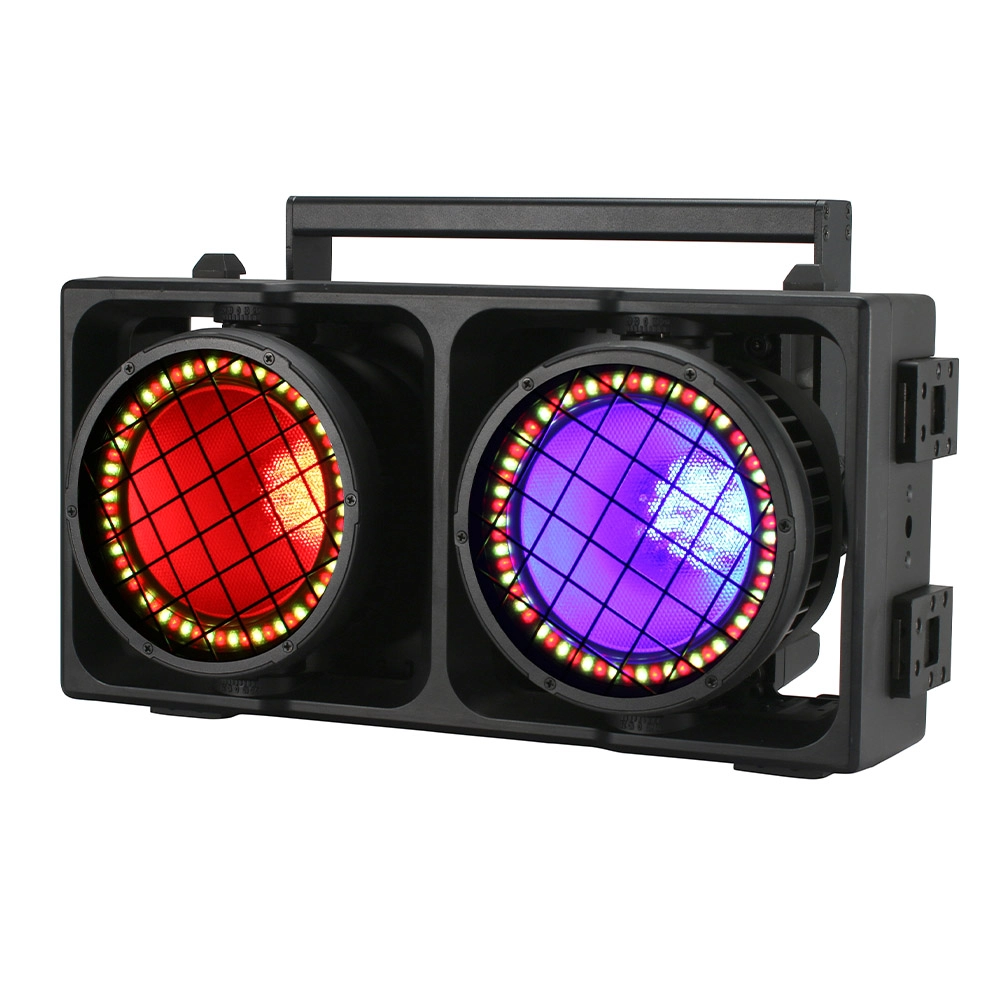
Some LED blinders provide more than one color channel, allowing effects that are not possible with an unchanged single-color halogen source. RGBW and manufacturer-designated RGBALC engines can enable various colored looks, but they do not automatically provide a verified color-rendering index or matching white tone. Optical distribution and fixture placement can also change how a color appears to audiences and cameras. Compare the actual products under the same conditions when color consistency is an important requirement.
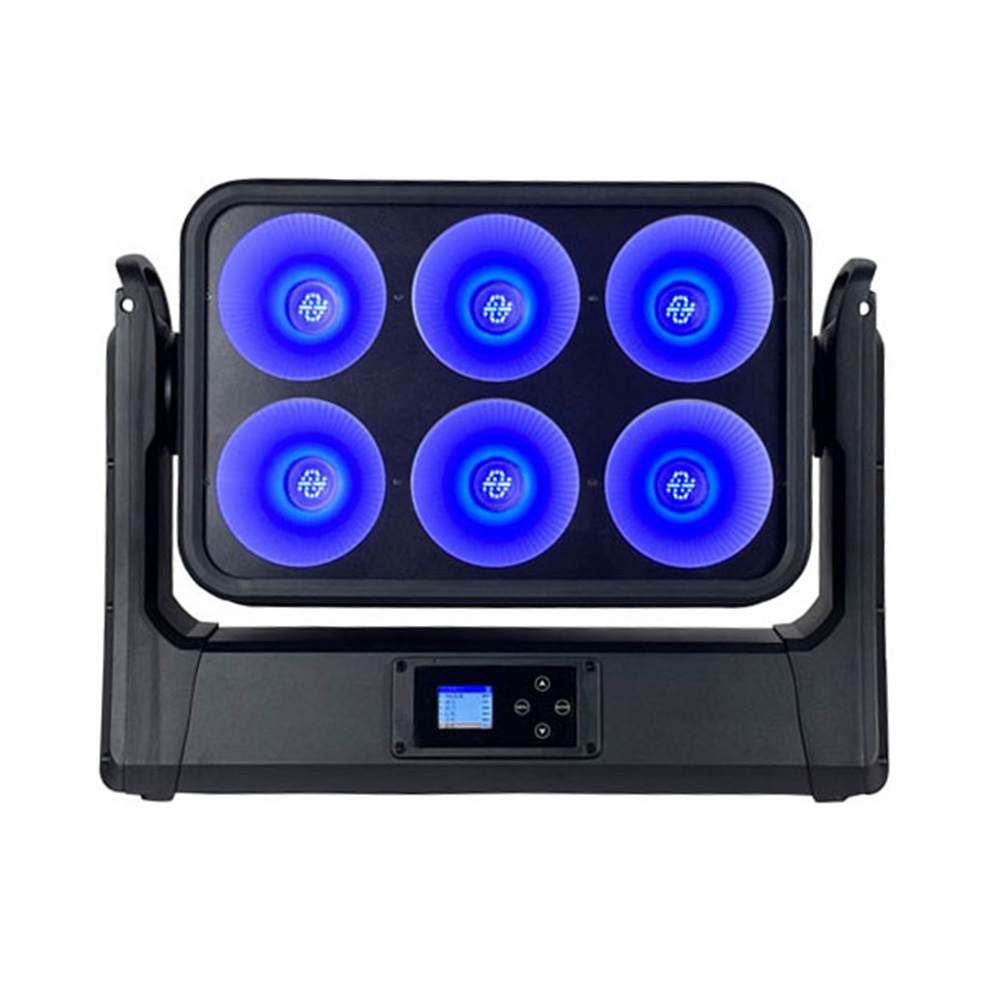
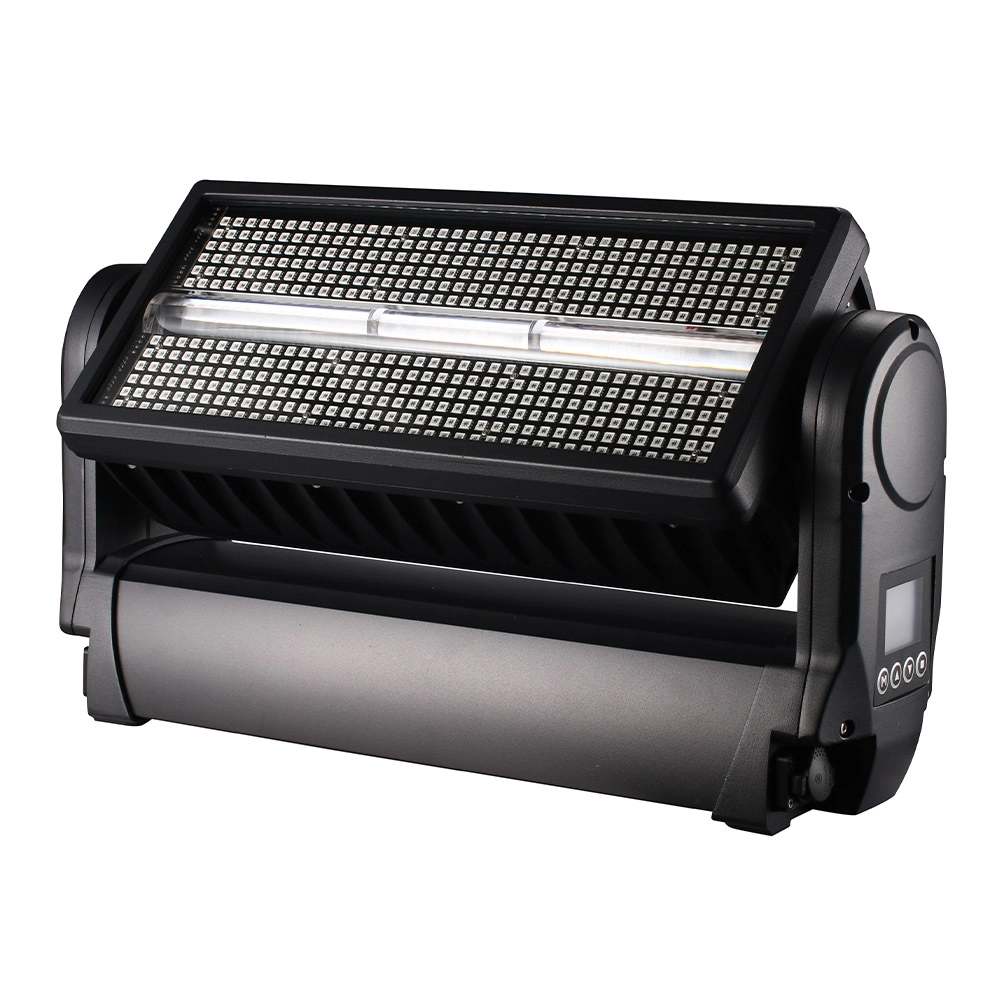
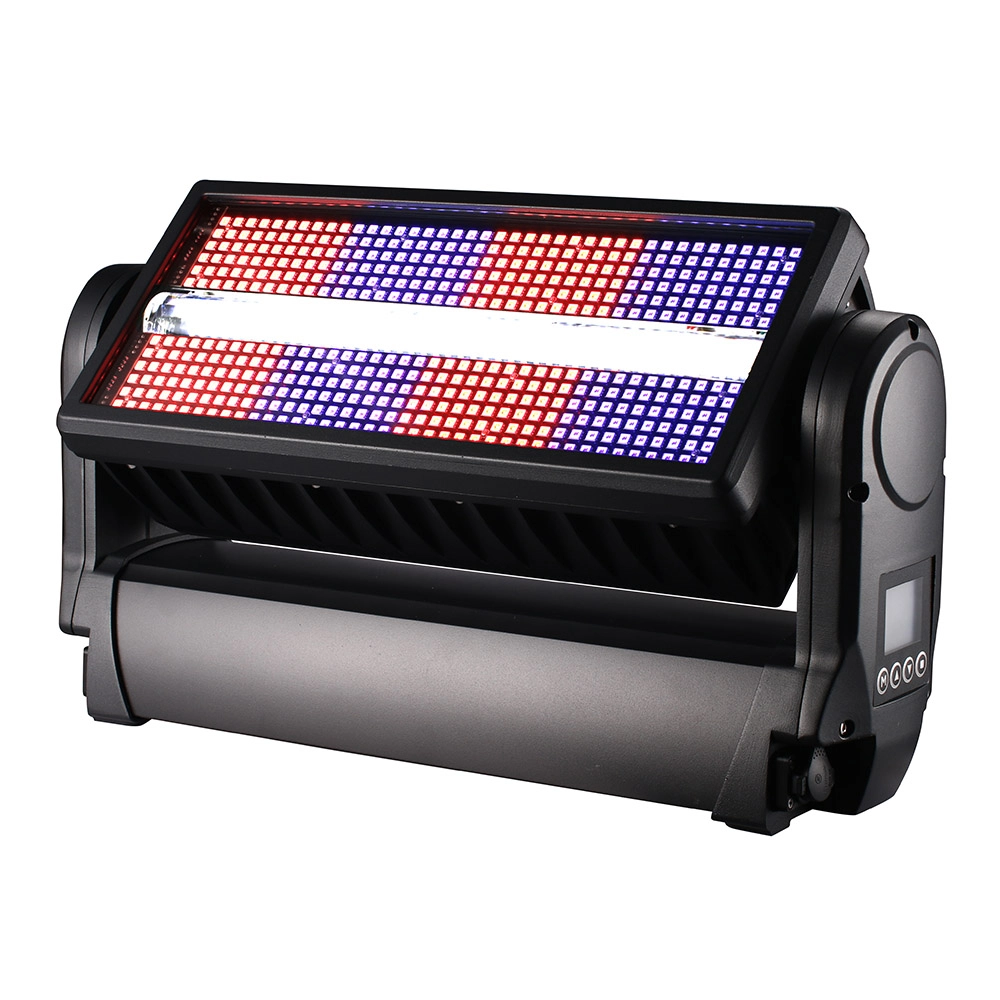
The Colorful Light 6×200W RGBW IP65 Moving Head Blinder combines multiple RGBW sources with directional movement. This gives a production different programming possibilities from a traditional fixed-source halogen unit. However, additional colors and movement also introduce control and rigging requirements that must be planned. The effect is only a practical advantage when those features fit the intended cues and the crew can operate them reliably.
Camera Flicker, Shutter Settings and Recorded Performances
LED dimming and electronic flash effects can interact with camera shutter speed, frame rate and recording settings. A published PWM frequency does not on its own establish that a fixture will be flicker-free for all broadcast or high-speed cameras. Halogen fixtures also need camera assessment because abrupt output changes and exposure can affect the recorded scene. Use the actual cameras and show settings to compare both light-source approaches before approving a substitution.
Start with steady output, then test fades, saturated colors, and the kinds of programmed accents that will appear in the performance. Examine the footage for banding, exposure changes and inconsistent behavior across units. If the LED fixture offers different refresh or dimming modes, adjust them only according to its model-specific instructions. The technical crew should document tested settings alongside the relevant console patch.
Outdoor Ratings and Installation Conditions
Traditional and LED blinder fixtures vary in their protection against dust, moisture and other environmental exposure. An IP65 listing describes a defined enclosure protection level when it applies to the complete assembly, not blanket approval for all conditions. Outdoor use therefore requires review of connectors, cables, seals, rigging orientation and operating-temperature limitations as well as the lighting effect itself. The same checks are necessary when replacing older fixtures, because an upgrade in light source does not automatically solve every environmental risk.
The Colorful Light 6×200W Moving Head Blinder and 600W RGBALC Blinder Par Can are currently listed as IP65 in their respective product data. Buyers should ask for model-specific enclosure documentation and the current manual before committing to an exposed outdoor installation. A temporary festival may also require different safety and weather procedures from an indoor theatre or a permanent outdoor installation. Avoid assuming that the IP classification alone establishes suitability for immersion or intense weather events.
Heat Management and Maintenance Workflows
Halogen fixtures release substantial heat associated with their light source and may require lamp-specific servicing. LED fixtures have different thermal behavior but still contain drivers, power supplies and sometimes cooling fans that may need inspection. The assembled LED light is not maintenance-free merely because its source has a long nominal rating. Actual service needs depend on operating environment, run time, physical handling and the manufacturer's instructions.
Rental companies should compare how quickly the units can be inspected, cleaned, serviced and returned to inventory between events. A compact product may save handling effort in one rig but require different spare parts and service training from a legacy design. Check the availability of replacement components and the service conditions offered for the actual order. Total operational value depends on these practical factors as well as electricity use.
DMX512, RDM and Effects Programming
Control flexibility can be a benefit of an LED replacement when a production needs individual colors, detailed dimming or multi-cell effects. However, not every LED blinder provides the same DMX personalities, and RDM support can differ by model. A simple halogen blinder on a dimmer may fit an existing workflow with relatively little programming complexity. The correct comparison includes required control hardware, patch effort, technician training and the effect that will actually be used.
The current backend specification for Colorful Light's 6×200W RGBW IP65 Moving Head Blinder lists DMX512/RDM and 21, 25 and 49 channel modes. The product also lists a 200-degree tilt range that must be included in movement clearance checks. More channels can be useful when a designer needs detailed control, but they also consume patch space. Ask for the approved DMX chart and test the fixture with the actual show controller.
Safety, Glare and Audience Comfort
High-output audience-facing lighting requires deliberate review of glare, exposure, placement and the frequency and timing of visual effects. Both LED and halogen products can create intense light, and the label blinder should not be treated as permission to aim uncontrolled output at people. Lighting designers should account for venue safety requirements and participants who may be sensitive to bright or flashing illumination. Whenever possible, program the least intrusive effect that still meets the artistic intention.
Moving or colored LED fixtures add possibilities that can also increase complexity. A cue that looks acceptable in an empty rehearsal room may appear different when the venue is full and cameras are operating. Confirm the effect under representative conditions and give show-control staff clear operating boundaries. The selection of fixture technology does not replace responsible design and event safety procedures.
Two Current Colorful Light LED Blinder Examples
The 6×200W RGBW IP65 Moving Head Blinder uses six COB LED sources and offers movement and multiple DMX channel modes. Its current specification lists 1200W power consumption and a separate 1500W rating, which should not be combined into one electrical figure. This product is relevant when a production specifically needs a moving, color-capable blinder rather than a fixed halogen-style layout. Its physical size and mounting requirements must still be assessed for each rig.
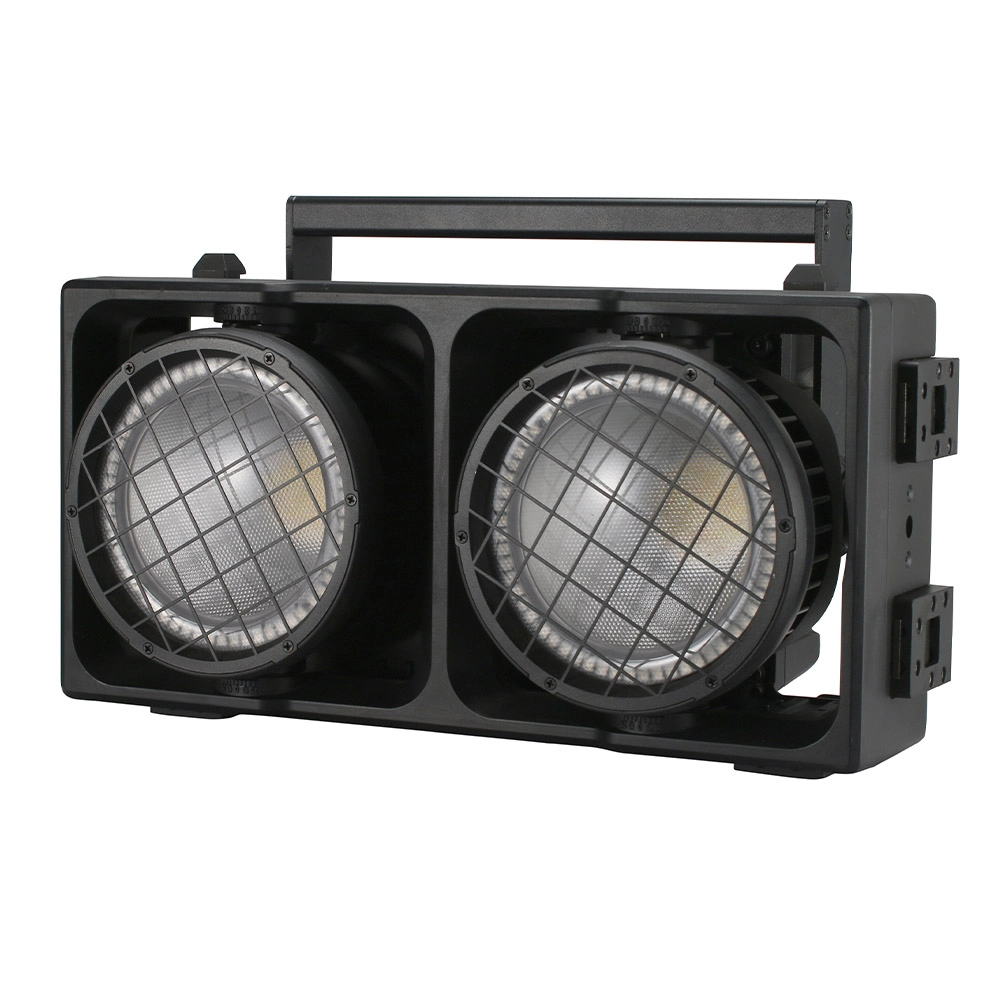
The 600W RGBALC IP65 Blinder Par Can illustrates a compact static design with separate color functions and DMX512/RDM control. Its detailed specification lists 400W maximum power input, a figure distinct from the marketed source configuration. It may be worth comparing when the show wants a static LED alternative, but no universal savings percentage follows from that specification alone. Obtain the exact halogen fixture data and comparable photometric information before calculating the total system difference.
How to Compare Purchase Price, Operating Cost and Payback
LED-versus-halogen procurement decisions should use a whole-project cost view rather than one lamp-price or energy-saving claim. Gather the capital cost, actual electrical load, operating hours, maintenance work, replacement parts, available power infrastructure and expected service requirements for the competing options. Convert the verified load and run-time data into energy cost using the site's actual electricity tariff. Keep assumptions explicit so buyers can see which parts of the decision are measured and which are estimates.
Payback time is a result of the project assumptions, not a fixed number that can be promised for every venue. A lightly used theatre and a touring rental company may experience very different costs and service patterns. Camera compatibility, control requirements and the ability to achieve the desired lighting effect should also be part of the approval decision. A lower theoretical energy cost is not useful if the replacement cannot reproduce the production's essential cues.
B2B Buyer Checklist Before Switching
Start with the installed halogen fixture model, its actual lamp and power configuration, usage schedule and the visual results that must be preserved. Give potential LED suppliers the venue geometry, control system, mounting arrangement, exposure conditions and required number of units. Ask each supplier to demonstrate the effect under comparable conditions using identifiable equipment. This makes it easier to evaluate visual performance, integration effort and service needs without relying on generic claims.
Request the actual LED fixture's current manual, verified power data, control chart, photometric information when available, mounting instructions and appropriate ingress-protection documentation. Confirm which accessories and optional features are included in the proposed quotation. Ensure the production and purchasing teams agree on the acceptance test before approving a fleet-wide replacement. A sample or small pilot can reveal incompatibilities before a larger order is placed.
Conclusion: Compare Real Models and Real Cues
LED blinders offer additional control and color possibilities, while halogen blinders retain a visual and workflow character some productions still value. There is no meaningful universal savings percentage or guaranteed camera performance that applies to every replacement. Compare actual fixtures using whole-unit electrical figures, representative fades, the real control system and the venue's conditions. For broader audience-blinder selection principles, consult the Audience Blinder Technical Guide, and review the Concert and Theater Blinder Lighting Guide for cue-design context.
For the two verified models discussed above, see the 600W RGBALC IP65 Blinder Par Can and the 6×200W RGBW IP65 Moving Head Blinder. These product links provide current catalog references rather than a complete replacement engineering specification. Check their technical tables and current manuals before finalizing quantities or circuit plans. Share the actual venue brief through the Colorful Light contact page when requesting a model-specific quotation.
LED vs Halogen Blinder FAQs
Do LED blinders always consume less power than halogen blinders?
Not a guaranteed amount. Compare verified whole-fixture electrical input and equivalent required lighting output for the exact models. Drivers, fans and other electronics also contribute to LED fixture consumption. Calculate operating cost using realistic hours and local energy prices.
Can LED blinder lights match the warm fade of a halogen blinder?
Some LED fixtures offer color and dimming behavior intended to emulate tungsten, but results depend on source, driver and firmware. Compare the actual fade, color change and cue timing on a sample. Do not assume every LED blinder reproduces the same tungsten behavior.
Does high PWM frequency guarantee flicker-free audience lighting on camera?
No. Actual camera frame rate and shutter behavior can interact with LED driving, dimming and color settings. Test the intended camera and fixture modes across the real cue range before approval. A single PWM specification does not guarantee every recording condition.
How should a buyer compare LED and halogen blinder maintenance?
Compare lamp and component replacement, cleaning, cooling, transport handling, service access and spare-part availability using the exact products. LED lights still contain electronics and sometimes fans requiring attention. A nominal LED-source lifespan is not a guarantee for the entire assembled fixture.
Can an IP65 LED blinder be used outdoors without other weather precautions?
Not automatically. Verify that the whole supplied fixture has the appropriate ingress protection and that cables, connectors, rigging and operating limits are suitable. IP65 does not indicate immersion resistance or unrestricted storm exposure. Apply the venue's safety plan and the model-specific installation instructions.
Which Colorful Light LED blinders can be considered for a professional venue?
Current catalog examples include the 6x200W RGBW IP65 Moving Head Blinder and the 600W RGBALC IP65 Blinder Par Can. Their controls, form factors and electrical values differ. Review the exact technical tables, optical data and show requirements rather than choosing by model name alone.
How should ROI or payback be estimated for LED blinder replacement?
Use actual purchase prices, verified fixture consumption, operating hours, energy tariff, service and replacement costs, and any infrastructure or programming changes. Compare the same required visual result where practical. Payback depends on the project and cannot be promised as one universal number.
◼
Product Recommendations
You May Also Like

◼
Get in Touch
Get Started with Stage Lighting Project
Want to transform your stage or venue with Colorful Light?
Explore our solutions and let us create a memorable lighting experience for your event.
Colorful Light is a professional LED stage lighting manufacturer that provides dynamic and reliable lighting solutions to customers worldwide.
© 2026 Colorful Light. All Rights Reserved.

Facebook
Instagram
LinkedIn
YouTube
Tik Tok